1068
1068
 Request Call Back
 Contact
 1068
1068
Probiotics for Kids: Benefits, Safety, and Uses
Published on: Mar 20, 2026

TABLE OF CONTENTS
It is surprising how common digestive problems are for kids. Nearly four out of ten children deal with some kind of digestive issue while growing up. Sometimes it’s just a bit of discomfort, but other times it sticks around and makes life harder. If you are a parent, you might be looking for gentle ways to help. That is why more families are trying probiotics to support their kids’ digestion and help them feel better overall.
Probiotics consist of beneficial bacteria that improve digestion and strengthen immune function. The popularity of these helpful microorganisms continues to grow.
This blog covers essential information parents need about children's probiotics (their benefits, safety guidelines and how they can support your child's health naturally and effectively).
Why Gut Health Matters in Childhood
Your child's gut does more than just digest food. The gut microbiome (trillions of bacteria living in their digestive system) actually shapes how your child grows and feels every day.
The first three years of life represent a critical developmental window where the gut microbiome adapts and responds most easily. What happens during these early years builds the foundation for lifelong health.
The gut-brain connection matters by a lot. The gut produces about 90% of the "feel good" chemical serotonin, not the brain. This explains how gut health affects children's mood, focus, and sleep patterns.
Studies have connected early gut microbiome patterns with many attributes. They are:
Brain development and behaviour regulation
Immune system maturation
Nutrient absorption for proper growth
Children with healthier gut bacteria show better emotional control.
Emerging research suggests the gut microbiome may influence brain development and mood regulation, though scientists are still studying these complex relationships. Probiotics are not a treatment for autism or anxiety.
Quality probiotics help maintain this delicate balance in kids, especially after antibiotics that can disrupt the gut environment. Your investment in your child's gut health today creates a foundation for their current wellbeing and future health.
Top Uses of Probiotics for Children
Studies show several health conditions in children that respond well to probiotics. The key is matching the right bacterial strain to each condition.
Preventing antibiotic-associated diarrhoea is one of the best-proven uses of probiotics for kids. Research shows that Lacticaseibacillus rhamnosus GG and Saccharomyces boulardii can cut the risk from 28.5% to 11.9%. One in seven cases of antibiotic-related diarrhoea can be prevented when kids take probiotics.
Treating acute gastroenteritis has strong scientific backing. Kids who took L. rhamnosus GG saw their diarrhoea shorten by about a day compared to placebos. S. boulardii works well with oral rehydration therapy too.
Probiotics can also help with:
Prevention of respiratory infections
Eczema management and prevention
Oral health improvement
Not all probiotics deliver the same results. L. reuteri might help with colic but may not do much for IBS symptoms. Make sure you pick probiotics backed by science (based on your child's needs).
How to Use Probiotics Safely and Effectively
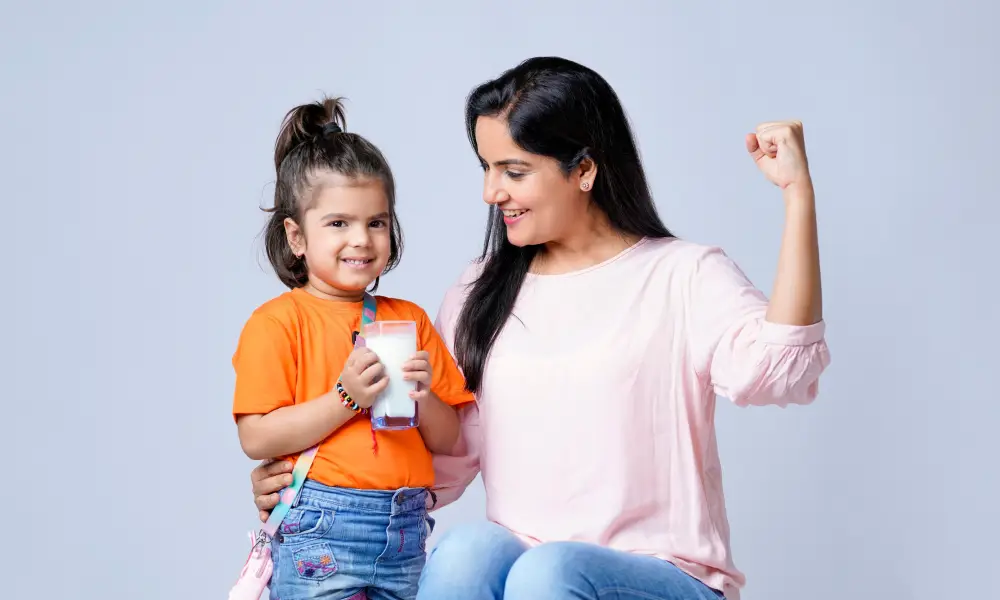
Your child will adapt best to probiotics when you add them gradually to their routine. The key is to start slowly and watch for any side effects like gas, bloating or changes in bowel movements.
Evaluating effectiveness: Probiotics need at least four weeks to work. That particular strain probably won't help with continued use if you see no improvement after this time.
Safety considerations: Probiotics are generally safe for healthy children, but some groups need extra caution:
Children under 1 year (wait until after the first birthday)
Those with weakened immune systems
Premature babies or seriously ill infants
Children with central venous catheters or ports
Those undergoing chemotherapy or recently had surgery
Probiotics are not recommended for premature infants, immunocompromised children, or children with serious underlying conditions without specific medical guidance. Always consult a paediatrician before giving probiotics to any child under 12 months.
Working with doctors: Your child's doctor should be consulted before starting probiotics, especially if:
Your child takes medications
Digestive symptoms worsen despite probiotics
They experience poor weight gain
After antibiotics: Antibiotics can quickly eliminate beneficial bacteria you are adding, so you might want to wait until the antibiotic course is complete. However, if your child has experienced antibiotic-associated diarrhoea before taking probiotics during antibiotic treatment may help prevent it from happening again.
Conclusion
A healthy gut sets up your child for lifelong wellness. Probiotics are a great way to support this vital part of their development. This is especially true in the early years while their microbiome develops.
Picking the right probiotic strain matters. Some bacteria help stop diarrhoea during antibiotic treatment. Others can reduce colic symptoms or strengthen immunity. Parents should select specific strains that match their child's needs instead of random probiotic supplements.
Safety should come first when adding these beneficial bacteria. Most kids handle probiotics well, but starting slowly works best. Families with children who have weak immune systems or serious medical conditions should get their doctor's approval before trying supplements.
Probiotics do not replace good nutrition or medical care. All the same, they can help support your child's digestive system, immunity, and emotional health. Research on childhood probiotics keeps advancing and gives parents more tools to help their children grow strong in their early years.
FAQs
What are probiotics and how do they help children?
Probiotics are live beneficial microorganisms that work to support your child's digestive health. These friendly bacteria create balance in your child's gut microbiome. They crowd out harmful bacteria, make the gut lining stronger, produce antimicrobial compounds, and help absorb nutrients better.
Are probiotics safe for kids?
Yes! Most healthy children can safely take probiotics. Some groups need extra care: premature babies, children with weak immune systems, those with central venous catheters, cardiac valvular disease, or short-gut syndrome. Research shows that children handle probiotics well, with fewer side effects.
At what age can children take probiotics?
Most children should wait until after their first birthday. Parents should talk to their paediatrician about giving probiotics to babies under 12 months. Babies naturally get probiotics through breast milk.
What are the benefits of probiotics for children?
The advantages include:
Better digestion and nutrient absorption
Less colic in breastfed babies
Better immune function
Less diarrhoea from antibiotics
Possible decrease in allergies and eczema
Potential improvements in mood and behaviour
Can probiotics help with diarrhoea or constipation in kids?
Probiotics can reduce how often and how long diarrhoea lasts. Lacticaseibacillus rhamnosus GG and Saccharomyces boulardii lower the risk of antibiotic-related diarrhoea by a lot.
Do probiotics boost immunity in children?
They sure do! Probiotics work with your child's gut bacteria and immune cells to boost overall immune function. They help produce more IgA and might reduce how often kids get sick with respiratory infections in daycare.
Are there any side effects of probiotics in kids?
Side effects rarely occur but might include temporary gas, bloating, or constipation as the gut adjusts. These issues usually go away quickly. Starting with small doses and slowly increasing them helps avoid any discomfort.
Should probiotics be given daily to children?
Your child needs consistent probiotic intake to make a real difference. Daily doses help good bacteria thrive in your child's gut. Taking supplements just once or twice a month won't create any real changes.
The benefits usually show up after 2-3 weeks of regular use. Your child needs to keep taking them to maintain these positive effects. Not every child needs daily supplements though. Kids with balanced diets might do fine with less frequent doses. Children taking antibiotics or those with digestive problems often need daily probiotic support.
What is the best time to give probiotics to kids?
Probiotics work best when given at breakfast time. Your child's body can use these good bacteria throughout the day when taken with morning meals. These helpful bacteria merge better with your child's digestive system right before meals.
Hot foods or drinks can kill these helpful microorganisms, so keep them separate. Each product comes with its own timing guidelines. The package instructions will help you get the best results.
Are probiotic foods better than probiotic supplements for children?
Probiotic foods pack more benefits than just good bacteria. Kids eat yoghurt more than any other probiotic food. These foods are a great way to get vital nutrients and probiotics together. Dairy options provide calcium and Vitamin D, plus prebiotics that help gut bacteria grow.
Kid-friendly choices include:
Plain yoghurt with live cultures
Kefir smoothies
Mild fermented vegetables
Cottage cheese