1068
1068
 Request Call Back
 Contact
 1068
1068
High ESR in Females: Symptoms, Causes and Treatment
Published on: Mar 18, 2026
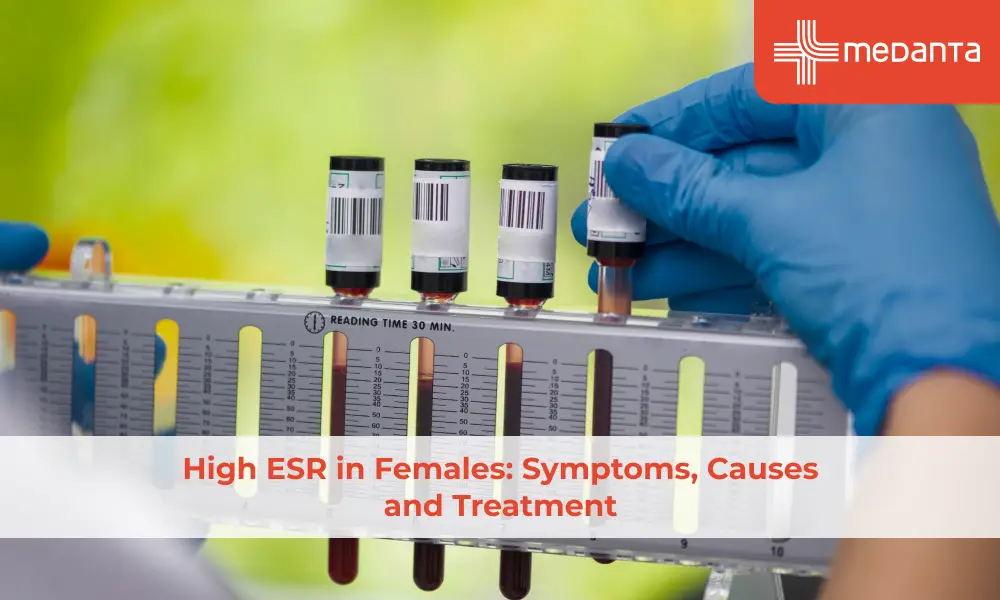
TABLE OF CONTENTS
- What Is ESR (Erythrocyte Sedimentation Rate)?
- Understanding Normal vs High ESR Levels in Females
- Common Causes of High ESR in Women
- Symptoms That May Accompany Elevated ESR
- How ESR Helps in Diagnosing Inflammation or Disease
- Blood Tests and Other Diagnostic Tools Among Other Tests
- Lifestyle and Home Measures to Manage Inflammation
- Medical Treatment Options for Conditions Causing High ESR
- ESR in Chronic Conditions: Rheumatologic and Autoimmune Disorders
- When to Consult a Doctor About High ESR Levels
- FAQs
ESR measurement tracks how quickly red blood cells settle in a test tube. When ESR levels go over 20 mm/hr in adult women, it can point to inflammation or hidden health problems. Women generally have higher ESR values due to hormonal fluctuations, menstrual cycles or pregnancy. However in certain conditions elevated ESR may indicate autoimmune disorders or chronic infections.
In this article, we will discuss high ESR symptoms women experience and why ESR is high in female bodies. Readers will also learn about the ESR normal range in female age groups and find high ESR causes and treatment approaches.
What Is ESR (Erythrocyte Sedimentation Rate)?
The erythrocyte sedimentation rate measures how fast red blood cells settle at the bottom of a test tube within one hour. Doctors rely on this blood test to detect inflammation inside the body. At the time inflammation occurs, certain proteins cause red blood cells to clump together and form stacks like coins. These clumps are heavier than single cells, so they sink faster. The speed at which cells settle indicates the level of inflammation.
Understanding Normal vs High ESR Levels in Females
Normal ESR tend to differ depending on a person's age. These are:
Normal values in females younger than 50: below 20 mm/hr
Normal values in females older than 50: below 30 mm/hr.
ESR can reach 40-50 mm/hr in pregnancy due to physiological changes.
Female individuals exhibit higher ESR values than males. Advancing age is also associated with increased ESR.
Common Causes of High ESR in Women
Several conditions trigger elevated readings in women. These are:
Infections: Urinary tract infections, tuberculosis and pneumonia increase inflammation.
Autoimmune disorders: Rheumatoid arthritis, lupus and multiple sclerosis.
Anaemia: Iron deficiency from menstruation or pregnancy raises ESR.
Pregnancy: Hormonal changes lift readings, especially in the third trimester.
Chronic conditions: Kidney disease and inflammatory bowel disease cause persistent elevation.
Symptoms That May Accompany Elevated ESR
High ESR symptoms are:
Persistent fatigue
Unexplained fever
Joint pain and stiffness
Muscle aches
Unexplained weight loss
Abdominal discomfort
Skin rashes.
How ESR Helps in Diagnosing Inflammation or Disease
ESR works as a screening method than a definitive diagnostic marker. The test shows that inflammation exists but doesn't identify exact diseases. Doctors combine ESR results with symptoms, physical examinations, and medical history to identify possible conditions. Rising ESR values suggest disease progression, while declining numbers often reflect treatment success.
Blood Tests and Other Diagnostic Tools Among Other Tests
Doctors perform additional tests to pinpoint the exact cause of inflammation. They are:
C reactive protein (CRP) detects inflammation faster & precisely than ESR
Complete blood counts (CBC) find infections or anaemia
Autoimmune markers (like rheumatoid factor or ANA antibodies) help detect specific disorders
Imaging studies (X-rays, MRIs or ultrasounds) locate inflammation sites.
Lifestyle and Home Measures to Manage Inflammation
Certain lifestyle measures can help manage inflammation naturally. These are:
Anti inflammatory foods reduce ESR. Include omega-3-rich fish, berries, leafy greens, turmeric, and ginger in your diet.
Regular moderate exercise (like walking or yoga) helps improve circulation.
Getting enough sleep and resting well gives your body a chance to heal and manage immune functions.
Managing stress with techniques like meditation reduces stress hormones that add to inflammation.
Drinking enough water helps the body heal better.
Medical Treatment Options for Conditions Causing High ESR
Treatment targets why it happens. Your doctor might prescribe:
Antibiotics to clear bacterial infections.
NSAIDs to reduce pain and swelling.
Corticosteroids for severe inflammation.
Disease modifying drugs to control autoimmune conditions.
ESR in Chronic Conditions: Rheumatologic and Autoimmune Disorders
Many chronic conditions like rheumatoid arthritis, lupus, and polymyalgia rheumatica show persistently elevated ESR readings. Regular ESR monitoring tracks disease activity and treatment responses in these conditions.
When to Consult a Doctor About High ESR Levels
Consult a doctor if you have:
Persistent fever
Unexplained fatigue
Joint swelling
Unintentional weight loss
Rashes
Swollen lymph nodes
ESR values exceeding 50 mm/hr.
FAQs
Can stress or fatigue raise ESR?
Yes chronic stress does increase ESR readings. Long-term psychological strain increases cortisol and triggers low-grade systemic inflammation. Sleep deprivation and prolonged stress both contribute to higher readings. Temporary elevations usually resolve once stressors diminish though.
2.What is considered a high ESR level in females?
Readings above 20 mm/hr in women under 50 indicate elevation. Levels exceeding 30 mm/hr concern doctors in women over 50. These thresholds matter because they help separate normal inflammatory responses from health issues (that need investigation).
Does high ESR indicate a specific disease?
An elevated ESR doesn't pinpoint any single condition. The test reveals that inflammation exists but lacks specificity. Doctors must combine ESR results with symptoms and medical history. Additional tests help identify mechanisms. Some patients with serious conditions show normal readings. Others have mild elevations from benign causes.
How is ESR measured?
Doctors use the Westergren method. They place blood samples in special tubes. Red blood cells settle in one hour. The rate is measured in millimetres per hour. The faster the cells sink, the higher the reading and inflammation level.
What are common symptoms associated with high ESR?
If you have high ESR you might experience:
Persistent fatigue
Unexplained fever
Joint pain
Muscle aches
Unintended weight loss
Headaches.
Can infections cause high ESR in women?
Bacterial, viral, and fungal infections trigger immune responses that raise readings by a lot. Common culprits include urinary tract infections, tuberculosis, pneumonia, bronchitis, tonsillitis, sinusitis, and pelvic inflammatory disease. Your body fights infection and inflammation increases. This causes cells to settle faster during testing. These elevations subside once the infection clears or receives treatment.
Are there natural ways to lower ESR?
Yes there are. You can try:
Anti inflammatory foods like fish, berries, leafy greens, turmeric, and ginger help when you add them to meals.
Regular physical activity, adequate hydration, stress management through meditation and quality sleep support an inflammatory balance.
All the same, treating the root conditions remains key alongside these lifestyle adjustments.
Does high ESR always need medical treatment?
Temporary rises from acute infections or injuries often resolve on their own. Elevated readings without accompanying symptoms may not raise much concern. However high values that persist or readings accompanied by symptoms require medical intervention.
How often should ESR be checked in females?
Testing frequency depends on condition severity and your doctor's recommendations. Some situations require regular monitoring. Others need only periodic checks.
Which conditions are often diagnosed using ESR?
The following conditions rely on ESR for diagnosis and monitoring:
Giant cell arteritis
Polymyalgia rheumatica
Rheumatoid arthritis
Inflammatory bowel disease
Systemic lupus erythematosus.
The test also helps detect serious infections, anaemias, and severe inflammation.