1068
1068
 Request Call Back
 Contact
 1068
1068
Black Blood During Periods: Causes & When to Worry
Published on: Mar 18, 2026
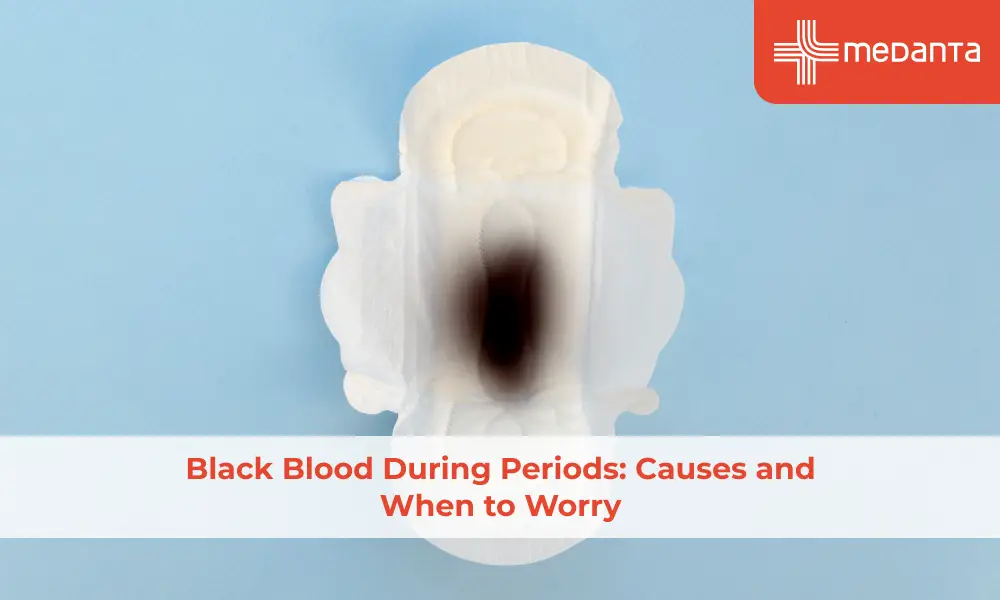
TABLE OF CONTENTS
- Understanding Menstrual Blood Colour Changes
- Why Period Blood Can Appear Black
- Common Causes of Black Blood During Periods
- When Black Blood Is a Normal Part of Menstruation
- At What Point to Seek Medical Advice
- Home Care and Monitoring During Periods
- Preventive Measures for Healthy Menstrual Cycles
- FAQs
Black blood during periods can feel unsettling, yet it's a normal occurrence that many women experience. Black period blood appears when menstrual blood takes longer to exit the body and oxidises over time. This dark colour shows up at the beginning or end of a cycle, when the flow is lighter. Black blood in a period is harmless, but understanding the period blood's colour meaning helps distinguish routine changes from potential concerns. This comprehensive article explores the various reasons for black blood during periods, when it's normal and what symptoms warrant medical evaluation.
Understanding Menstrual Blood Colour Changes
Period blood changes shade throughout a cycle. These changes show how fast it flows & when it occurs. Haemoglobin found in red blood cells, moves oxygen through the body. When the iron in haemoglobin picks up oxygen, blood gets its red colour. Period blood is bright red when it leaves the body quickly.
The menstrual cycle presents a colour progression. At the start blood may look pink as it mixes with vaginal discharge & dilutes the red hue. Mid-cycle brings the brightest crimson shade and signals peak flow. Blood darkens to scarlet, then burgundy, as flow slows. Blood appears brown or black in the final days. This spectrum reflects how long blood remains in the uterus before leaving.
Most people lose between 2-3 tablespoons of blood throughout a whole period, though studies show the average sits around 45ml. What comes out isn't blood alone but has uterine tissue and vaginal secretions. The colour changes and depends on the way these components combine and how long it takes them to exit the body.
Why Period Blood Can Appear Black
Period blood turns black due to oxidation. When blood stays in the uterus or vagina longer than normal, it reacts with oxygen molecules. This triggers a chemical reaction that darkens its appearance.
This process occurs when the flow is slower. At the beginning of the cycle, the uterine lining sheds, which gives the blood enough time to oxidise before leaving the body. The remaining blood trickles out slowly and darkens along the way as periods wind down. Sometimes leftover blood from a previous cycle stays behind and emerges the following month, already oxidised and black.
Common Causes of Black Blood During Periods
Role of Oxidation and Old Blood
Blood darkens when it sits in the uterus longer before exiting. This delayed discharge happens most at cycle start, when the body clears remnants from the previous period, or at the end, when the final traces leave slowly. Some blood stays behind after one cycle and emerges the next month, already oxidised and appearing black.
Hormonal Imbalances
Stress, thyroid disorders and contraceptive changes can delay menstrual flow. Blood gets more time to darken. PCOS creates irregular cycles where the uterine lining builds up over extended periods, then sheds as thick, dark material when periods arrive. Birth control methods often slow the flow, especially when you have just started using them or when switching devices.
Medical Conditions
Several conditions cause black period blood. These are:
Cervical stenosis narrows the cervix and traps blood that darkens before release.
Pelvic inflammatory disease produces dark discharge with a foul smell.
Endometriosis may cause darker bleeding when tissue implants on the cervix or vagina.
Retained menses from vaginal blockages or fibroids can all delay blood exit.
Postpartum bleeding may appear black as the body heals.
Miscarriage sometimes presents as dark spotting.
Retained foreign objects like tampons delay blood exit.
When Black Blood Is a Normal Part of Menstruation
Black blood appears during lighter flow days without other symptoms. There's no cause for worry if periods follow a predictable pattern and black blood shows up only at the beginning or end.
At What Point to Seek Medical Advice
Most cases of black blood in the period resolve without intervention. But consult a doctor if you experience:
Black discharge lasting beyond three days after your usual cycle ends.
Foul-smelling or fishy odour accompanying the discharge.
Severe cramps
Sudden changes in cycle length, frequency or flow patterns
Heavy bleeding with large clots.
Home Care and Monitoring During Periods

An app or journal helps you track your cycle and identify patterns in flow, colour, and symptoms. This record proves valuable during medical consultations. Change sanitary products regularly to maintain proper hygiene. Avoid douching or harsh vaginal cleansers since the vagina self-cleans.
Preventive Measures for Healthy Menstrual Cycles
Here are some preventive measures:
Hydration promotes smoother blood flow and reduces clot formation.
A balanced diet enriched in iron and vitamin C supports menstrual health and prevents anaemia.
Exercising regularly helps the body release endorphins that can reduce period pain.
Using relaxation methods can help manage stress & keep hormones balanced.
To detect issues early and support reproductive health, plan regular visits to a gynaecologist.
FAQs
Why does menstrual blood sometimes appear black?
Menstrual blood turns black due to oxidation. Blood that stays in the uterus longer before exiting reacts with oxygen and darkens its colour from red to brown to black.
Is black blood during periods normal?
Yes black blood during periods is normal at the start or end of your cycle. The uterus expels old blood that causes this dark colour.
What medical conditions can cause black menstrual blood?
Several conditions may cause black blood. These include:
Endometritis
PCOS
Pelvic inflammatory disease
STIs like gonorrhoea or chlamydia.
Cervical stenosis.
Can hormonal imbalances lead to black blood during periods?
Hormonal imbalances from stress, thyroid issues, or birth control changes can cause menstrual irregularities. These imbalances prolong menstruation and cause blood stagnation in the uterus.
How long is it normal for black blood to appear during a period?
Black discharge that lasts more than three days requires medical attention.
When should I see a doctor for black period blood?
Consult a doctor if you notice:
Foul-smelling discharge
Itching or burning
Heavy bleeding with large clots
Black bleeding after menopause.
Can lifestyle or diet affect menstrual blood colour?
Your daily habits shape how your body functions and this includes your menstrual cycle. These include:
A balanced diet rich in iron and vitamin C supports menstrual health and may affect flow patterns. This can affect hormone levels and how the uterine lining builds and sheds.
Stress and inadequate sleep can alter cycle regularity that affects blood appearance.
Extreme exercise can do the same.
Blood flows more smoothly when you stay hydrated. Dehydration can thicken it & make the colour seem darker.
Are there home remedies to regulate menstrual flow?
Folate increases progesterone production and helps regulate periods. You can find it in leafy greens and legumes. Consistent sleep schedules support hormonal balance naturally. Managing stress through relaxation techniques does the same. Regular moderate exercise promotes circulation without overtaxing the body. But if irregularities are due to medical conditions consult your doctor.
Can birth control affect menstrual blood colour?
Birth control pills often create a thinner uterine lining that sloughs off more slowly. This causes blood to appear darker or black. Emergency contraceptive pills may trigger temporary changes as the lining sheds unevenly. Black blood can result from this. These effects typically settle within one or two cycles.
Is black blood during periods a sign of infection?
Sometimes. Infections like pelvic inflammatory disease can produce black discharge. STIs such as gonorrhoea and chlamydia can do the same. These often come with a foul smell, vaginal itching or pelvic pain. Black discharge alone doesn't confirm infection.