1068
1068
 Request Call Back
 Contact
 1068
1068
Why Are My Hands Tingling? Understanding Nerve-Related Causes
Published on: Mar 26, 2026
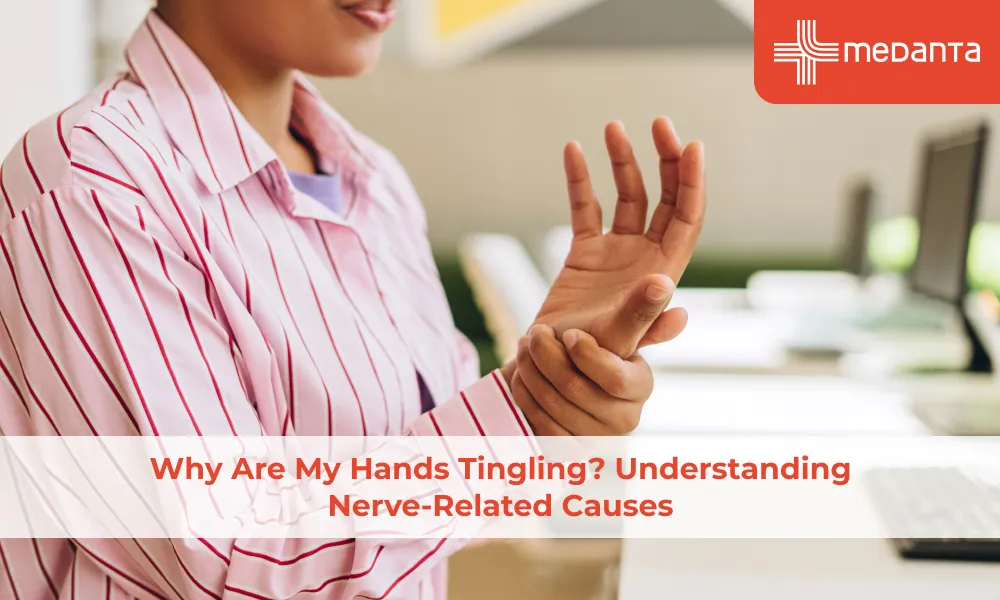
TABLE OF CONTENTS
Millions of people worldwide deal with hand numbness that can signal various conditions. Doctors call it paraesthesia a strange sensation that makes your hands feel tingly, prickly, or like they have fallen asleep. Your hands get these symptoms mostly because of nerve compression or damage. When nerves get squeezed or injured they can't send proper signals and cause a "pins and needles" feeling.
Your tingling hands could point to several health problems. The biggest cause is carpal tunnel syndrome, which affects the nerves running through your wrist. Other medical conditions like diabetes, multiple sclerosis, or shingles might cause hand tingling.
This article explains the reasons for hand tingling, its symptoms, and treatment options.
Important: Sudden tingling or numbness in one hand or one side of your body, especially with weakness, speech difficulty, or facial drooping, requires immediate emergency care.
What Causes Hands to Tingle?
Your hands might tingle when nerves become irritated, compressed, or damaged. This sensation can last for a short time or persist over time. Body positions that put pressure on nerves or limit blood circulation to the hands can cause temporary tingling. Chronic tingling could point to medical conditions.
Common Nerve Related Causes of Tingling Hands
Nerve compression makes your hands tingle most often. Your median nerve's compression at the wrist leads to carpal tunnel syndrome, which makes your thumb, index, middle finger, and parts of your ring finger tingle. Other nerve related conditions that can cause tingling hands are:
Pinched nerves in your neck (cervical radiculopathy)
Cubital tunnel syndrome
Radial tunnel syndrome
Other Possible Medical Causes of Tingling in Hands
Several conditions beyond nerve compression can make your hands tingle:
Diabetes, especially with uncontrolled blood sugar
Low vitamin levels, mainly B12
Autoimmune conditions like rheumatoid arthritis or multiple sclerosis
Infections including shingles or Lyme disease
Reduced blood flow from atherosclerosis
Symptoms to Watch Along With Tingling Hands
You need immediate medical attention if your tingling comes with:
Pins-and-needles or prickling sensation
Numbness
in fingers or palms
Burning feeling
Sensation of heaviness in the hands
Difficulty performing fine motor tasks
Reduced sensation in the fingers or hands
Diagnosis of Tingling Hands
Doctors start with a complete physical exam to diagnose tingling hands. They will assess your grip strength, reflexes, sensation, and coordination.
Diagnostic tests are:
Phalen's test to check for numbness & tingling in the hand's median nerve distribution
Tinel's sign to check for carpal tunnel syndrome.
Blood tests to spot vitamin deficiencies, diabetes, thyroid issues, or infections
Nerve conduction studies to detect the electrical activity of nerves and muscles
Imaging tests such as X-rays, MRIs or ultrasounds to detect underlying joint, bone, and muscle issues.
Treatment Options for Tingling Hands

Your treatment plan depends on why it happens.
Non-surgical treatments are:
Wrist splinting, especially at night
Corticosteroid injections to reduce inflammation
Physical therapy exercises
Vitamin supplements (for deficiencies).
Surgery: In severe cases, doctors might suggest surgical intervention like carpal tunnel release - cutting a ligament to take pressure off the median nerve
Lifestyle Tips to Prevent Tingling in Hands
You can reduce nerve pressure by several approaches. These are:
Taking breaks during repetitive tasks
Keeping good posture especially when using digital devices
Using ergonomic tools like supportive keyboards
Perform hand and wrist stretches a few times a day to improve circulation and flexibility
Managing conditions like diabetes through diet and exercise.
When to Consult a Doctor for Tingling Hands
Contact your doctor if you have:
Difficulty gripping objects
Swelling in your fingers or hands
Colour changes in your hands
Numbness spreading through your body
Other concerning symptoms like confusion, dizziness or slurred speech.
Conclusion
People can experience hand tingling every day due to improper body positioning. A harmless sensation can sometimes turn into a serious health issue that needs proper care. Nerve compression is the most common cause of this feeling. The right treatment depends on what's causing your tingling sensation. Many people find relief through simple solutions like wrist splints, anti-inflammatory shots, or physical therapy exercises.
Tingling hands with confusion, weakness, or spreading numbness need immediate medical care. Most cases get better with proper treatment, but quick action prevents further problems. Your hands are crucial to daily life, so it's smart to check out unusual sensations quickly to keep them working well.
FAQs
What causes tingling hands or fingers?
Your hands might tingle because of pinched nerves, poor blood flow, or pressure on nerves. The three main nerves that run through your hands can get squeezed anywhere between your neck and fingertips. Some health issues like diabetes, autoimmune disorders, and certain medicines can also make your hands tingle.
Can nerve damage lead to tingling in the hands?
Yes nerve damage, called peripheral neuropathy, often creates tingling sensations. Injuries, infections, kidney disease, thyroid issues, or substance misuse can damage these nerves.
How is tingling in the hands diagnosed?
Your doctor will first look at your medical history & do a physical exam. They might then run nerve conduction studies, electromyography, blood tests to check vitamin levels, and take X-rays or MRIs to find what's causing the problem.
What are the treatments for tingling hands?
The treatment you need depends on what's causing the tingling. Treatments are:
Wrist splints (especially at night)
Anti-inflammatory medications
Corticosteroid injections
Physical therapy
Vitamin supplements
Surgery for severe cases like advanced carpal tunnel syndrome
Can carpal tunnel syndrome cause tingling in the hands?
Carpal tunnel syndrome is one of the most common reasons for tingling hands. This happens when the median nerve gets squeezed at your wrist. This makes your thumb, index, middle finger, and part of your ring finger tingle and go numb
Are there home remedies for tingling hands?
You can try the following home remedies:
Massage with essential oils like lavender or cypress might help.
Warm compresses can boost blood flow.
Epsom salt soaks often provide relief.
Taking breaks during repetitive tasks and sitting with good posture can also make a difference.
When should I see a doctor for tingling hands?
Get medical help immediately if you feel confused, dizzy, weak, paralysed or if the numbness spreads faster. You should also see your doctor if the tingling lasts more than a few hours or keeps interrupting your sleep or daily life.
Can vitamin deficiencies cause tingling in the hands?
Not having enough vitamin B, especially B12, can damage your nerves and cause tingling. Low thiamine (B1) levels can trigger similar symptoms through conditions like beriberi.