1068
1068
 Request Call Back
 Contact
 1068
1068
What Are Antibiotics and How Do They Work?
Published on: Mar 03, 2026

TABLE OF CONTENTS
- What Are Antibiotics and How Do They Work?
- Common Conditions That Do Not Require Antibiotics
- The Dangers of Antibiotic Overuse and Misuse
- Antibiotic Resistance: Causes, Consequences and Prevention
- Signs You Actually Need an Antibiotic
- Alternatives to Antibiotics for Mild Infections
- How to Take Antibiotics Safely If Prescribed
- Global Efforts to Promote Responsible Antibiotic Use
- Tips for Patients: Asking the Right Questions About Antibiotics
- Conclusion
- FAQs
Penicillin, the first antibiotic that scientists found, transformed medicine in the 1920s and has saved countless lives. These powerful medications treat specific bacterial infections and can save lives when used properly but they don't work for all illnesses.
Antibiotics disrupt bacteria's essential structures and processes within their cells. They either kill bacteria (bactericidal) or stop their growth (bacteriostatic). The drugs work well against bacterial infections but viruses don't respond to them at all. This difference matters because unnecessary prescriptions lead to antibiotic resistance - a serious problem where germs no longer respond to drugs designed to kill them.
This article explains what antibiotics are, their purpose, function and proper usage.
What Are Antibiotics and How Do They Work?
Antibiotics are powerful medicines that help curb bacterial infections. They work by killing bacteria or stopping their reproduction. These medications target bacterial infections through specific methods. They destroy vital bacterial components like cell walls or DNA and prevent bacteria from producing proteins needed to multiply. The medications start working right after you take them, but you might not feel better for 2-3 days.
Common Conditions That Do Not Require Antibiotics
Several common illnesses don't need antibiotics. These include:
Viral infections (colds, flu, most bronchitis cases)
Most sore throats (except strep throat)
Most sinus infections
The Dangers of Antibiotic Overuse and Misuse
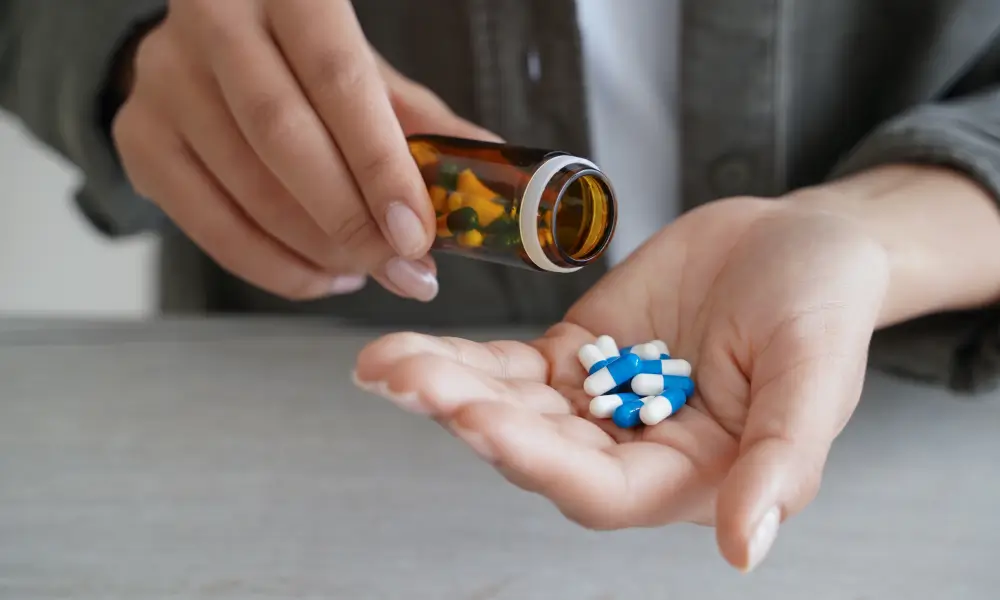
Taking antibiotics when you don't need them or not finishing your dose creates big health problems. This misuse results in antimicrobial resistance and damages helpful gut bacteria. If you are overusing antibiotics they can harm the good bacteria in your gut leading to stomach troubles and a weaker immune system. As resistant infections spread we have fewer effective ways to fight them.
Antibiotic Resistance: Causes, Consequences and Prevention
Bacteria naturally develop resistance, but antibiotic overuse speeds up this process. These bacteria build defences against medications, which makes infections harder to treat. We can prevent resistance through proper prescriptions, complete treatment courses and avoiding antibiotics for viral infections.
The proper use of these medicines will give them the best chance to work when you truly need them.
Signs You Actually Need an Antibiotic
Your body sends clear signals when bacterial infections need treatment. These are:
High fever (it is not going away even after taking fever medicines)
Worsening of symptoms
Your blood reports telling you that you have bacterial presence
Sore throat or persistent cough
Flank pain or burning sensation while urinating (urinary tract infections)
Infected wounds (warm, swollen, or having pus discharge)
Alternatives to Antibiotics for Mild Infections
Mild illnesses respond well to these options:
Saline nasal sprays help with nasal congestion and mild sinus problems
Probiotics support gut health and help prevent certain infections
Honey soothes sore throats effectively
Your body naturally fights off many infections within 10-14 days with rest
How to Take Antibiotics Safely If Prescribed
Do | Don't |
Take exactly as prescribed | Skip doses |
Complete the full course | Save antibiotics for later use |
Ask about potential side effects | Take antibiotics prescribed for someone else |
Tell your doctor about all medications you take | Request antibiotics for viral infections |
Dispose of unused medicine properly | Stop early, even if feeling better |
Note that antibiotics cannot help with viral illnesses, including colds, flu, and most sore throats.
Global Efforts to Promote Responsible Antibiotic Use
Global efforts to fight antibiotic resistance have gained momentum through coordinated international action. The World Health Assembly adopted a global action plan on antimicrobial resistance in 2015, outlining five objectives:
Improving awareness through education
Strengthening knowledge via surveillance
Reducing infections through prevention
Optimising antimicrobial use
Increasing investment in new medicines
The WHO collaborates with three other international organisations over the last several years—the Food and Agriculture Organisation, the World Organisation for Animal Health, and the UN Environment Programme. These organisations make up what experts call the Quadripartite. This partnership promotes a unified "One Health" approach that spans human, animal, and environmental sectors.
Antimicrobial stewardship programmes help optimise antibiotic selection and dosage. These programmes ensure the best clinical outcomes while minimising resistance. They work with public education initiatives to create the foundations of global resistance prevention efforts.
Tips for Patients: Asking the Right Questions About Antibiotics
Good communication with your doctor helps you get the right treatment for infections. Smart questions about antibiotics protect your health and keep these medications working in the future.
Ask these five essential questions before you take an antibiotic prescription:
Do I really need an antibiotic? Note that antibiotics work against bacteria, not viruses that cause colds, flu, or most sore throats.
What's my diagnosis? The specific cause of your illness sets the path to proper treatment.
What are the risks of taking this antibiotic? Every medication can cause side effects from mild to severe.
Are there simpler, safer options? Rest and plenty of fluids might be all you need.
How do I safely take this medication? Stick to the directions exactly, even when you feel better.
Patients who grasp their treatment plan see better results. Clear communication leads to safer antibiotic use and better care overall.
Conclusion
Antibiotics definitely rank among medicine's greatest discoveries. These medications have saved countless lives since penicillin emerged in the 1920s. In spite of that, both doctors and patients share major responsibilities when using these powerful drugs.
Everyone needs to know how antibiotics work and their limitations. These medicines attack bacteria effectively but can't fight viruses that cause common colds, flu, and most sore throats.
Antibiotic resistance has become a real threat to modern medicine. Each unneeded prescription weakens our ability to fight future infections.
These drugs work best when we use them carefully instead of seeing them as default solutions. Many infections clear up naturally with rest and time. You do not need to take antibiotics until your doctor asks you to take them ensuring that these medicines stay effective for tomorrow's critical needs.
FAQs
When should I take antibiotics?
Antibiotics work only for bacterial pneumonia that doctors diagnose. These include:
Bacterial pneumonia
Streptococcal throat infections
Only Severe sinus infections lasting over 10 days
Certain skin infections
Can antibiotics cure viral infections like the common cold or flu?
Absolutely not. Antibiotics only work against bacteria. These medicines can't fight viruses that cause colds, flu, COVID-19, and most cases of bronchitis. Using antibiotics for viral infections wastes medicine and creates risk without any benefit.
What happens if I misuse antibiotics?
Bacteria learn to defeat these medicines through misuse. It also causes digestive issues, allergic reactions or fungal infections. Your body's helpful gut bacteria die off from improper use which might lead to long-term digestive problems.
How does antibiotic resistance develop?
Some bacteria survive exposure to these drugs by changing their structure or developing protective features (thus developing natural defences against antibiotics). These survivors multiply and create resistant populations. This process speeds up with overuse and misuse.
Are there side effects of taking antibiotics unnecessarily?
Definitely, unnecessary antibiotics can trigger diarrhoea, nausea, rashes or allergic reactions. The medicine also disrupts your gut microbiome's balance, which affects immune function and digestion over time.
Can I stop antibiotics early if I feel better?
New evidence challenges what we used to believe about antibiotic treatment duration. You should talk to your doctor before stopping any treatment early. Just because you feel better doesn't mean all bacteria are gone. Following the prescribed treatment remains crucial, though studies increasingly suggest shorter durations could help prevent resistance and reduce side effects.
How can I know if I really need an antibiotic?
Doctors use blood tests to identify bacterial infections that need antibiotics. Each one of us should be aware of one point (antibiotics only fight bacterial infections - not viral ones). Your cold and most upper respiratory infections come from viruses, so antibiotics won't help.
What are safe alternatives to antibiotics for minor infections?
You have several options:
Saline nasal sprays to clear sinus congestion
Honey to soothe sore throats
Probiotics to support digestive health
Zinc and vitamin C supplements to boost immune function
How do doctors decide whether to prescribe antibiotics?
Doctors review which bacteria might cause your infection and sometimes request lab tests from blood, urine, or tissue samples. They look at infection severity, your risk factors, and possible side effects.
What global initiatives exist to prevent antibiotic misuse?
The World Health Assembly created a detailed action plan in 2015. This plan tackles awareness, surveillance, infection prevention, better antimicrobial use, and investment in new medicines