1068
1068
 Request Call Back
 Contact
 1068
1068
Is 4D-Phaco Better Than Traditional Cataract Surgery? Expert Insights
Published on: Feb 05, 2026
TABLE OF CONTENTS
- What Makes 4D-Phaco Cataract Surgery Different?
- Comparison of Precision: 4D-Phaco vs Traditional Surgery
- Safety and Accuracy: Expert Opinion
- Visual Outcomes: Which Surgery Offers Better Results?
- Recovery Time: 4D-Phaco vs Traditional Cataract Surgery.
- Risk of Complications in Both Procedures
- Patient Comfort and Surgical Experience
- Cost Comparison: Traditional vs 4D-Phaco Cataract Surgery
- Expert Recommendations: Who Should Choose 4D-Phaco?
- FAQs
In traditional cataract surgery eye doctors made a small incision (6-7mm) in the eye. They used ultrasound to break up the cloudy lens. This method worked well, but how precise it was depended a lot on the doctor's hand control and eyesight. The development of cataract surgery keeps advancing with breakthroughs that improve precision and patient outcomes. Phacoemulsification has remained the preferred technique for 30 years. 4D-Phaco is the newest breakthrough in this field & builds on traditional phacoemulsification techniques.
Recovery happens quickly after traditional phacoemulsification. Most patients see better within 24-48 hours, though full healing takes 3 to 4 weeks.
Recovery timelines vary based on individual health factors, particularly in patients with diabetes or pre-existing eye conditions.
What Makes 4D-Phaco Cataract Surgery Different?
4D-Phaco technology changes conventional cataract surgery through advanced automation and immediate monitoring systems. Traditional methods can't match 4D-Phaco's smart pressure control, heat tracking and self-running fluid management systems. This sophisticated approach works in multiple dimensions of surgical control and creates an environment where systems monitor & adjust every aspect of the procedure. The 4D approach removes the nucleus twice as fast as older techniques, which cuts the total surgery time in half. Recent advances have made traditional phacoemulsification even better. Micro-incisional cataract surgery (MICS) and microphakonit now allow for even smaller incisions.
Comparison of Precision: 4D-Phaco vs Traditional Surgery
4D-Phaco delivers substantially better precision than conventional phacoemulsification. The technology creates more exact and repeatable capsulotomies with improved centration and circularity. Studies show that this advanced procedure has lower IOL power calculation errors than traditional manual procedures. 4D-Phaco's automated systems monitor and maintain ideal pressure during the entire surgery. This safeguards delicate eye parts as the surgeon removes the cataract.
Safety and Accuracy: Expert Opinion
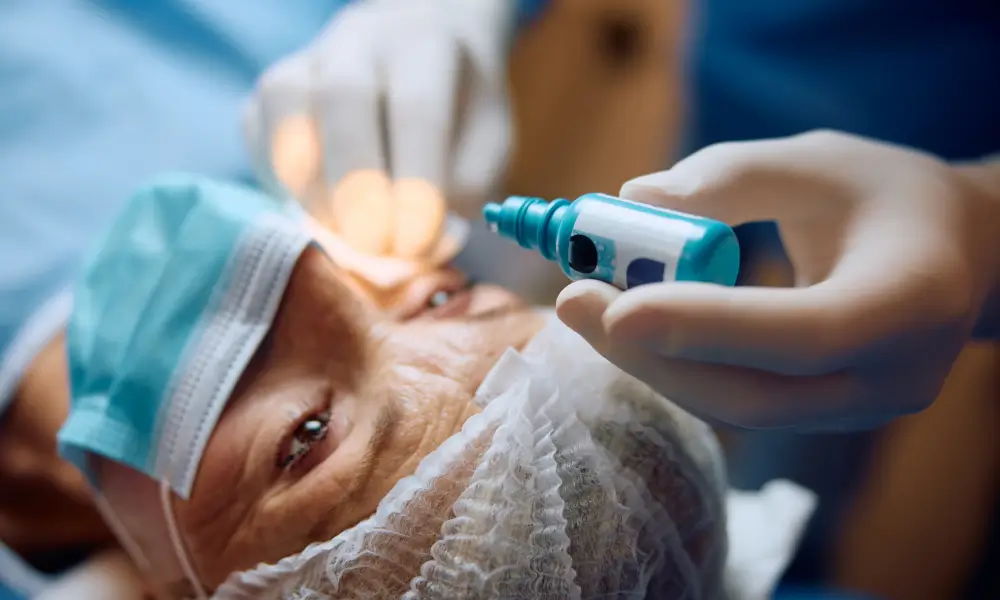
Experts agree that 4D-Phaco surgery shows improved safety profiles. The technology applies less energy to the eye during surgery, leading to less heat generation and minimal damage to surrounding tissues. The system keeps checking pressure continuously to prevent dangerous increases, while heat sensors keep tissue at safe temperatures during the whole process. The automated fluid management system regulates eye pressure during surgery according to real time situations.
Visual Outcomes: Which Surgery Offers Better Results?
Research comparing visual outcomes reveals slight advantages with newer technologies. These appear as:
4D Phaco procedures showed more patients achieving 20/20 or better uncorrected distance visual acuity at 1 year than traditional cataract surgery.
The odds ratio for 20/40 or better uncorrected distance visual acuity at 1-year post-surgery was higher with laser-assisted techniques.
Patients with uncorrected distance visual acuity of 20/40 or better in the laser group compared to the traditional cataract surgery group.
Recovery Time: 4D-Phaco vs Traditional Cataract Surgery.
Patients recover faster after 4D-Phaco surgery than with conventional techniques. Precise control systems help position intraocular lenses better, which leads to improved eyesight and less need for glasses after surgery. Most patients can return to office work within 2-3 days after 4D-Phaco surgery, though demanding jobs might need 1-2 weeks. Traditional cataract surgery usually needs a recovery period of one week or longer.
Risk of Complications in Both Procedures
Laser-assisted procedures show much better results and have a lower complications risk than traditional cataract surgery. In traditional cataract surgery, results depend on the surgeon's hand skills. This can increase the risk of unequal lens breaking, strain on the cornea's tissues or swelling in complex situations. 4D-Phaco surgery lowers these risks through real-time imaging, depth awareness, and continuous eye monitoring. This leads to fewer issues like swelling in the cornea, capsule damage, or slow vision recovery in high-risk or advanced cataracts.
Patient Comfort and Surgical Experience
4D-Phaco technology keeps intraocular pressure steady during surgery, making patients more comfortable. This matters because high intraocular pressure leads to more inflammation in the anterior segment. Patients who undergo surgery with near physiological pressure have less corneal oedema and lower anterior segment inflammation afterwards. The hybrid tip on 4D-Phaco instruments gives surgeons an extra edge during tough cases, especially with small pupils.
Cost Comparison: Traditional vs 4D-Phaco Cataract Surgery
The price tag varies by region. Indian patients pay ₹20,000 to ₹40,000 per eye for traditional cataract surgery. 4D-Phaco procedures cost more due to cutting-edge imaging technology and high-precision tools The higher upfront costs of advanced technologies could save money in the long run through fewer complications and followup treatments.
Expert Recommendations: Who Should Choose 4D-Phaco?
Specialists point to phacoemulsification for patients who want fast healing, premium lens implantation, and precise refractive outcomes. Traditional methods might work better for very dense cataracts or budget-conscious patients. The core team stresses proper management of preoperative conditions like uveitis or diabetic retinopathy. Each patient responds differently to advanced techniques, so a personal assessment makes all the difference.
FAQs
Is 4D-Phaco better than traditional cataract surgery?
4D-Phaco gives patients several advantages over traditional surgery. This advanced technique delivers better precision, uses less ultrasound energy (41% less than conventional surgeries), and keeps intraocular pressure more stable during the surgery. The 4D approach results in less tissue damage and helps patients recover vision more quickly. Your doctor will determine the best surgery choice based on your eye condition.
What is the primary difference between 4D-Phaco and traditional phaco?
The biggest difference is in the technology and method. Traditional phaco relies on handheld tools & manual techniques. 4D-Phaco uses automated intelligent fluidics control and thermal monitoring systems. The 4D-Phaco procedure takes half the time of conventional surgery. It also needs much smaller incisions.
Does 4D-Phaco reduce the risk of complications?
Yes, research shows 4D-Phaco has fewer complications. The procedure monitors intraocular pressure and regulates incision heat, which leads to very low complication rates. Traditional phaco has a higher risk of damaging endothelial cells.
Which cataract surgery offers faster recovery?
4D-Phaco patients recover faster. They can return to office work within 2-3 days and resume daily activities within 1-2 days. Traditional surgery patients need 2-4 weeks to recover fully and must wait 2-3 weeks before returning to their routine activities.
Is traditional cataract surgery still safe?
Traditional phacoemulsification works well and doctors have used it for decades with great results. It remains the worldwide standard and has an excellent safety record.
Is 4D-Phaco suitable for all cataract patients?
4D-Phaco technology works well for most cataract cases. The advanced approach adapts safely to complex scenarios, including dense nuclear cataracts, shallow anterior chambers, and eyes with existing conditions. Your surgical team will get a full picture of your eye condition before recommending the best treatment approach.
Does 4D-Phaco improve long-term vision quality?
4D-Phaco surgery's precision leads to better eye stability as time passes. This gentle surgical approach keeps eyes healthier & gives better outcomes over time. The technology also allows surgeons to place premium intraocular lenses more accurately, which matters a lot for patients who want to be free from glasses after surgery.
Why do eye surgeons prefer 4D-Phaco?
Surgeons prefer 4D-Phaco because it works so well. The technology creates a repeatable volumetric cutting pattern in just 0.1 seconds. Lab tests show nucleus removal is faster than traditional torsional phaco. The system delivers less energy to the eye and produces less dissipated energy at the incision site. Surgeons also get excellent control of nuclear pieces, and minimal fragments escape into the angles.
Is 4D-Phaco more accurate than manual cataract surgery?
4D-Phaco achieves better accuracy through its special ultrasound technology that creates precise multi-directional tip movements. The system manages fluidics smartly with immediate sensing, which keeps surgery stable. Standard manual techniques can't match this level of precision.
How to choose between 4D-Phaco and traditional cataract surgery?
Several factors affect the choice. 4D-Phaco gives better outcomes for most patients because of its micro-incision design, smoother healing and great compatibility with modern IOL technology. Traditional surgery might work better for very dense cataracts, patients watching their budget, or specific anatomical challenges. A detailed eye examination will show which approach fits your situation best.