1068
1068
 Request Call Back
 Contact
 1068
1068
How to Reduce Chest Fat Naturally: Gender-Specific Tips That Work
Published on: Jan 30, 2026
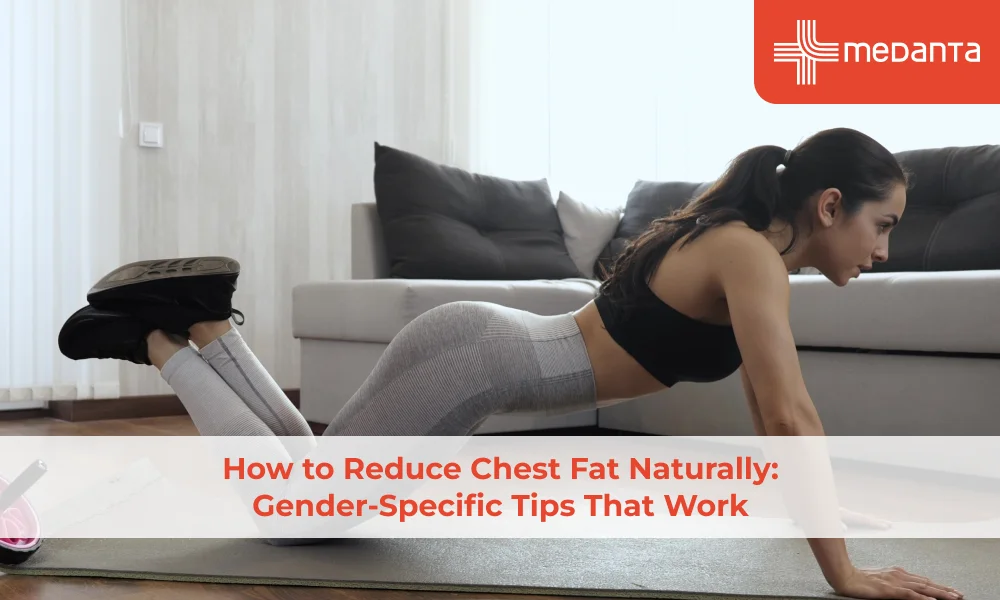
TABLE OF CONTENTS
- Why Chest Fat Accumulates in Men and Women
- Symptoms and Health Risks of Excess Chest Fat
- Natural Ways to Reduce Chest Fat in Men
- Natural Ways to Reduce Chest Fat in Women
- Exercises to Target Chest Fat Effectively
- Dietary Changes to Help Reduce Chest Fat Naturally
- Lifestyle Habits That Support Chest Fat Loss
- When to Ask a Doctor About Excess Chest Fat
- Conclusion
- FAQs
Many people struggle with chest fat. Studies suggest approximately 30% of men will experience some degree of gynecomastia during their lifetime, most commonly during puberty, middle age, or older adulthood. This common body issue affects self-confidence and clothing comfort, leading people to look for workable solutions.
Men and women develop chest fat differently, but natural reduction methods work well for both. People with excess fat rather than glandular tissue can lose chest fat easily. A combination of targeted exercises and dietary changes provides a practical way to reduce chest fat. Hormonal imbalances can disrupt testosterone and oestrogen levels, while others simply want to tone their chest area. Gender specific strategies make the most important difference in achieving results.
This article explains natural chest fat reduction methods through exercise, diet, and lifestyle changes that work for both men and women.
Why Chest Fat Accumulates in Men and Women
Men and women store chest fat in different ways because of their biology. A woman's body carries more fat compared to a man's. This happens because women's bodies need to prepare for pregnancy and breastfeeding. Hormones are vital in this process. Men who have higher testosterone levels store fat around their stomach and chest. Women's oestrogen makes their bodies store fat in the hips, thighs, and breasts.
Men with enlarged breasts might have either:
Gynecomastia: Excess glandular tissue from hormone imbalances
Pseudogynecomastia: Fat buildup without gland involvement
Symptoms and Health Risks of Excess Chest Fat
The health risks go beyond just looks. People with excess chest fat have soft tissue enlargement that can feel tender or hurt when touched. Excess upper body fat is associated with increased cardiovascular risk and insulin resistance. Fat deposits in the upper body also link to insulin resistance, which can lead to type 2 diabetes. These health risks show why losing chest fat is about much more than just looking better.
Natural Ways to Reduce Chest Fat in Men
A successful chest fat reduction plan needs an all-encompassing approach. This includes:
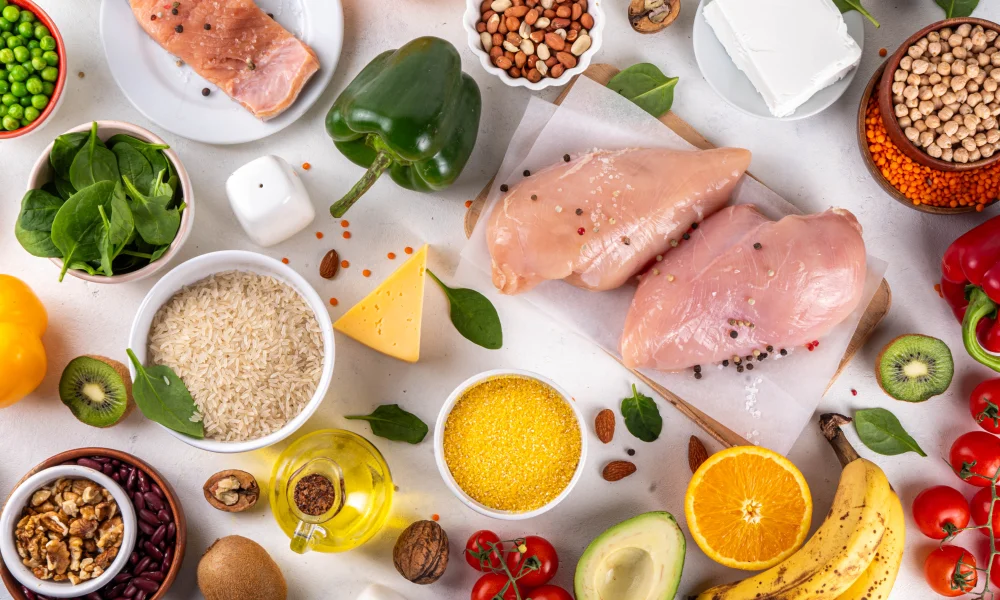
You should consume a calorie-controlled meal including whole foods, lean protein, healthy fats, and complex carbohydrates
Perform regular strength training particularly chest-focused exercises like push-ups and bench presses
Include cardio workouts (such as running, cycling, or skipping) in your exercise regimen
Reduce stress levels as high cortisol levels increase fat accumulation
Natural Ways to Reduce Chest Fat in Women
The best results come from a complete body strategy. You should focus on:
A nutrient rich calorie-low diet that includes fruits, vegetables, lean protein, and whole grains
Regularly do strength training like push-ups, chest presses, and dumbbell flyes
Limit sugary, baked and processed food items
Maintain your sleep quality
Reduce your stress
Drink enough water (6-8 glasses)
Exercises to Target Chest Fat Effectively
The quickest way to see results comes from mixing strength training with cardio. Your strength routine should include:
Push-ups to involve the chest, shoulders and triceps
Bench press with dumbbells or barbells builds upper body strength
Chest flys target chest muscles directly
Dips between chairs or stools create deeper chest muscle involvement
High-intensity interval training (HIIT) works great to burn fat throughout the body. The best results show up with 20-40 minutes of cardio at least 4 times each week.
Dietary Changes to Help Reduce Chest Fat Naturally
The foundation of chest fat reduction lies in creating a calorie deficit. Your daily calorie intake should drop by 500-700 calories to lose about 0.5-1 kg weekly. Individual results vary based on metabolism, activity level, and health status. Consult a dietitian before undertaking a significant calorie deficit. Focus on:
Lean proteins (chicken, fish, tofu) help maintain muscle mass
Fibre-rich vegetables and whole grains keep you feeling full
Healthy fats from avocados and nuts help balance hormones
Stay away from sugary drinks, processed foods, and too much alcohol since they lead to fat storage.
Lifestyle Habits That Support Chest Fat Loss
Your body needs 7-9 hours of sleep each night to prevent hormone problems that increase fat storage. Managing stress through meditation or yoga reduces cortisol levels that would otherwise promote chest fat buildup.
When to Ask a Doctor About Excess Chest Fat
Medical advice becomes important if chest fat stays unchanged despite exercise and diet changes. This becomes more urgent if you notice pain or swelling that might point to gynecomastia. Weight loss usually helps with obesity-related chest fat (pseudogynecomastia), but hormonal gynecomastia might need medical treatment.
Conclusion
Getting rid of chest fat takes patience and dedication - there's no quick fix. Fat storage varies between men and women, so success depends on individual-specific approaches. Men with gynecomastia should get medical checks, while natural methods work well for those with pseudogynecomastia.
Chest fat reduction matters beyond just looks. Upper body fat affects heart health, which makes this experience valuable for overall wellness. Results don't happen overnight, but following these gender-specific strategies consistently brings visible changes. If you're struggling despite trying these methods, you should definitely check with doctors to find out why it happens and explore other treatment options.
FAQs
What causes chest fat in men and women?
Several things can lead to chest fat buildup. About 30% of men develop gynecomastia (enlarged breast tissue) at some point in their lives. The condition happens when testosterone and oestrogen levels become unbalanced. Other common causes are:
Medications like steroids, antidepressants and certain antibiotics.
Health conditions including liver disease, kidney failure, and thyroid disorders.
Obesity that leads to pseudogynecomastia (fat rather than glandular tissue)
Women's chest fat usually comes from their overall body fat percentage, hormone changes, and genetics.
Can chest fat be reduced naturally without surgery?
Yes! Natural methods work well, especially for pseudogynecomastia (fat-based chest enlargement). You can lose 0.5-1kg weekly by cutting 500-700 calories from your daily intake. But if you have true gynecomastia with glandular tissue, you might need medical help when natural methods don't work.
What exercises help target chest fat specifically?
You can't spot-reduce fat, but these exercises will build stronger chest muscles:
Push-ups that work your chest, shoulders and triceps
Bench press with dumbbells or barbells
Chest flys to define your muscles better
Dips between chairs for deeper muscle work
Add 20-40 minutes of cardio at least 4 times a week.
How does diet affect chest fat reduction?
Your diet makes a big difference. Eat whole foods and lots of vegetables. Add lean proteins to keep your muscle mass. Stay away from sugary drinks, processed foods, and too much alcohol. Many people find success with intermittent fasting and eating fewer calories to create their calorie deficit.
Are there gender-specific strategies to lose chest fat?
The physiology of men and women requires different approaches. Women's bodies naturally have higher body fat than men's. The best approach for females focuses on overall weight loss since breast tissue contains both fat and glandular components. Males need to determine whether they have gynecomastia (glandular tissue growth) or pseudo-gynecomastia (fat deposits). Exercise alone cannot eliminate glandular tissue, so men with gynecomastia might need medical evaluation.
Can losing overall body fat help reduce chest fat?
Yes your body reduces fat proportionally from all areas once you create a calorie deficit. The most effective strategy remains total body fat loss. This method works especially well with pseudo-gynecomastia cases that respond well to diet and exercise.
How long does it take to see results from chest fat reduction exercises?
Results become visible after eight to twelve weeks of dedicated effort. Your genetics largely determine the exact timeline. The best results come from training your chest two to three days weekly and allowing 48-hour recovery periods between sessions.
When should I see a doctor about excess chest fat?
Medical advice becomes necessary if:
Fat remains unchanged despite lifestyle changes
You experience pain or tenderness
You notice firm glandular tissue beneath the nipple
You suspect hormonal imbalances