1068
1068
 Request Call Back
 Contact
 1068
1068
Liver Failure Due to Cirrhosis: Symptoms, Treatment & Transplant
Published on: Feb 11, 2026
TABLE OF CONTENTS
- What Is Liver Failure Caused by Cirrhosis?
- How Cirrhosis Progresses to Liver Failure
- Early vs Advanced Symptoms of Liver Failure
- Causes and Risk Factors for Cirrhosis Related Liver Failure
- Diagnosis and Tests for Liver Failure
- Treatment Options for Liver Failure Due to Cirrhosis
- Managing Complications of Advanced Cirrhosis
- When Is a Liver Transplant Needed in Cirrhosis Patients?
- Liver Transplant Evaluation and Eligibility Criteria
- Recovery and Life After Liver Transplant
- Conclusion
- FAQs
Liver cirrhosis causes permanent scarring of the liver from sustained damage and affects lakhs of adults globally. Adults between 45 and 54 years face a higher risk.
Many adults live with liver disease like chronic hepatitis C that could develop into this serious condition. When the liver keeps getting damaged over time, things can get serious fast. Sometimes a transplant is the only way forward. Here, we will walk you through how cirrhosis leads to liver failure, what signs to watch for, what treatments are out there, and when it might be time to think about a transplant.
What Is Liver Failure Caused by Cirrhosis?
Chronic liver disease reaches its final stage with cirrhosis where your liver's function declines (as scar tissue takes over healthy cells). Blood cannot flow properly through a severely scarred liver which leads to portal hypertension. This change marks the point where a damaged but working liver starts to fail.
How Cirrhosis Progresses to Liver Failure
The disease moves through four stages: inflammation, scarring (fibrosis), cirrhosis, and liver failure. You might feel perfectly fine during early "compensated" cirrhosis. The disease advances to "decompensated" cirrhosis and complications signal liver failure. Some stable patients can suddenly get worse - a dangerous condition doctors call acute-on-chronic liver failure.
Early vs Advanced Symptoms of Liver Failure
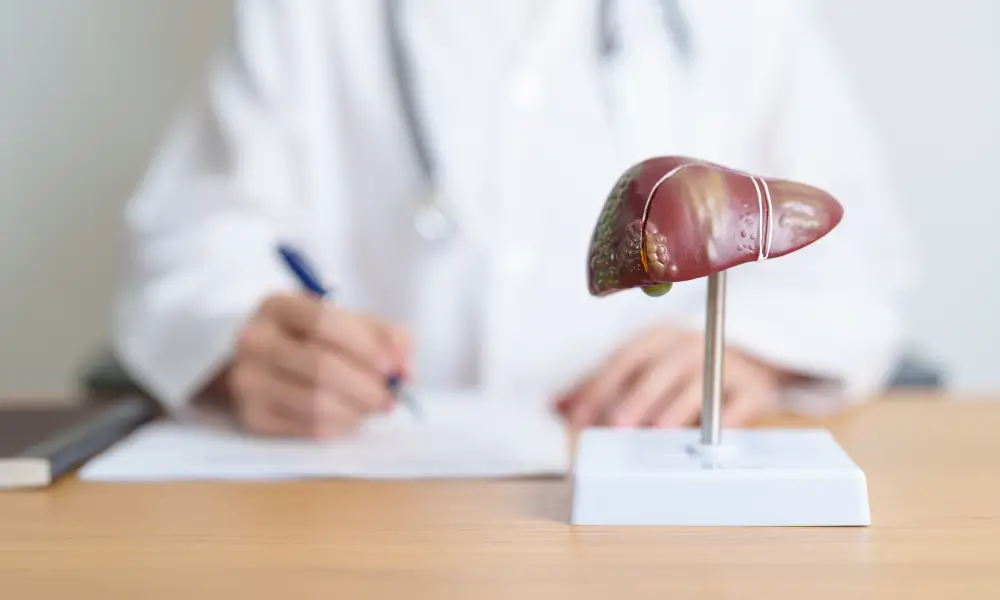
The first warning signs show up as unusual tiredness, poor appetite, nausea and spider-like blood vessels on your skin. More serious problems develop as your liver function gets worse. You might notice yellow skin (jaundice), fluid buildup in your abdomen (ascites), mental confusion, and easy bleeding. These symptoms show your liver can no longer do its vital jobs.
Causes and Risk Factors for Cirrhosis Related Liver Failure
Excessive Alcohol & Fatty liver are the leading cause of cirrhosis. Many diseases can progress into cirrhosis. These are:
Chronic hepatitis infections (B or C)
Metabolic dysfunction-associated steatohepatitis (MASH, previously called NASH)
Autoimmune diseases
Bile duct disorders
Genetic conditions like Wilson's disease
People over 50 face higher risks, especially those who drink heavily or have obesity, diabetes, or metabolic syndrome.
Diagnosis and Tests for Liver Failure
Physical signs like yellowing of the eyes, abdominal swelling, or confusion are key indicators of liver issues.
Diagnostic tests:
Blood tests like liver function tests, serum albumin, and prothrombin time (PT/INR) measure important liver indicators.
Doctors use ultrasound, MRI, and CT scans to view the liver's size, shape, and texture.
Fibrosis measures liver stiffness which shows signs of cirrhosis.
Treatment Options for Liver Failure Due to Cirrhosis
The primary focus of treatment targets the root cause.
Patients with alcohol-related cirrhosis must completely stop drinking.
Antiviral medications can help patients with viral hepatitis.
Diet plays a key role. Your doctor may suggest balanced meals with proper protein (1.2–1.5g/kg/day) and reduced salt.
Managing Complications of Advanced Cirrhosis
Treatment includes:
Beta-blockers to reduce bleeding risk
Laxatives to remove toxins like Amonia
Diuretics to decrease swelling
Antibiotics to prevent infections
When Is a Liver Transplant Needed in Cirrhosis Patients?
Patients need transplantation when their liver failure doesn't respond to other treatments. Signs include repeated complications like ascites, variceal bleeding, hepatic encephalopathy, or a MELD score ≥15.
Liver Transplant Evaluation and Eligibility Criteria
Doctors use laboratory tests, imaging, cardiac assessment, and psychological evaluation to determine eligibility. Not all patients qualify. Severe heart or lung disease, widespread cancer, or ongoing substance abuse might make someone ineligible.
Recovery and Life After Liver Transplant
Patients usually stay in the hospital for 2 weeks after transplant. Full recovery takes 2-3 months, but the long-term outlook is positive. About 85% of patients live at least five years after surgery. Taking immunosuppressant medications becomes a lifelong necessity to prevent organ rejection.
Conclusion
Living with cirrhosis brings serious challenges, but early symptom recognition can make the most important difference. Medical attention should start quickly as inflammation progresses to liver failure. Many people brush off early warning signs like fatigue or appetite changes and wait for severe symptoms to show up.
Your treatment path largely depends on cirrhosis's root cause. Lifestyle changes (especially in diet) are vital foundations whatever the reason why it happens. Advanced cirrhosis needs careful management of complications. Some patients need a liver transplant when other treatments stop working. Liver transplantation gives hope to many people with end-stage liver disease. Success rates keep getting better, and most recipients live many more years.
Prevention works better than treatment without doubt. Your liver health stays protected through moderate alcohol use, hepatitis vaccines, healthy weight, and regular check-ups. Note that your liver quietly handles hundreds of vital functions each day - today's care prevents tomorrow's serious problems.
FAQs
What are the early symptoms of liver failure due to cirrhosis?
The warning signs include:
Persistent fatigue throughout the day
Loss of appetite or unplanned weight loss
Mild pain in the upper right abdomen
Visible blood vessels on the skin
Redness on palms of hands
Swelling in feet
Can liver failure from cirrhosis be reversed?
Recent research challenges old beliefs about cirrhosis reversal. The compensated stage responds better to treatment than decompensated stages. Patients with alcohol related cirrhosis must stop drinking alcohol immediately. The chances of reversal become limited in advanced or decompensated cirrhosis (because extensive damage to the liver has already occurred).
What conditions require a liver transplant in cirrhosis?
A liver transplant becomes vital when:
Liver function severely declines
Variceal bleeding complications keep recurring
Treatment-resistant ascites develops
Hepatic encephalopathy episodes occur frequently
MELD score reaches ≥15
Persistent Jaundice
What tests confirm liver failure in cirrhosis patients?
Blood tests show elevated liver enzymes (ALT, AST) and bilirubin levels. Ultrasound, MRI, and elastography measure liver stiffness to detect scarring. A liver biopsy provides definitive confirmation by examining tissue samples microscopically in uncertain cases.
Is liver transplant the only treatment for end-stage cirrhosis?
Liver transplantation remains the best option for end-stage cirrhosis. Other treatments include anti-fibrotic medicines, specialised nutrition support and TIPSS procedures to manage portal hypertension. Research shows promising results in cell transplantation therapy, which might help some patients while they wait for a transplant.
What is the success rate of liver transplant for cirrhosis?
Liver transplant recipients have remarkably positive outcomes. Studies show a greater than 85% percentage of patients live for five years after surgery. These numbers are better than other treatments for end-stage liver disease. Many recipients lead normal lives for over 30 years after their surgery.
How long is recovery after a liver transplant?
Patients usually spend 7-14 days in the hospital after surgery. The original few days require close monitoring in intensive care. Most people get back to work about three months after the procedure. Full recovery takes 2-3 months. Do not ignore the importance of regular follow up appointments during this time.
Who is eligible for a liver transplant in India?
Doctors consider these patients as candidates:
Patients with decompensated cirrhosis (end-stage liver disease).
People with cirrhosis who develop liver cancer.
Those with sudden, acute liver failure.
Doctors need to be sure the benefits outweigh potential risks. Some conditions might rule out candidates, like recent cancer, serious infections, or not being able to take immunosuppressant medicines.
What lifestyle changes are needed after liver transplant?
Life after transplant needs several key changes:
No alcohol at all (especially important for alcohol-related disease)
A balanced diet with plenty of fruits, vegetables and whole grains
Regular exercise starting with light walks
Quitting smoking