1068
1068
 Request Call Back
 Contact
 1068
1068
Spleen Laceration: Causes, Symptoms, and Treatment
Published on: Dec 31, 2025

TABLE OF CONTENTS
A spleen rupture just needs immediate medical attention. The spleen breaks open at the time of blunt trauma and causes serious internal bleeding making it the most frequently injured internal organ.
Traumatic injuries cause most ruptured spleens, but non-traumatic or spontaneous ruptures can happen too, though rarely. The patient's age and severity of damage determine recovery time.
This article explains how to recognise spleen laceration and treatment options.
Anatomy and Function of the Spleen
The spleen is an encapsulated, highly vascular organ that sits between the stomach and diaphragm behind the 9th-11th ribs. Its weight ranges from 150-350 grams with a length of 9-14 cm. This purplish organ has two main components:
Red pulp: Filters waste from blood and destroys old or damaged blood cells
White pulp: Creates white blood cells that make antibodies to fight infections
The spleen works as part of the immune system and filters about 25% of your red blood cells and platelets. It fights infections, maintains body fluid levels, and stores blood.
Causes of Spleen Laceration
Most spleen lacerations result from traumatic injuries:
Motor vehicle collisions (50-75% of cases)
Contact sports injuries, especially in football and hockey
Falls onto the left side
Direct blows to the abdomen
Spontaneous splenic rupture occurs less often. The spleen's outer capsule weakens and tears due to underlying conditions that cause swelling. These conditions include:
Cancers like lymphoma and leukaemia
Infections such as mononucleosis or malaria
Chronic inflammatory diseases including hepatitis
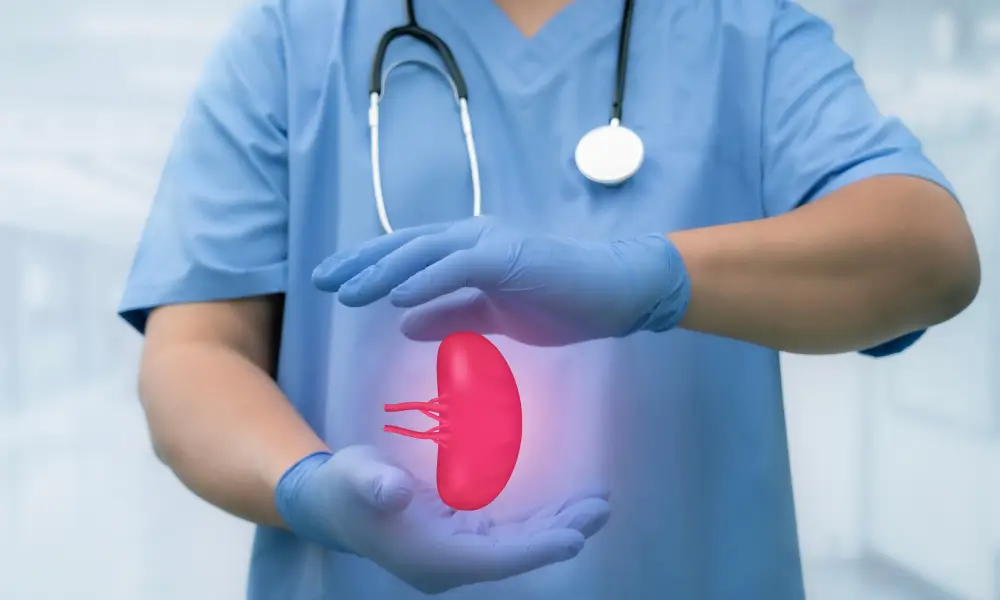
Types and Grades of Spleen Injuries
Grade | Injury Description |
I | Small tears or subcapsular hematomas |
II | Moderate tears (1-3cm deep) |
III | Deep lacerations (>3cm) |
IV | Blood vessel damage with partial devascularisation |
V | Spleen has completely shattered |
Signs and Symptoms
People with spleen laceration usually experience:
Sharp pain in the left upper quadrant of the abdomen
Left shoulder pain that worsens with breathing (Kehr's sign)
Tenderness in the affected area
Internal bleeding leads to additional warning signs:
Diagnosis
Doctors use several methods to confirm a spleen laceration and decide the best treatment path.
Doctors perform a physical examination to check for tenderness under your left rib cage. Blood tests show your platelet count and clotting abilities. Medical teams use these tools to get a full picture in emergency situations:
FAST ultrasound (Focused Assessment with Sonography for Trauma) to detect free fluid in the abdomen
CT scan with contrast – the preferred diagnostic tool that shows detailed images of splenic injuries
Angiography in certain cases, is used to prepare for embolisation procedures
CT scans help determine appropriate treatment by grading injuries from I (minor) to V (severe).
Treatment
Non-operative Management:
Small to moderate-sized splenic injuries now heal without surgery. This approach includes:
Hospital observation with round-the-clock monitoring
Serial blood tests to track haemoglobin levels
Blood transfusions if needed
Follow-up CT scans to check healing progress
About 85% of patients with blunt splenic injury receive non-operative management at first, with failure rates between 8-38%.
Surgical Treatment:
Severe injuries or continued bleeding require surgery. Surgery options are:
Splenic artery embolisation – blocking blood vessels using a catheter to control bleeding
Splenorrhaphy – surgical repair using stitches or electrocautery
Partial splenectomy – removing only the damaged portion
Complete splenectomy – removing the entire spleen for extensive damage
Possible Complications
Treatment can lead to these issues:
Delayed splenic rupture
Higher infection risk after splenectomy
Splenic abscess formation
Pseudoaneurysm development
Prevention and Safety Tips
You can reduce your risk by:
Wearing seatbelts while driving
Using appropriate protective gear during contact sports
Avoiding activities that could hurt your abdomen if your spleen is enlarged
Conclusion
A spleen laceration can be life-threatening after abdominal trauma. You just need to act fast since your spleen helps fight infections and manage blood cells. Car crashes cause most spleen injuries, but sports accidents and falls can hurt this sensitive organ too.
Your body needs several weeks of rest and close monitoring to heal properly. Normal activities must wait until you've recovered fully. Safety measures make a big difference - wearing seatbelts and using protective gear during sports can substantially lower your risk.
Getting medical help quickly could save your life. Watch for shoulder pain, tender abdomen, and feeling lightheaded after any trauma. Most patients bounce back completely, but quick treatment makes the difference between serious problems and smooth recovery.
FAQs
What is a spleen laceration and how serious is it?
A spleen laceration happens when this fist-sized organ in your upper left abdomen tears or breaks open. The condition needs urgent attention because the spleen contains many blood vessels. Damage can lead to major internal bleeding and life-threatening hemorrhagic shock.
What causes spleen laceration?
Car accidents cause 50-75% of all cases. The spleen can also get damaged from contact sports injuries, falls on the left side, and direct hits to the abdomen. People who have enlarged spleens from conditions like mononucleosis can get hurt even from small impacts.
Which symptoms mean I should get medical help right away for a spleen injury?
Get emergency care if you notice:
Pain in the left upper abdomen or back
Left shoulder pain that gets worse with breathing (Kehr's sign)
Dizziness, lightheadedness, or confusion
Nausea and vomiting
How do doctors diagnose a spleen laceration?
Doctors use contrast-enhanced CT scans to see detailed images of splenic injuries. They also use FAST ultrasound to check for free fluid in the abdomen during the first check. Blood tests help track haemoglobin levels and blood clotting.
What do injury grades (I to V) mean and why do they matter?
The American Association for Surgery of Trauma (AAST) uses grades I through V to rate injuries:
Grade I: Small tears or subcapsular hematomas
Grade II: Moderate tears (1-3cm deep)
Grade III: Deep lacerations (>3cm)
Grade IV: Blood vessel damage with partial devascularisation
Grade V: Completely shattered spleen
Can my spleen heal without surgery? When will I need surgery?
Most spleen injuries (grades I-III) heal with careful monitoring in the hospital. About 85% of patients don't need surgery at first. You might need surgery if you have:
Unstable vital signs despite treatment
Ongoing bleeding needing blood
Grade V injuries
Failed non-surgical treatment
What is the recovery period after a spleen laceration and what restrictions apply?
Complete healing takes 3-12 weeks based on injury severity. Patients need to focus on rest for the first 2-3 months. During this time:
Avoid lifting, pushing or pulling heavy items
Stay away from contact sports, cycling, hiking and vigorous exercise
Take prescribed pain medication as directed
What are the risks or long-term complications after a spleen injury or splenectomy?
Some patients with non-operative management need intervention due to delayed complications. Potential risks include:
Delayed bleeding
Splenic abscess formation
Higher risk of bacterial infections after splenectomy
Greater chance of sepsis from encapsulated bacteria
Are there lifestyle changes or precautions someone must take after a spleen injury?
Splenectomy patients need to make permanent lifestyle adjustments:
Get vaccinations against pneumococcus, meningococcus and Haemophilus influenzae
Carry medical alert identification
Learn early infection signs that need immediate attention
Keep emergency antibiotics on hand
How can people reduce the risk of spleen injury in sports, traffic accidents or other high-risk scenarios?
Prevention plays a vital role, especially in high-risk activities:
Wear proper protective gear in contact sports
Use seatbelts every time you drive
Add handlebar padding to bicycles