1068
1068
 Request Call Back
 Contact
 1068
1068
Best Diet for Jaundice: Foods to Eat and Avoid
Published on: Feb 27, 2026
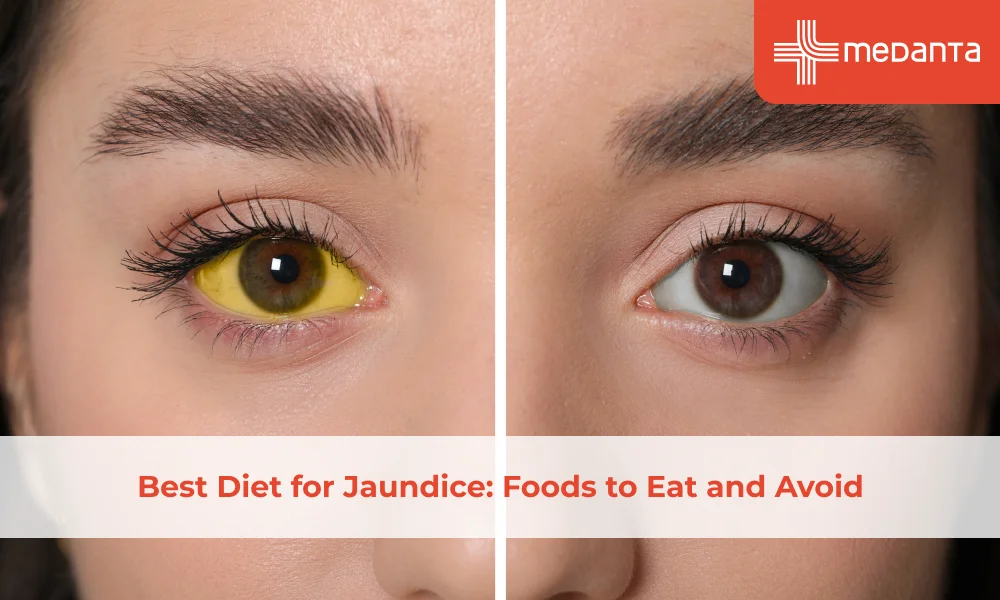
TABLE OF CONTENTS
- What Is Jaundice and How Does It Affect the Body
- Causes and Symptoms of Jaundice
- Importance of Diet in Jaundice Management
- Top Foods to Include During Jaundice Recovery
- Foods and Drinks to Avoid During Jaundice
- Role of Hydration in Liver Health
- Meal Planning Tips for Jaundice Patients
- Other Home Remedies That Support Liver Function
- Lifestyle Changes to Help Recovery
- When to Consult a Doctor for Jaundice
- Conclusion
- FAQs
Knowing which foods to avoid in jaundice can substantially affect recovery and overall liver health. Jaundice causes yellowing of the skin and eyes (due to elevated bilirubin levels in the bloodstream). The condition puts your liver under stress. While recovering your dietary choices become extremely important. The right meals help the liver function better and assist in removing bilirubin. A structured jaundice diet chart becomes necessary to reduce this burden and promote wellness. In this blog we will discuss in depth the best food for jaundice recovery. It includes jaundice treatment, food options, what to consume, and how to reduce bilirubin through proper nutrition and hydration.
What Is Jaundice and How Does It Affect the Body
The skin and whites of the eyes turn yellow with jaundice. Bilirubin, a yellow pigment from broken-down red blood cells, accumulates in the blood and causes this. The liver processes bilirubin and excretes it through bile. Bilirubin leaks into surrounding tissues when the liver cannot handle the bilirubin load or bile drainage gets blocked. This creates the characteristic yellow colour. The condition affects many newborns but remains less common in adults. Jaundice itself is not a disease. It signals a problem with the liver, gallbladder, or blood cells.
Causes and Symptoms of Jaundice
Three types of jaundice exist based on where the problem occurs.
Prehepatic jaundice results from excessive red blood cell breakdown before reaching the liver.
Hepatic jaundice happens when the liver tissue cannot filter bilirubin due to conditions such as hepatitis, cirrhosis, or alcohol-related damage.
Bile ducts get blocked by gallstones, pancreatic cancer, or inflammation and cause posthepatic jaundice.
Common symptoms include:
Yellowing of skin, eyes, and mucous membranes
Dark urine and pale stools
Persistent itching across the body
Abdominal pain and fever
Loss of appetite and weight loss
Fatigue and confusion.
Importance of Diet in Jaundice Management
Choosing the right jaundice food supports liver function and speeds healing. The liver doesn't deal very well with processing bilirubin, so some nutrients ease this burden while others create additional stress.
Top Foods to Include During Jaundice Recovery
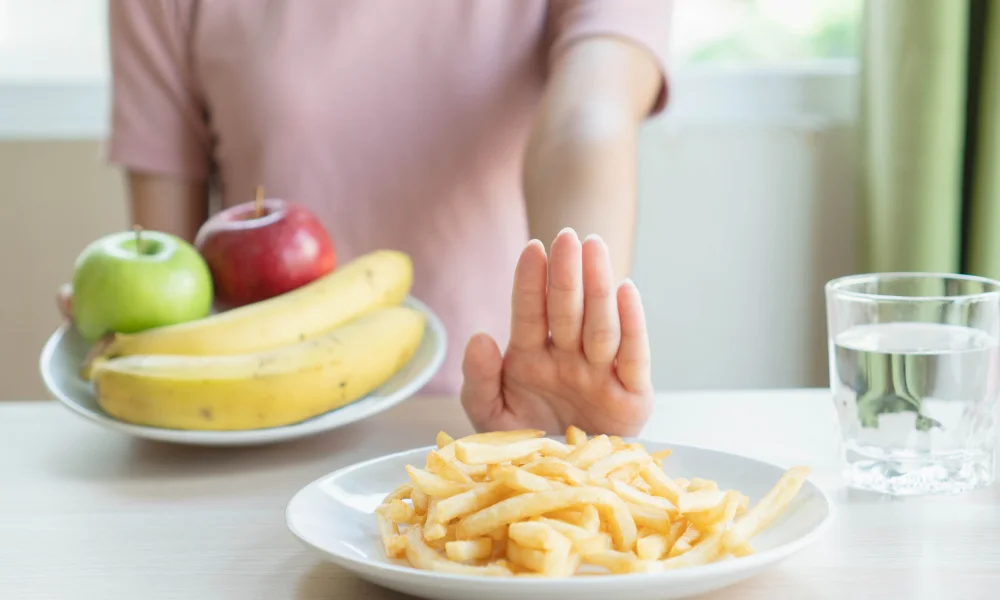
Fresh fruits and vegetables contain antioxidants and fibre that protect liver cells.
There are some great foods available that can boost your recovery. They are:
Papayas, oranges, watermelons and apples (detoxify the organ)
Spinach, carrots and beets cleanse the system
Whole grains such as oats, brown rice and quinoa provide energy without straining the liver
Lean proteins from lentils, tofu, egg whites and skinless chicken supply amino acids needed to repair tissue
Healthy fats from avocados, almonds, walnuts and flaxseeds promote healing when taken in moderation
Sugarcane juice strengthens liver function when freshly extracted and prepared hygienically.
Foods and Drinks to Avoid During Jaundice
Some food items you should not take at all. They are:
Fatty and fried items like chips, burgers and pakoras (they burden the digestive system)
Spicy curries and pickles irritate liver tissue
Alcohol damages the organ and slows recovery
Sugary sweets, pastries and soft drinks cause fat accumulation
Red meat and full-fat dairy products containing saturated fats create unnecessary strain
Processed foods with preservatives introduce toxins
Excess salt causes water retention.
Role of Hydration in Liver Health
Water flushes toxins and helps kidneys eliminate bilirubin. If you want your body to function optimally drink at least 2 litres daily (the figure may depend on your activity levels, disease history and climate). Coffee consumption, specifically more than 3 cups daily, improves liver health markers. Coconut water replenishes electrolytes. Herbal teas like chamomile and ginger reduce inflammation.
Meal Planning Tips for Jaundice Patients
Five to six small meals throughout the day reduce digestive stress. Cook with minimal olive oil or ghee. Choose fresh, hygienically prepared dishes always to prevent infections. Avoid raw or undercooked seafood. Reduce sodium intake to recover faster.
Other Home Remedies That Support Liver Function
Several natural remedies work among other best foods for jaundice to support healing. But you must consult a doctor before trying supplements, as many herbal products can harm the liver in susceptible individuals.
Turmeric has curcumin, a substance that helps lower liver inflammation and bilirubin. Studies reveal that curcumin can reduce ALT, AST, cholesterol, and blood sugar levels when taken at the recommended dose.
Milk thistle has silymarin that protects liver cells through antioxidant properties. Research showed it reduced ALT and AST levels after being taken for 8 to 24 weeks.
Vitamin E works as an antioxidant that may reduce inflammation, though high doses carry risks and require medical guidance.
Traditional approaches include papaya leaf paste mixed with honey. It contains papain enzymes that help digestion. Mint juice combined with honey soothes inflammation. Black cumin seeds possess antibacterial traits that support liver health. Garlic stimulates detoxification enzymes.
Doctors emphasise that these remedies lack rigorous testing & quality control. Never substitute them for prescribed treatment. Discuss options with your doctor (this ensures safety during recovery).
Lifestyle Changes to Help Recovery
Recovery just needs specific modifications.
Avoid alcohol (it causes more liver damage during healing).
Skip herbal supplements unless a doctor recommends them, since many are toxic to the liver.
Maintain a healthy weight.
Keep cholesterol levels in check.
Stop smoking and avoid intravenous drugs.
Rest well, drink fluids and follow a balanced meal plan.
When to Consult a Doctor for Jaundice
Anyone noticing jaundice symptoms should seek medical attention. Warning signs that need urgent care include severe abdominal pain, confusion, blood in vomit or stool, and high fever. Jaundice indicates the liver is not functioning right, so medical evaluation becomes essential to identify the root cause.
Conclusion
Getting better after jaundice can feel tough, but eating the right foods really helps. You will be surprised to know that fresh fruits, veggies, and simple proteins like chicken or fish make a big difference for the liver. Fatty or packaged foods just slow things down. Whole grains are good too. Drinking plenty of water is important because it helps your body get rid of waste. Some people try home remedies but it is always better to check with a doctor first before adding anything new. In the end eating well and making small changes in your daily routine can give your liver the best shot at healing.
FAQs
What foods should I eat if I have jaundice?
Your focus should be on meals that your liver can process with ease. Take fruits like apples, bananas and papaya (they work wonders for recovery). Vegetables such as spinach, carrots and beetroot gives all the nutrients you need without straining your system. Lean proteins from chicken, fish, tofu, and lentils help repair damaged cells. Whole grains like brown rice and oats give you energy.
Which foods should be avoided during jaundice?
Stay away from anything fatty or fried, as these stress your liver substantially. Skip sugary treats, processed meats, and salty snacks. Alcohol must be avoided since it damages liver tissue further. High caffeine beverages can dehydrate you (ultimately slowing down your healing).
Can a proper diet speed up jaundice recovery?
What you eat affects how fast your liver heals. Nutrient-rich meals reduce inflammation and help your body eliminate excess bilirubin faster. Poor food choices burden your liver (they can prolong symptoms).
Is hydration important during jaundice?
Water plays a foundational role in the process of flushing toxins from your system. Doctors recommend drinking at least 2 litres daily. Coconut water and herbal teas also help. Staying hydrated assists your kidneys and liver in processing bilirubin.
Can fruits and vegetables help in jaundice recovery?
Fresh produce contains antioxidants and fibre that protect your liver cells. They ease digestion and provide vitamins needed for healing. Therefore, eating plenty of colourful fruits and vegetables supports your recovery experience in a natural way.
Are dairy products safe during jaundice?
Full-fat dairy can feel heavy during recovery. Alternatives like almond milk and soy milk are gentler on your stomach. Probiotic rich yoghurt helps digestion and feels easier to process if you prefer dairy. Listen to your body and choose what sits comfortably.
How often should I eat meals while recovering from jaundice?
Eating five to six smaller portions throughout the day reduces strain on your liver. Your body can process nutrients gradually rather than getting overwhelmed with large meals (imagine it like you are giving your liver manageable tasks instead of heavy lifting).
Can liver-friendly herbs help with jaundice?
Dandelion root helps detoxify your liver. If you are taking ginger and chamomile teas they reduce inflammation and soothe digestion.
Are there foods that can worsen jaundice?
Certain meals create a burden. High fat items lead to fat accumulation in the liver. Refined sugars build up liver fat and complicate healing. Excess salt causes fluid retention and impairs function. You should avoid alcohol and caffeine.
When should I see a doctor if I have jaundice?
If your skin or eyes appear yellow you should urgently go to a doctor. Watch for itchy skin, darker urine and paler stools than usual. Your liver needs professional evaluation right away if these signs appear.