1068
1068
 Request Call Back
 Contact
 1068
1068
Health Benefits of Mushrooms: Nutrition, Types & Uses
Published on: Feb 27, 2026
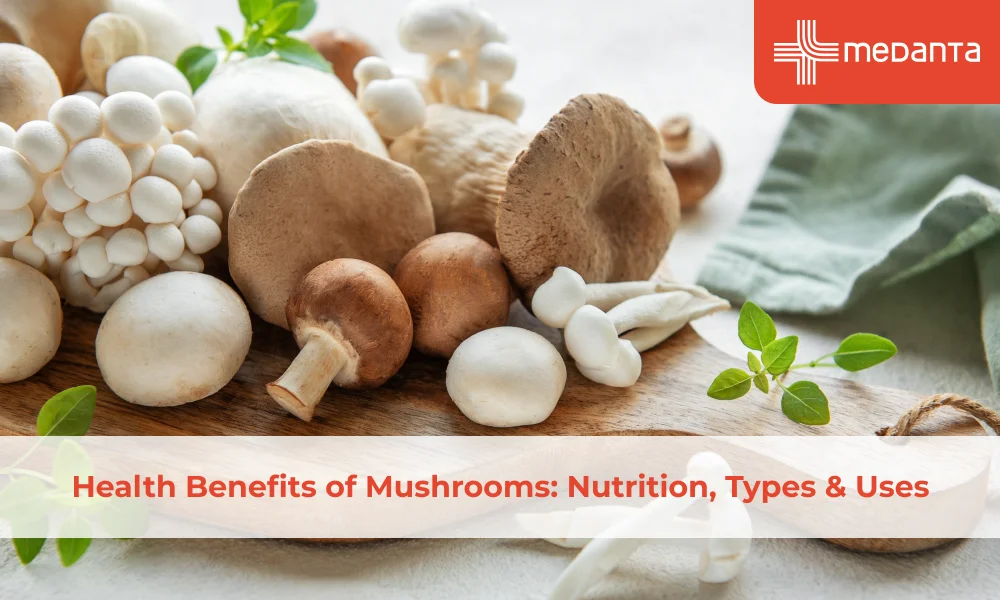
TABLE OF CONTENTS
- Nutritional Profile and Varieties
- Common Types of Edible Mushrooms
- Health Benefits of Mushrooms for Immunity
- Role of Mushrooms in Heart Health
- Mushrooms for Weight Management and Digestion
- Antioxidant and Anti-Inflammatory Properties
- Culinary Uses of Mushrooms in the Daily Diet
- Medicinal Mushrooms and Their Benefits
- Precautions and Possible Side Effects
- Scientific Studies Supporting Mushroom Health Benefits
- Conclusion
- FAQs
Research reveals that the benefits of mushroom consumption extend beyond simple nutrition for example, eating just a few grams daily may lower cancer risk. Most people consume mushrooms each year, yet many remain unaware of their health advantages.
Mushrooms are the only produce item that contains vitamin D. Studies demonstrate that mushroom health benefits include immune support & cardiovascular protection.
This blog explores mushroom nutrition in detail and examines edible varieties of all types. Let us look at their specific advantages for immunity and heart health, weight management properties and practical culinary applications while addressing safety considerations.
Nutritional Profile and Varieties
Fungi belong to a separate kingdom from plants and animals yet boiled white mushrooms contain 91% water, 5% carbohydrates, 2% protein and 0.3% fat. A 100-gram serving supplies rich riboflavin and niacin, among copper and selenium at 23-56% of daily values. Vitamin D content varies based on UV light exposure fresh wild varieties like chanterelles contain up to 1200 IU per serving, while darkened-grown mushrooms provide less than 40 IU. But just one hour of UV exposure before harvesting doubles the recommended daily vitamin D intake.
Common Types of Edible Mushrooms
White button mushrooms (Agaricus bisporus) represent the majority of consumption in India. Other Popular varieties are :
Cremini (baby portobello)
Shiitake with steak like richness
Oyster mushrooms with delicate texture.
Portobello mushrooms are mature cremini (they are valued for their meaty texture)
Seasonal options like morels and chanterelles
Truffles which are expensive.
Health Benefits of Mushrooms for Immunity
White button mushrooms activate dendritic cells from bone marrow. These cells produce T cells that recognise & deactivate pathogens. Beta glucans train innate immune cells through pattern recognition receptors and strengthen defence systems without excessive inflammation. Studies show these compounds have an impact on genes in white blood cells and change how inflammation pathways work. Reishi mushrooms might boost the number of white blood cells while improving their function.
Role of Mushrooms in Heart Health
Studies suggest mushroom consumption lowers blood triglycerides and hs-CRP (a protein predicting cardiovascular events). Beta-glucans in mushrooms help reduce cholesterol levels by binding to it in the digestive tract. Mushrooms have potassium and little sodium, which helps maintain good blood pressure.
Mushrooms for Weight Management and Digestion
When you substitute 20% of meat with mushrooms, weight loss results improve. Polysaccharides from mushrooms promote short-chain fatty acid production in the gut and support digestive and immune function. Their high water content and fibre create satiety with fewer calories. Studies reveal that mushroom dietary fibres reduce LDL cholesterol and body weight by altering gut microbiota abundance.
Antioxidant and Anti-Inflammatory Properties
Ergothioneine functions as an antioxidant and gets transported to sites needing cellular repair. Selenium enriched mushrooms show higher antioxidant activity while reducing lipid peroxidation substantially. Polysaccharides activate MAPK and NF-κB pathways that regulate inflammatory factor secretion.
Culinary Uses of Mushrooms in the Daily Diet
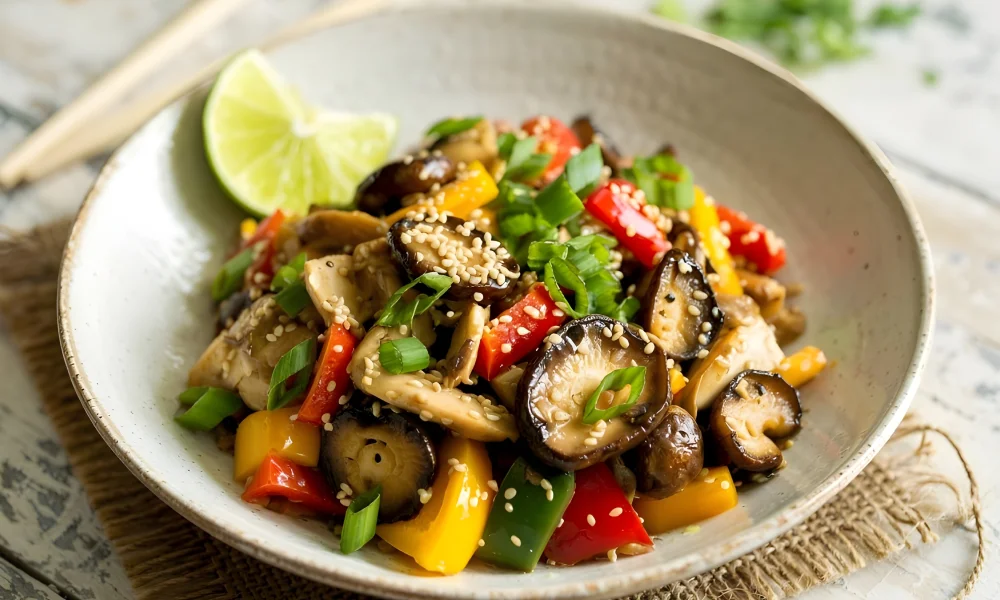
When you sauté mushrooms, they release their umami flavour and preserve B vitamins. Add them to omelettes, stir-fries, soups or wraps to improve taste. Mushrooms cook quickly. Just 2-3 minutes of high-heat sautéing maintains their crunchy texture. They release water during cooking, so skip adding extra liquid. Store loose varieties in paper bags inside refrigerators for up to five days. Frozen mushrooms last 8 to 12 months but require steaming or sautéing before freezing. Wash your hands for twenty seconds before handling and clean utensils well to prevent cross contamination.
Medicinal Mushrooms and Their Benefits
Coriolus versicolor (turkey tail) contains a polysaccharide peptide approved for clinical use. Lentinan from shiitake activates immune responses and can block cancer cell cycles. Reishi supports liver protection and blood pressure regulation while lion's mane gives you a host of cognitive benefits. Cordyceps helps kidney function. These varieties appear in capsules, powders, teas and even coffee alternatives.
Precautions and Possible Side Effects
Never pick wild mushrooms unless you possess expert mycological knowledge. Death cap mushrooms prove fatal, and cooking fails to remove toxins. Store fresh varieties in refrigerators but never in airtight containers unrefrigerated, as botulism may develop.
Pregnant women, those taking blood pressure medications and people with bleeding disorders should avoid medicinal mushroom supplements. Some people experience allergies requiring complete mushroom avoidance.
Scientific Studies Supporting Mushroom Health Benefits
Research demonstrates that mushroom proteins provide protein efficiency ratios surpassing beef jerky with black oyster mushrooms leading all varieties. Studies reveal mushrooms contain polysaccharides and polyphenols (these compounds exhibit antioxidant and anti inflammatory effects in cell research). Medicinal varieties possess immunomodulatory and antimicrobial properties.
Conclusion
Beyond their culinary appeal mushrooms pack health advantages. They boost immunity and support your weight management plan as well as protect heart health. These fungi deserve a regular spot on your plate. Mushrooms' antioxidants, vitamin D and natural compounds give numerous benefits to health. Start with common types like button or cremini mushrooms & experiment with different methods of preparing them. Source them safely. Your body will thank you for this nutritious addition to your diet.
FAQs
What are the main health benefits of mushrooms?
Mushroom consumption provides a myriad of benefits. They strengthen immune defences and protect cardiovascular function while supporting healthy weight management. Antioxidants (ergothioneine and glutathione) curb cellular damage and reduce inflammation. Their unique compounds also show promise in cancer prevention and cognitive enhancement.
Which types of mushrooms are edible and healthy?
Button mushrooms provide 17% of daily selenium needs per serving. Oyster varieties offer B vitamins and beta-glucan fibre. Shiitake supplies 116 milligrams of choline per cup and covers 25% of pregnancy requirements. Lion's mane supports stress reduction and cognitive performance. Maitake possesses anticancer and anti-diabetic properties.
Can mushrooms boost immunity?
Daily consumption of 5 to 10 grams of dried shiitake for four weeks increased natural killer cells and reduced inflammatory proteins like C-reactive protein. Beta-glucans stimulate immune cell receptors and help them recognise threats better. Polysaccharides in turkey tail & maitake varieties strengthen the immune response during chemotherapy.
Are mushrooms good for heart health?
Oyster mushroom intake reduced blood sugar, triglycerides and LDL cholesterol levels. Their potassium content helps regulate blood pressure. Beta-glucans lower cholesterol by binding it in the digestive tract.
How do mushrooms help with weight management?
When you substitute mushrooms for 20% of meat and combine this with exercise, weight loss results improve. Their low calorie density and high fibre create fullness with fewer calories. Six-month studies showed reductions in body weight, BMI, and waist circumference.
Can mushrooms reduce inflammation in the body?
Fungi contain polysaccharides, terpenoids and phenolic compounds that decrease inflammatory mediators like nitric oxide and cytokines directly. Water and methanolic extracts inhibit macrophage functions and reduce cell inflammation.
What are the medicinal uses of mushrooms?
Medicinal varieties have treated infections for centuries. Traditional uses include wound healing, respiratory problems, and cancer support. Lentinan strengthens the immune response during gastric cancer treatment.
Are there any side effects of consuming mushrooms?
Some varieties cause digestive discomfort like bloating or nausea. Allergic reactions may produce skin rashes or breathing difficulties (sometimes the person may need immediate attention). Wild varieties pose serious poisoning risks because toxic species resemble edible ones. Medicinal types may interact with blood pressure or diabetes medications.
How can I include mushrooms in my daily diet?
Slice them into salads, stir them into soups or add them to frittatas. Mushroom stems remain edible and nutritious so chop away only dry ends rather than discarding whole stalks. Growing kits at home provide a fresh supply without any exception.
Is there scientific evidence supporting mushroom benefits?
Japan and China approved medicinal fungi as cancer treatment additions over 30 years ago. Studies confirm their immunomodulatory and anticancer properties through testing.