1068
1068
 Request Call Back
 Contact
 1068
1068
Prenatal Yoga vs Regular Yoga: What’s the Difference?
Published on: Mar 31, 2026
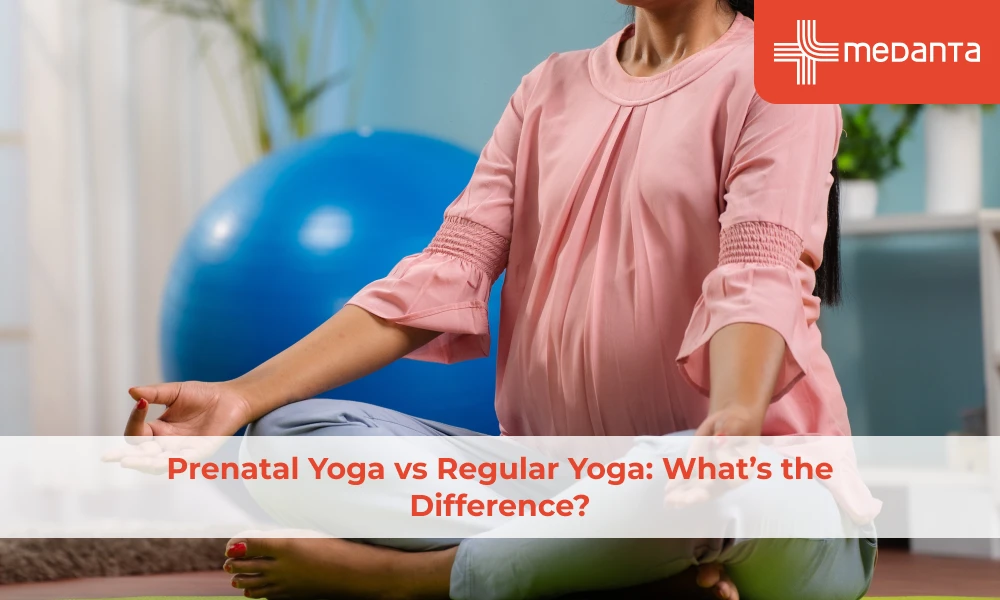
TABLE OF CONTENTS
- What is Prenatal Yoga?
- What is Regular Yoga?
- Key Differences Between Prenatal and Regular Yoga
- Safety Considerations During Pregnancy
- Benefits of Prenatal Yoga for Expecting Mothers
- Can Pregnant Women Practise Regular Yoga?
- Yoga Poses to Avoid During Pregnancy
- Recommended Prenatal Yoga Poses
- Role of Breathing Techniques in Prenatal Yoga
- Trimester-wise Yoga Guidelines
- When to Start and Stop Prenatal Yoga
- Importance of Certified Instructors
- Common Myths About Yoga During Pregnancy
- Tips for Choosing the Right Yoga Practice
- FAQs
Prenatal yoga adapts standard postures to support expecting mothers. Many wonder whether their regular practise remains safe during pregnancy. Pregnancy brings changes to a woman's body and requires modifications to protect growing bellies and sensitive joints. The centre of gravity shifts too. What is prenatal yoga exactly? It focuses on gentle stretching, strengthening and breathing exercises. Mindfulness techniques are designed to suit each trimester. The benefits of prenatal yoga extend beyond physical fitness it includes strengthening your pelvic floor muscles that are everything in labour and builds a supportive community. Understanding these differences helps the main muscles used during mothers choose the safest and most effective practice for their trip.
What is Prenatal Yoga?
Prenatal yoga meaning centres on a specialised practise tailored for expecting mothers. This gentle form combines modified postures, breathing exercises and mindfulness techniques that adapt to each trimester's unique needs (to prepare your body for labour and delivery).
What is Regular Yoga?
Regular yoga covers various styles - Hatha, Vinyasa and Ashtanga for people of all fitness levels. With it you can achieve well being, flexibility, strength and mental clarity through traditional postures and sequences that challenge the entire body.
Key Differences Between Prenatal and Regular Yoga
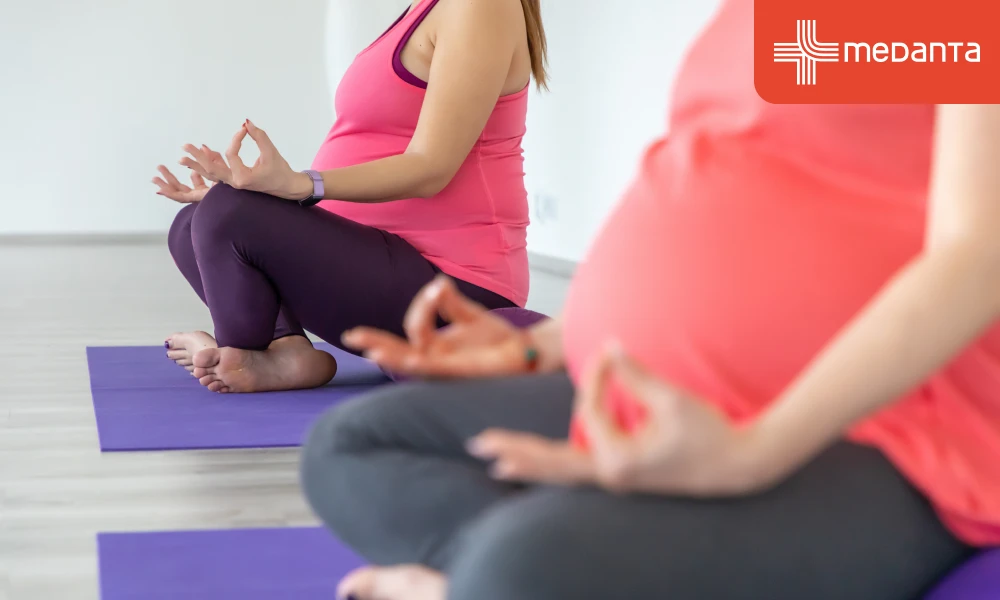
The training instructors receive marks as an important difference. A Registered Prenatal Yoga Teacher has an additional certification focused on pregnancy (while regular yoga instructors often have limited to no training in modifications for expecting mothers).
Prenatal yoga classes target the pelvic floor, lower back and hips rather than full-body conditioning. The intensity remains gentler. Transitions are slower and pose durations shorter (with deep twists, inversions like headstands and poses compressing the abdomen are excluded or modified).
Safety Considerations During Pregnancy
Hot yoga is avoided during pregnancy, as heated environments raise core body temperature and pose risks. Over half of all women experience anxiety during pregnancy, while some face clinical depression.
Pregnancy hormones loosen your muscles and ligaments thus increasing injury risk if women push flexibility limits. Modifications become vital for maintaining stability without strain.
Benefits of Prenatal Yoga for Expecting Mothers
Research demonstrates that prenatal yoga reduces back pain, leg pain and preeclampsia risk. Women practising prenatal yoga are 2.5 times more likely to experience a normal vaginal birth. Labour duration reduced by up to 2 hours on average.
The practise lowers anxiety and depression levels while improving sleep patterns. Breathing techniques learned during sessions help manage labour pain and promote relaxation.
Can Pregnant Women Practise Regular Yoga?
Women with yoga foundations may continue certain traditional postures early in pregnancy. But adapting poses becomes significant as pregnancy progresses. Positions once comfortable may no longer suit changing bodies.
Always consult your doctor before continuing regular practise. If you have some conditions you need extra precaution (intrauterine growth restriction, high risk of preterm labour or multiple pregnancies). Looking for certified prenatal yoga instructors will give safety and appropriate guidance throughout the experience.
Yoga Poses to Avoid During Pregnancy
Certain movements pose risks during pregnancy. These include:
You should avoid headstands, handstands, and the upward bow. Balancing on one leg without support increases fall risk.
Deep backbends like camel pose and wheel overstretch abdominal muscles.
Recommended Prenatal Yoga Poses
Cat-cow remains safe throughout all trimesters relieving your back pain and creating space for the baby.
Butterfly pose opens the hips gently, especially beneficial in the final trimester.
Wide knee child's pose offers comfort without belly compression.
Goddess squats strengthen legs and prepare the pelvis for labour.
With a wall supported downward dog you will get stretching benefits (giving you more stability).
Role of Breathing Techniques in Prenatal Yoga
Pranayama boosts oxygenation for both mother and baby. Nadi Shodhana (alternate nostril breathing) promotes relaxation and emotional balance. You can practise this technique throughout pregnancy. Breathing exercises prepare the body for labour by strengthening the pelvic floor and establishing a deeper connection with breathing patterns during childbirth. You should avoid breath retention and forceful techniques.
Trimester-wise Yoga Guidelines
First Trimester (0-12 weeks): Focus on easing nausea and building mindfulness. You should avoid deep twists, hot yoga, jumping, and lying on your belly. The risk of miscarriage is highest during this period. Gentle practise or none at all is recommended.
Second Trimester (13-27 weeks): Open hips, strengthen legs and back, improve balance. You should avoid lying flat on your back longer than 5 minutes. This trimester offers a boost in energy making it ideal for building a regular routine.
Third Trimester (28-40 weeks): Relieve swelling, open pelvis and prepare for labour. You should avoid deep backbends and balancing poses without support. Focus on restorative movements with guidance.
When to Start and Stop Prenatal Yoga
Many experts will tell you to start prenatal yoga after the first trimester (around 14 weeks). This timing reduces miscarriage concerns and allows women to benefit throughout pregnancy. Women already practising yoga before conception can continue with modifications from early pregnancy. Wait until the second trimester and start under expert supervision if new to yoga. Prenatal yoga can continue right until labour under proper guidance.
Importance of Certified Instructors
Certified prenatal instructors have specialised training making them understand pregnancy anatomy and trimester specific modifications. They understand which postures suit each stage and can prevent injury. Small class sizes allow individual-specific guidance. Your trained instructors will also know to manage issues (back pain or swelling) through tailored adjustments.
Common Myths About Yoga During Pregnancy
Myth: All twisting is dangerous.
Reality: Open twists from the upper spine remain safe when the belly isn't compressed.
Myth: Lying on your back after the second trimester is forbidden.
Reality: Short periods are acceptable for most uncomplicated pregnancies.
Myth: Inversions are contraindicated.
Myth: Core work is prohibited.
Reality: You should avoid crunches but core strength can develop through neutral spine poses like plank or tabletop.
Tips for Choosing the Right Yoga Practice
Seek classes specifically designed for pregnant women. These sessions move at a slower pace and account for pregnancy needs. Hospitals offering prenatal-focused classes provide safer environments. Think over class size for individual-specific attention. Check whether the instructor demonstrates modifications for each patient need. You should avoid hot rooms, deep backbends, and any pose causing strain or dizziness. Always consult your healthcare provider before starting.
FAQs
Is it safe to do regular yoga during pregnancy?
Your regular practise may work fine during the first trimester if you already have experience. Just inform your instructor about your pregnancy for proper modifications. But certain poses and sequences become unsuitable as your body changes, especially in the second and third trimesters. Regular yoga without modifications isn't always safe.
When should I start prenatal yoga during pregnancy?
Most experts suggest you begin around 14 weeks, right at the second trimester. This timing keeps you safe from first-trimester miscarriage concerns. If you've never tried yoga before, the second trimester is the best time to wait until.
Which yoga poses should be avoided during pregnancy?
Skip hot yoga. Avoid lying on your back for long after 20 weeks and on your belly after the first trimester. Deep twists compress your baby's space. Inversions like headstands carry fall risks.
Can beginners do prenatal yoga?
Yes. Prenatal yoga welcomes all fitness levels. Instructors guide you through safe poses and focus on breathing and comfort rather than intensity.
How often should I practise prenatal yoga?
Your body tells you what feels right. Beginners benefit from 2-3 sessions weekly and allow time to adapt without exhaustion. Experienced practitioners can manage 3-5 times each week. Some mothers prefer daily 15-20 minute sessions over longer weekly classes. Federal guidelines recommend 150 minutes of moderate activity weekly. This breaks down to five 30-minute sessions or three 50-minute classes. Consistency matters more than duration
Does prenatal yoga help with a normal delivery?
Research confirms the most important delivery improvements (reduced caesarean sections, fewer preterm deliveries and improved vaginal delivery rates). Breathing techniques learned during sessions help manage contractions and reduce stress during labour.
Are there any risks associated with prenatal yoga?
Studies report no adverse events when practising under qualified guidance. Certain poses may reduce blood flow or require balance you won't have with a growing belly. You minimize these concerns by staying hydrated, listening to your body and avoiding uncomfortable positions.
Can I continue my regular yoga routine while pregnant?
Modifications become necessary as your body changes. Inform instructors about your pregnancy for appropriate adjustments. Regular classes include poses unsuitable during pregnancy, such as deep twists and belly-down positions. Certified prenatal instructors offer safer alternatives.
What are the benefits of prenatal yoga for the baby?
They are
Prenatal yoga improves infant birth weight (whilst decreasing preterm labour and preeclampsia risks)
Better circulation gives a steady oxygen and nutrient supply to you and your baby
Reduced maternal stress hormones create a calmer environment (positively influence your baby's emotional wellbeing)