1068
1068
 Request Call Back
 Contact
 1068
1068
Low Oestrogen Levels: Symptoms, Causes, Diagnosis and Treatment Options
Published on: Mar 30, 2026
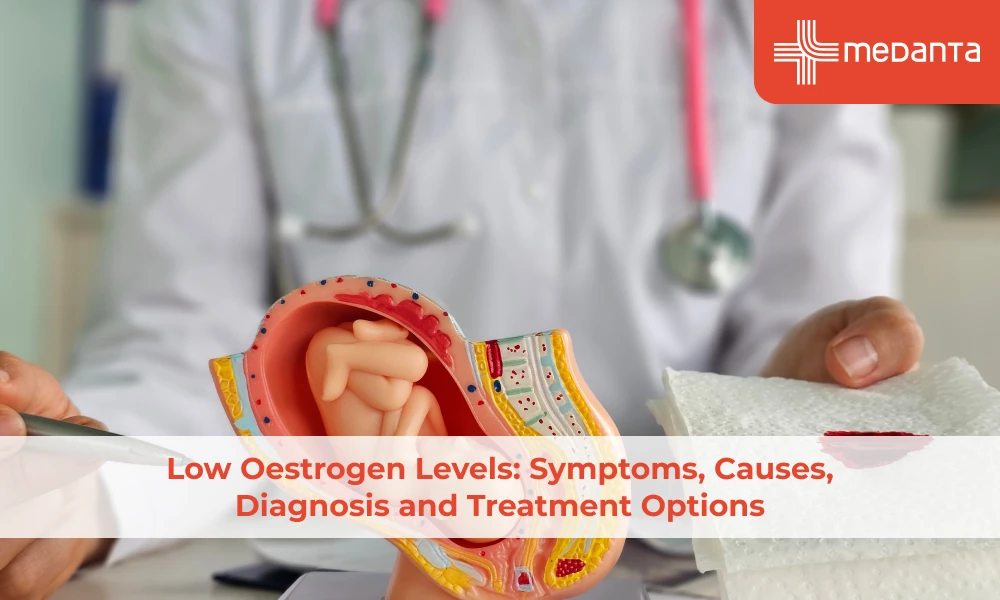
TABLE OF CONTENTS
Oestrogen is a key hormone for your reproductive health. This hormone plays a significant role in everyone's overall wellness, whatever their sex or anatomy. The body needs oestrogen to maintain strong bones, regulate blood sugar, support brain function, and protect heart health.
Oestrogen deficiency can affect anyone, but it occurs most often in women approaching or going through menopause. Normal estradiol levels typically range from 30-400 pg/mL for premenopausal women, while adult men's levels usually stay between 10-50 pg/mL. People who recognise early signs and understand why low oestrogen happens can seek timely treatment and prevent long-term health complications.
What Are Low Oestrogen Levels?
Oestrogen is the key reproductive hormone that naturally changes throughout life. Your body's oestrogen peaks during ovulation and drops during menstruation. A consistent drop in oestrogen below normal levels signals an imbalance rather than normal fluctuations. This vital hormone helps maintain bone health, controls body temperature, keeps vaginal and urinary tissue healthy, and affects your mood. Your levels can drop if you're going through perimenopause, have had your ovaries removed, or have undergone certain treatments.
Causes of Low Oestrogen
Several factors can reduce your oestrogen production. These are:
Changes that come with age, especially in women over 45 who are approaching menopause
Genetic conditions like Turner syndrome or Fragile X syndrome
Autoimmune diseases that affect how your ovaries work
Problems with your pituitary gland
Eating disorders like anorexia or bulimia that rob your body of needed nutrients
Medical treatments such as chemotherapy, radiation, or surgery on your ovaries.
Risk Factors for Oestrogen Deficiency
You might face a higher risk if you have:
Premature ovarian insufficiency (when ovaries stop working sooner than normal)
Hypothalamic amenorrhea from too much exercise or stress
Eating disorders or being underweight might reduce hormone production
Thyroid problems
Recently given birth and are breastfeeding
Working out too much without taking enough nutrition
You smoke (smoking accelerates estrogen breakdown).
Symptoms and Signs of Low Oestrogen
Your body shows several signs when oestrogen runs low like:
Irregular or missing periods
Night sweats
Hot flashes
Trouble sleeping
Vaginal dryness
Pain during sex
Mood changes
Focus problems
A higher chance of breaking bones
Brittle nails
Hair thinning
Weight gain around your midsection.
Diagnosis
Doctors use blood tests that measure follicle-stimulating hormone (FSH) and various oestrogen types (estradiol, estriol and estrone levels) to make an accurate diagnosis. These tests reveal hormone patterns in women who experience irregular periods or menopause symptoms. Men's abnormal results might point to conditions like gynecomastia or infertility.
Your doctor might conduct several tests over a month to identify patterns as hormone levels naturally fluctuate.
Treatment Options for Low Oestrogen
Hormone replacement therapy (HRT) is the main treatment choice for low oestrogen. Options include:
Oestrogen therapy (for women without a uterus)
Oestrogen-progesterone/progestin therapy (for women with a uterus)
Vaginal oestrogen (rings, creams, inserts) to treat localised symptoms
People who cannot take oestrogen, doctors prescribe non-hormonal alternatives according to their condition. These include:
Antidepressants like SSRIs or SNRIs
Gabapentin for hot flashes
Fezolinetant for moderate to severe hot flashes and night sweats.
Lifestyle and Hormonal Management
Several lifestyle changes can help manage symptoms naturally along with other medical treatments.
Your body's hormonal balance benefits from phytoestrogen-rich foods like flaxseeds, berries, soybeans, tofu, garlic, and dark chocolate.
Regular exercise including weight-bearing activities not only improves metabolism but also balances hormone levels.
Stress reduction through yoga, meditation, or relaxation techniques.
Maintain your body weight as being underweight or overweight can disturb oestrogen production.
Vitamin supplements (B, D, E, boron) might boost oestrogen production.
When to See a Doctor
You should contact a doctor if you experience persistent symptoms like hot flashes, vaginal dryness, or irregular periods. Quick action prevents potential risks like osteoporosis and heart disease.
FAQs
What does low oestrogen mean for women's health?
Low oestrogen levels affect much more than reproductive health. Your body needs oestrogen to protect against heart disease (by keeping cholesterol levels in check). Sufficient oestrogen levels prevent calcium loss and keep your bones strong. Low oestrogen levels can affect how you think & how your body handles blood sugar.
What are the common symptoms of low oestrogen?
Common symptoms are:
Hot flashes & night sweats
Mood swings
Vaginal dryness
Painful intercourse
Reduced sex drive
Headaches
Fatigue
Problems with concentration.
What causes oestrogen levels to drop?
Your oestrogen levels can drop because of:
Natural ageing, especially after age 45
Genetic conditions like Turner Syndrome or Fragile X
Autoimmune diseases that attack the ovaries
Eating disorders such as anorexia or bulimia
Premature ovarian insufficiency before age 40
Treatments like chemotherapy or radiation
Doing too much of exercise
How is low oestrogen diagnosed?
Your doctor will review your medical history, look at your symptoms, and do blood tests to check hormone levels. These tests measure your follicle-stimulating hormone (FSH) and estradiol levels. You might need several tests over the course of a month since hormone levels naturally change throughout the month.
Can low oestrogen affect menstrual cycles and fertility?
Yes oestrogen controls ovulation and menstrual cycles by helping follicles grow and release eggs. When levels are low, your periods might become irregular or stop completely (causing fertility problems). When oestrogen levels are too low your uterine lining might not get thick enough to support a pregnancy.
What treatments are available for low oestrogen?
Treatment options:
Hormone replacement therapy (oestrogen alone if you don't have a uterus)
Combined oestrogen-progesterone therapy (if you have a uterus)
Vaginal oestrogen preparations for local symptoms
Non-hormonal options like antidepressants or gabapentin.
Can lifestyle changes improve oestrogen levels naturally?
Yes natural approaches can help you maintain healthy hormone levels.
Your diet can make a big difference - foods rich in phytoestrogens like flaxseeds, soy and chickpeas support hormonal balance.
Good sleep lets your body recharge and helps hormones function properly.
Weight management is also crucial.
Simple stress management techniques like meditation help reduce cortisol levels that can interfere with hormone production.
Does low oestrogen increase the risk of osteoporosis?
Your body's oestrogen helps protect bones by slowing their natural breakdown. Women can lose up to 20% of bone mass after menopause. The numbers tell a concerning story - osteoporosis affects 1 in 10 women over 60 worldwide. The risk grows higher as 1 in 2 postmenopausal women will develop this condition. Women who experience early menopause before age 47 face a substantially higher fracture risk.
Are there side effects of hormone replacement therapy?
Side effects are:
Headaches
Breast tenderness
Nausea
Mood changes.
The therapy carries more serious risks including slightly higher chances of blood clots, stroke and breast cancer.
Should I consult a doctor about low oestrogen?
You need medical advice if you experience persistent irregular periods, intense hot flashes, mood swings or vaginal dryness that affects your daily life. Don't wait to see a doctor if your symptoms get worse.