1068
1068
 Request Call Back
 Contact
 1068
1068
Low Blood Levels? Natural Ways to Increase Blood Levels in the Body
Published on: Mar 23, 2026
TABLE OF CONTENTS
- What Causes Low Blood Levels in the Body?
- Symptoms of Low Blood Levels
- 10 Natural Ways to Increase Blood Levels
- Iron Rich Foods to Boost Blood Levels Naturally
- Vitamins and Supplements That Help Improve Blood Count
- Lifestyle Tips for Maintaining Healthy Blood Levels
- When to See a Doctor for Low Blood Levels
- Conclusion
- FAQs
Do you feel constantly tired, weak, and short of breath? Your body might be sending you important signals about your blood levels. Haemoglobin (the vital protein in red blood cells that carries oxygen throughout your system) could be running low. Your entire body feels the effects when levels fall below the normal range.
Several factors can cause low haemoglobin: iron deficiency, poor diet, chronic health conditions, or excessive blood loss. The good news is that medication isn't always necessary to boost your levels. Natural approaches can increase blood levels through everyday foods (iron and vitamin rich foods) and simple lifestyle changes. Your body will start showing improvements in about 3–4 weeks with consistent effort, though you'll notice significant changes after 2–3 months.
This article explores ten proven natural ways to boost your haemoglobin levels.
What Causes Low Blood Levels in the Body?
Several factors can make your blood levels drop. Your body just needs iron, vitamin B12 and folate to create healthy red blood cells. A lack of these nutrients will affect your haemoglobin production. Blood loss plays a major role too, especially through heavy periods, internal bleeding, or accidents.
Various medical conditions can lower your blood count.
Kidney diseases that reduce erythropoietin production (a hormone that triggers red blood cell formation)
Cancer treatments
Autoimmune diseases that disrupt normal blood cell creation
Blood disorders like sickle cell disease or thalassaemia
Pregnancy raises blood demand and can lead to temporary anaemia.
Symptoms of Low Blood Levels
Your body will tell you when blood levels drop. The following are some common signs and symptoms:
You feel tired and weak even after a good rest
Normal activities leave you short of breath
Your skin looks pale or yellowish
Your hands and feet stay cold
Your heart beats irregularly
10 Natural Ways to Increase Blood Levels
You don't need complex medical treatments to boost your blood count naturally. Simple changes to your diet and lifestyle can affect your haemoglobin levels by a lot.
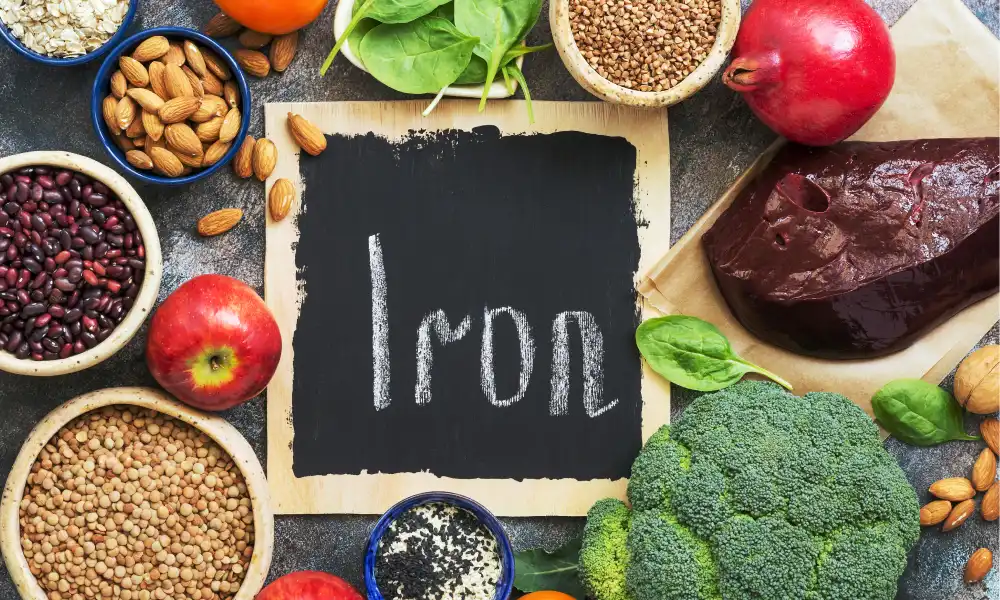
Eat Iron-rich Foods: Your body uses iron to create haemoglobin. Make lean meats, fish, poultry, lentils, beans, tofu and leafy greens part of your daily meals. Your body absorbs iron better from animal sources (heme iron) than from plant sources.
Cook in Iron Utensils: Cast iron cookware adds iron to your food, especially when you have acidic ingredients like tomatoes.
Pair with Vitamin C: Your body needs oranges, strawberries, kiwi, bell peppers and broccoli to improve iron absorption. Try mixing spinach salad with strawberries or adding tomatoes to your lentil soup.
Increase Folate & B12 Intake: These vitamins create red blood cells. You'll find them in spinach, beans, eggs, dairy, and fortified cereals.
Drink Beetroot Juice: Beetroot packs iron, folate and nitrates that help blood flow and oxygen delivery.
Stay Hydrated: Your blood volume and circulation work better when you have water during the day.
Workout Regularly: Your body makes more RBCs when you stay active. All you need is a 30 minute walk 3 to 5 times weekly.
Manage Stress: Your body loses nutrients (especially those needed for blood production) during chronic stress.
Include Jaggery: This unrefined sugar contains iron and minerals that help form blood.
Add Sesame Seeds: These tiny seeds pack iron, copper & zinc (essential for haemoglobin synthesis).
Iron Rich Foods to Boost Blood Levels Naturally
Iron is the lifeblood of healthy red blood cell production. Your body depends on this mineral to make haemoglobin, a protein that carries oxygen through your system.
Food contains two types of iron - heme iron from animal sources and non-heme iron from plants. Your body absorbs heme iron more effectively than non-heme iron.
Iron rich foods include:
Animal sources: Beef, lamb, liver, chicken, eggs, tuna, sardines, and shrimp
Plant sources: Spinach, sweet potatoes, broccoli, beans, tofu, lentils, and dried fruits
Grains: Enriched pasta, whole wheat bread, and fortified cereals
Vitamins and Supplements That Help Improve Blood Count
These vitamins and supplements support and improve blood count:
Iron: Women between 19-49 years need 14.8mg of iron daily, while men and women over 50 require 8.7mg. Heavy monthly periods increase a woman's risk of iron deficiency. Your daily iron needs can be met by adding a protein source to each meal. People following plant-based diets should focus on legumes, nuts, seeds, and tofu and keep taking them.
Vitamin B12: This vitamin plays a key role in healthy red blood cell synthesis and DNA formation. Deficiency of vitamin B12 causes anaemia. Your daily vitamin B12 needs can be met by adding meat, fish, eggs, dairy, fortified cereal, and vitamin B12 supplements.
Folic Acid: Works with vitamin B12 in red blood cell development. Deficiency of folic acid causes folate deficiency anaemia. Your daily folic acid needs can be met by adding citrus fruits, dark leafy greens, nuts, eggs, and fortified grains.
Vitamin C: This vital vitamin enhances dietary iron absorption. Your daily vitamin C needs can be met by adding citrus fruits, berries, bell peppers (especially red), kiwi, and leafy green vegetables.
Lifestyle Tips for Maintaining Healthy Blood Levels
Eat a balanced diet rich in nutrients with iron, folate, vitamin B12, and protein
Add foods high in iron like leafy greens, legumes, eggs, and lean meats
Drink enough water to help blood volume and circulation
Work out often to boost healthy blood cell production
Sleep enough to support bone marrow function
Cut down on alcohol and quit smoking, as they hurt blood formation
Keep stress in check, as it can throw off hormones and blood health
When to See a Doctor for Low Blood Levels
Natural methods might boost your blood levels, but knowing at the time to seek medical help is significant. Dietary changes help most mild anaemia cases, yet some symptoms just need professional attention.
You should see your doctor if:
You feel constantly tired or short of breath without knowing why
You notice persistent paleness in your skin or under your fingernails
You experience dizziness when standing up
Your symptoms don't improve despite treatment
Heavy menstrual bleeding in women
Conclusion
Natural ways to boost your blood levels take time but create lasting results. Your body responds well when you combine iron-rich foods with vitamin C. This combination becomes your best ally against anaemia. The results might take 2-3 months to show, but small daily changes lead to better improvements.
Pay attention to your body's signals throughout this process. Natural remedies work well for mild fatigue, but severe symptoms need immediate medical care. Your health comes first so get your doctor's guidance if natural approaches don't work after several weeks.
Better blood levels tell us more about your overall wellness than just haemoglobin numbers. As your energy comes back and symptoms disappear, you'll see improvements in your mood, sleep quality, and skin. These changes show how your blood health connects to every part of your body.
Patience is key during this process. Your body needs time to create new red blood cells and increase haemoglobin levels. With steady effort and these natural methods, you'll feel like yourself again - energetic, strong, and ready to enjoy life fully.
FAQs
What causes low blood levels in the body?
Iron deficiency leads to low blood levels, along with vitamin B12 or folate shortages, major blood loss, or chronic conditions like kidney disease. The mechanisms include hypothyroidism, thalassaemia, or bone marrow disorders. Your daily habits like smoking or drinking alcohol can also lower your haemoglobin
What are the common symptoms of low blood levels?
You might feel tired and weak, with shortness of breath, pale skin, dizziness, headaches and cold hands and feet. Serious cases can cause chest pain, irregular heartbeats, or make it hard to focus.
How can I naturally increase my blood count?
Your blood count improves with iron-rich foods, plenty of water, and regular exercise. Iron utensils add extra iron to your food while you cook. Good stress management helps your body make healthy blood
Which foods are best for boosting blood levels?
Your best options include red meat, poultry, fish, leafy greens, legumes, tofu, dried fruits, and fortified cereals. Your body absorbs heme iron from animal sources better than plant-based non-heme iron.
Can vitamins and supplements improve blood levels?
Yes. Iron supplements work well with dietary changes. Vitamin C helps your body absorb iron better. Vitamin B12, folate, and copper supplements help create red blood cells
How long does it take to increase blood levels naturally?
You should see changes in 3-6 weeks with good nutrition and supplements. Complete recovery usually takes 2-3 months based on your original deficiency
Are there lifestyle changes that can help improve blood levels?
Exercise gets your body to make more red blood cells. Good hydration improves blood volume, less alcohol helps nutrient absorption, and lower stress levels support better blood health.
When should I ask a doctor about low blood levels?
You need medical help if you stay tired, feel short of breath without reason, or see no improvement after weeks of natural treatments. Call emergency services right away for chest pain, severe breathing problems, or if you faint.