1068
1068
 Request Call Back
 Contact
 1068
1068
White Spots on Skin: Causes, Symptoms, and Treatments
Published on: Jan 22, 2026
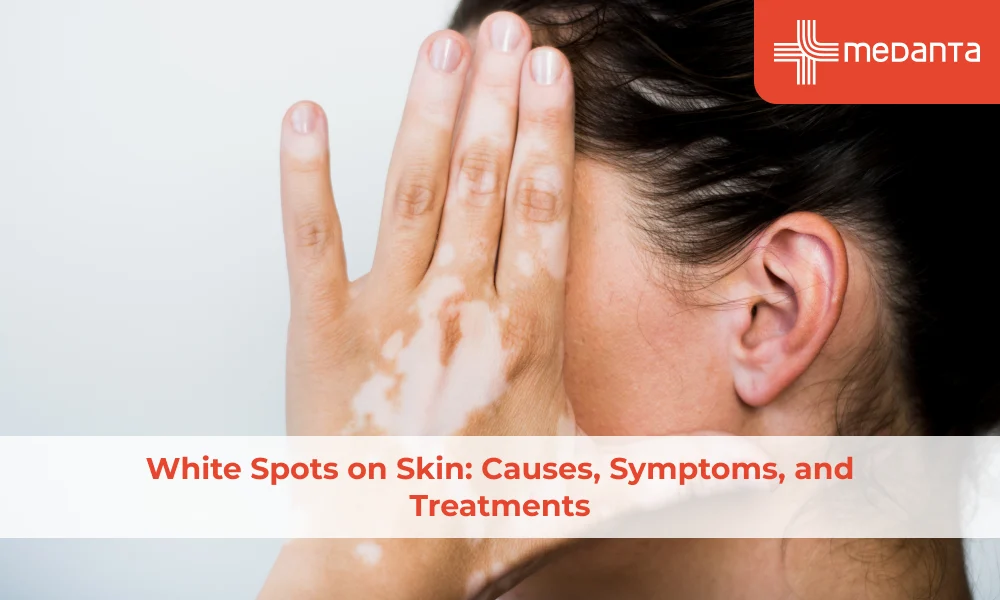
TABLE OF CONTENTS
- What Are White Spots on the Skin?
- Common Causes of White Spots on Skin
- Skin Conditions That Cause White Patches
- Symptoms to Watch Out for Along with White Spots
- How White Spots on Skin Are Diagnosed
- Available Treatments for White Spots on Skin
- Home Remedies and Skincare Tips for White Spots
- When to See a Dermatologist for White Skin Patches
- Prevention Tips to Maintain Even Skin Tone
- Conclusion
- FAQs
White spots on the skin affect millions worldwide, making many people worry even though they're usually harmless. These pale patches appear when the skin lacks melanin (the pigment that gives skin its colour). Vitiligo affects up to 1% of people globally, while conditions like pityriasis alba typically show up in children between 3 and 16 years old. These white patches might seem concerning at first but they often develop from harmless issues (it can be fungal infections or natural ageing). The body usually heals these spots without treatment. Rarely sometimes you may need medical attention. This article explains what white spots on your skin mean, their cause, and available treatments.
What Are White Spots on the Skin?
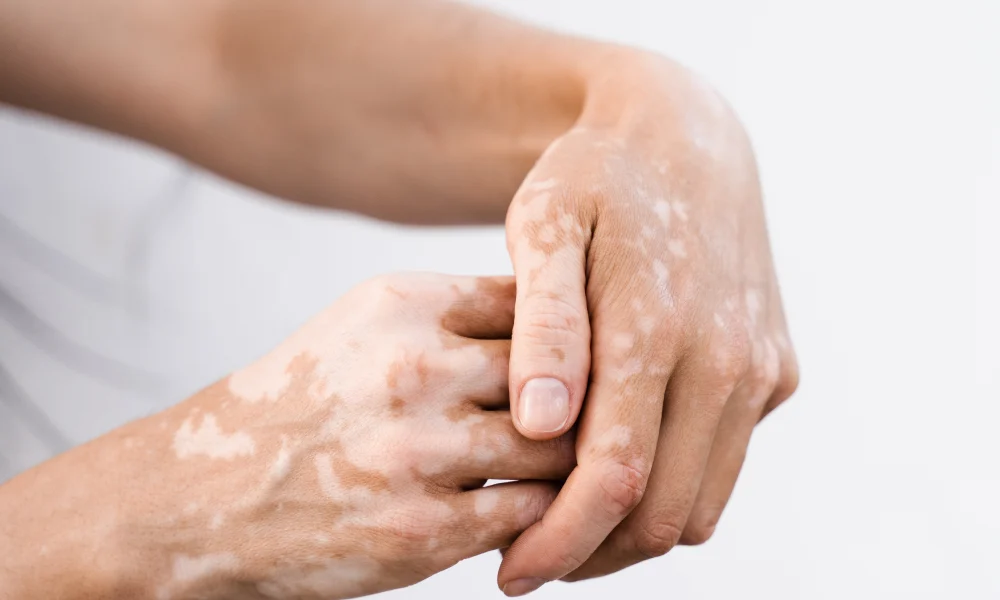
White spots appear when skin proteins become trapped beneath the surface or when your skin loses its pigmentation. These areas have fewer melanocytes (these are the cells that produce colour). The hair in affected areas might also turn white or grey. Doctors classify these areas as macules (smaller than 1cm) or patches (larger than 1cm).
The colour of your skin plays a big role in the visibility of these patches. Darker skin makes the white spots stand out more clearly. Most people notice these patches before they turn 30, and they typically appear on their hands, face & around body openings.
Common Causes of White Spots on Skin
White patches can appear for several reasons.
People often notice sunspots after age 40, first on their legs before they spread to their arms and face.
Humid environments create perfect conditions for fungal infections thus causing scaly patches.
Lack of vitamin B12 or folic acid might play a role in their development.
Skin Conditions That Cause White Patches
Vitiligo: This condition occurs when your immune system attacks melanocytes (by mistake as seen in some conditions).
Eczema: People with eczema experience skin inflammation that results in lighter patches.
Pityriasis alba: Children between 3-16 years often develop pityriasis alba, which leaves faint white spots after healing.
Symptoms to Watch Out for Along with White Spots
Keep an eye out for these signs:
Itchiness (which might show up before the skin loses colour)
Your skin loses pigment faster than normal
Matching patterns appear on both sides of your body
The condition affects your daily life and emotional wellbeing
You should see a doctor if your spots last longer than several weeks or spread faster than normal.
How White Spots on Skin Are Diagnosed
Your doctor can make an accurate diagnosis through visual examination. They use a Wood's lamp (UV light) to separate vitiligo from other skin conditions. A skin biopsy or scraping might be needed to confirm certain causes.
Available Treatments for White Spots on Skin
The right treatment depends on why it happens.
Doctors treat vitiligo with corticosteroid creams, light therapy (phototherapy) or surgery in severe cases.
Antifungal medications with selenium sulphide or ketoconazole work well for fungal infections.
You can reduce the effect of Pityriasis alba by using moisturisers (or creams with a low quantity of corticosteroids).
Home Remedies and Skincare Tips for White Spots
Your daily care routine can affect treatment results. Below are some home remedies that can give you the best results (including but not limited to):
Protect your skin with broad-spectrum sunscreen (SPF 30+) to avoid contrast between affected and normal areas
Pick fragrance-free moisturisers to improve your skin's barrier function
Stay away from harsh soaps and extreme water temperatures
Coconut oil moisturises irritated skin
Tea tree oil provides antifungal benefits
Apple cider vinegar could help restore your skin's pH balance.
When to See a Dermatologist for White Skin Patches
You should see a doctor if spots last longer than several weeks, spread faster, or cause emotional distress. Medical help becomes important if white patches show up with symptoms like fatigue or joint pain.
Prevention Tips to Maintain Even Skin Tone
Your skin benefits from staying hydrated. Sun protection helps prevent damage. A gentle skincare routine with non-irritating products keeps your skin tone even.
Conclusion
White spots on your face can be worrying at first, but most cases are harmless. These pale patches become less scary when you understand them better. Your treatment approach will be more effective once you know if the spots come from vitiligo, fungal infections or temporary inflammation.
Light-coloured areas often fade over time with proper care. Some people need medical help based on why it happens. A consistent skincare routine with gentle products helps your skin's natural healing process.
Your skin needs attentive care without harsh treatments. The right approach (whether it is medical treatment or a simple home care remedy) works well for most white spots. This lets you face the world with confidence again.
FAQs
What causes white spots to appear on the skin?
White spots develop because of melanin loss. This happens through autoimmune conditions like vitiligo that make immune cells attack melanocytes. Other causes include fungal infections, long-term sun damage, and vitamin deficiencies - your body needs B12 and folic acid.
Are white spots on the skin permanent?
The outcome depends on what caused them. Spots from fungal infections usually clear up with treatment. Vitiligo patches tend to stay permanent, though treatments can help bring back some pigmentation.
Can fungal infections cause white patches?
Yes - a condition called tinea versicolor is caused by yeast overgrowth on the skin. This common infection runs in warm, humid environments. It creates patches that look white, pink or light brown, usually appearing on your chest, back and shoulders.
How can I treat white spots on my face naturally?
Several home remedies might help. Coconut oil moisturises irritated skin, tea tree oil provides antifungal benefits and apple cider vinegar could help restore your skin's pH balance.
At what time should I see a dermatologist for white spots?
You should see a professional if spots last longer than several weeks, spread faster, cause pain or intense itching or make you feel emotionally distressed.
Are white patches a sign of vitiligo?
They could be. Vitiligo creates milky white patches (as melanocytes die or stop working). These patches often show up symmetrically on both sides of your body.
Can sun exposure cause white marks on the skin?
Yes, it can. A condition called idiopathic guttate hypomelanosis creates small white spots in areas exposed to the sun. This mostly affects people over 40.
What are the best creams or treatments for white skin patches?
Your treatment depends on the condition. Doctors use topical steroids for vitiligo, antifungal creams with ketoconazole for tinea versicolor, and light therapy (phototherapy) helps extensive vitiligo cases.