1068
1068
 Request Call Back
 Contact
 1068
1068
Implantation Bleeding: Early Signs of Pregnancy You Should Know
Published on: Mar 30, 2026
TABLE OF CONTENTS
Implantation bleeding affects approximately 1 in 3 or 4 pregnant women during early pregnancy. This light spotting happens when a fertilised egg attaches itself to the wall of the uterus marking the start of pregnancy. Most women experience this between their 4th and 6th week of pregnancy.
The few drops of blood often mislead women into thinking their period has started. Regular menstrual flow differs from implantation bleeding, which appears pink or brown instead of bright red. Women typically notice just a few spots that won't fill a pad or tampon. The duration varies among individuals. Some experience it briefly while others might see spotting for several days.
Expectant mothers can better distinguish normal changes from concerning symptoms if they understand this early pregnancy sign. This article explains what implantation bleeding is, the symptoms associated with it, and when to see a doctor.
What Is Implantation Bleeding?
Light spotting occurs when a fertilised egg attaches to the uterine lining - this is implantation bleeding. This process typically occurs 6-12 days after conception and 10-14 days after ovulation. The spotting stays minimal and brief, lasting no longer than 48 hours, which makes it different from regular periods.
Common Symptoms of Implantation Bleeding
Light vaginal spotting appears with these characteristics:
Pink or brown in colour, not bright red
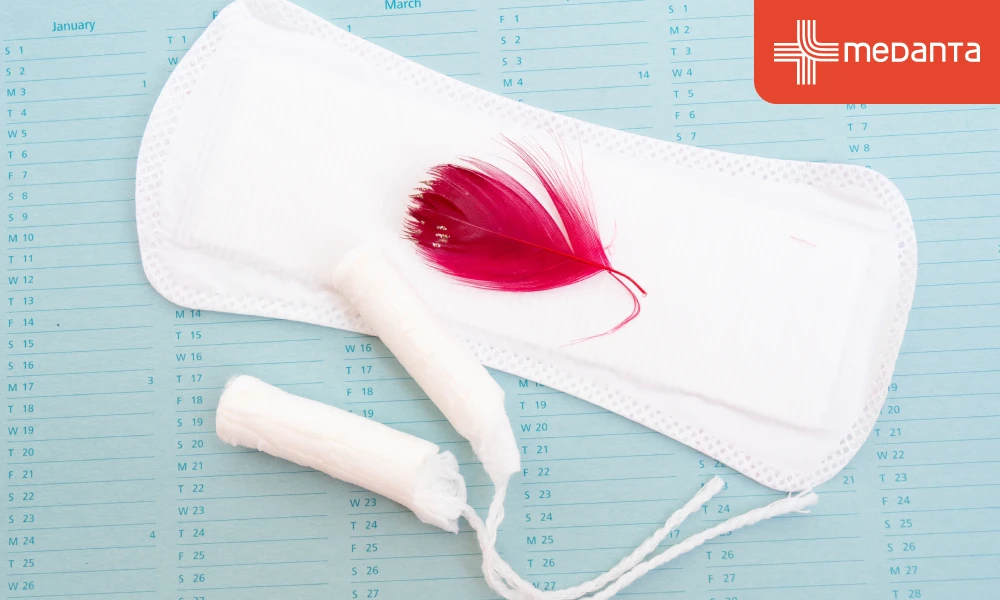
Very light - just a few drops that won't fill a pad
Spotting comes and goes rather than flowing continuously
Mild cramping might occur (lighter than period cramps)
Women might also notice breast tenderness, fatigue, headaches, or nausea as early pregnancy signs.
Causes of Implantation Bleeding
Your uterine lining's blood vessels play a key role here. The fertilised egg creates tiny disruptions in these vessels as it burrows into the lining, which leads to minor bleeding. This moment marks the first physical bond between mother & embryo.
When to See a Doctor
Contact your doctor if you notice:
Heavy bleeding with clots that resemble a period
Severe pain in your abdomen or pelvis
Bleeding that lasts more than two days
Feeling dizzy or weak with bleeding.
These symptoms could point to complications like ectopic pregnancy or miscarriage.
Diagnosis of Implantation Bleeding
Doctors identify implantation bleeding by looking at:
Blood's colour & consistency
How often you see spotting
Amount of the blood
When it happens compared to the expected period.
A pregnancy test right after spotting might not help because hormone levels stay too low to detect. Results become more accurate when you wait a few days after the bleeding stops.
Treatment Options
Implantation bleeding typically needs no specific treatment. The spotting goes away by itself within a couple of days. You can take these simple care steps:
Use a panty liner instead of tampons
Get enough rest and avoid hard physical activity
Watch your symptoms for changes.
Tips to Maintain Early Pregnancy Health
Once pregnancy is confirmed, you should create the right environment to support implantation and development:
Drink 8-10 glasses of water daily
Choose foods rich in folic acid, iron, and protein
Keep stress levels low through gentle activities like meditation or light yoga
Get regular sleep to help balance your hormones.
You should see a doctor right away if bleeding becomes heavy, lasts more than two days, or comes with severe cramping.
Conclusion
Understanding implantation bleeding helps expectant mothers tell the difference between normal pregnancy signs and concerning symptoms. This light spotting affects roughly one-third of pregnant women, yet many mistake it for their period. Remember that implantation bleeding appears pink or brown, stays minimal and rarely continues beyond 48 hours. Of course, any unusual bleeding can feel scary in early pregnancy stages. Grasping this natural part of conception brings peace of mind.
Each pregnancy experience is different, so trust your instincts about physical changes. Being aware of your unique symptoms matters. Knowledge about implantation bleeding and proper self-care will help you guide through these early pregnancy days with more confidence.
FAQs
What is implantation bleeding?
A fertilised egg attaches to your uterus's lining and causes implantation bleeding. Small blood vessels break down during this process and create light spotting. This natural occurrence affects 1 out of 4 pregnant women. Your body shows one of its earliest physical signs that conception has happened.
When does implantation bleeding occur?
The spotting shows up 10-14 days after conception, right around the time your next period would start. Women notice it before their morning sickness begins, usually 6-12 days after ovulation. The timing makes it easy to confuse implantation bleeding with menstruation.
How long does implantation bleeding last?
The bleeding stays brief and lasts from a few hours to three days at most. Most women see spotting for just a day or two. Your regular period, however, typically continues for 5-7 days.
What colour is implantation bleeding?
The blood appears pinkish-brown instead of bright red. Some women's spotting looks rusty brown or dark brown. Blood turns more brownish as time passes due to oxidation.
How is implantation bleeding different from periods?
Your period and implantation bleeding have clear differences:
The flow stays lighter without clots
You see spotting instead of consistent bleeding
The cramps feel milder and don't last as long.
The duration ranges from 1-3 days compared to a period's 3-7 days.
Does implantation bleeding confirm pregnancy?
A single instance of spotting cannot confirm pregnancy. While implantation bleeding occurs during early pregnancy only 15-25% of pregnant women experience it. You need a positive pregnancy test or a blood test after the bleeding stops to confirm your pregnancy.
Can implantation bleeding have cramps?
Mild cramping typically occurs with implantation bleeding. The sensations feel much gentler than regular period cramps. You should seek immediate medical attention if you experience severe pain with bleeding, as this might signal complications.
Is implantation bleeding common?
Studies show that 15-25% of women notice implantation bleeding in early pregnancy. Most pregnant women do not experience any spotting.
Should I take a pregnancy test after implantation bleeding?
The best time to test is 3 to 5 days after implantation bleeding stops. Early testing often gives false negatives because your body needs time to produce detectable pregnancy hormone (hCG) levels. Your most accurate results come after your missed period.
When should bleeding in early pregnancy be a concern?
Immediately get medical help if you experience:
Heavy bleeding (enough to soak through pads)
Bright red blood or clots
Severe pain or cramping
Dizziness or fainting
One-sided abdominal pain.