1068
1068
 Request Call Back
 Contact
 1068
1068
How to Relax Your Mind and Body: Simple Relaxation Techniques That Work
Published on: Sep 15, 2026
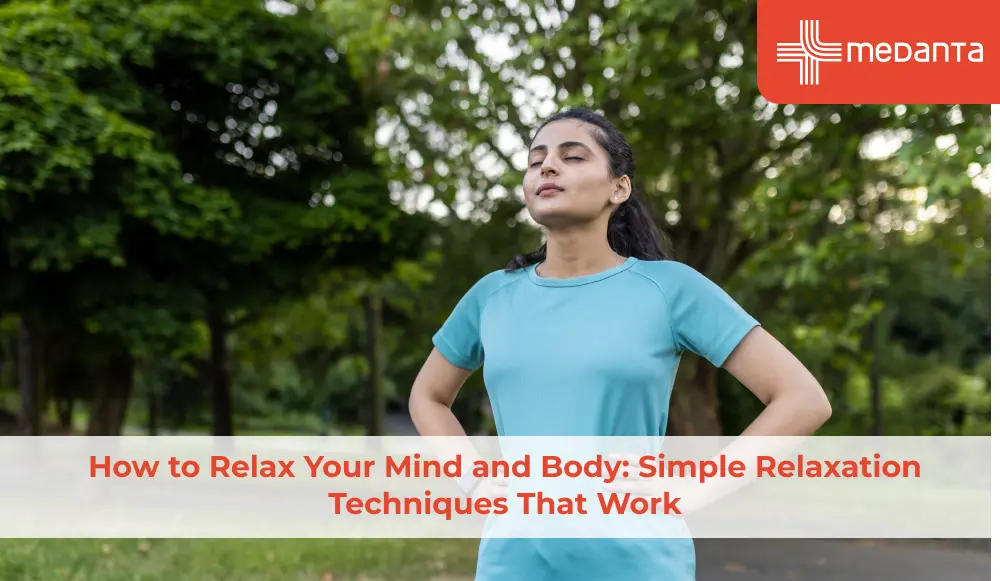
TABLE OF CONTENTS
- What Happens to the Body Under Stress
- Best Relaxation Techniques to Calm Your Mind
- Relaxation Exercises for Anxiety
- Breathing and Meditation Methods to Relax Instantly
- Peaceful Activities to Unwind After a Long Day
- Lifestyle Habits That Help You Relax
- Relaxation Therapy - When to Consider Professional Help
- Daily Habits That Keep You Calm Long-Term
- Conclusion
- FAQs
- References
The ability to genuinely relax is not a luxury but a health skill. In India, where daily life involves managing work pressure, traffic, family obligations and financial stress, chronic stress has become one of the most significant contributors to physical and mental illness.
True relaxation involves a physiological shift in the body - the activation of the parasympathetic nervous system, a drop in cortisol and adrenaline, a slowing of the heart rate and a reduction in muscle tension. Learning evidence-based techniques to achieve this state is one of the most useful things anyone can do for their long-term health.
What Happens to the Body Under Stress
Understanding how stress affects the body helps explain why relaxation techniques work and why chronic stress is dangerous.
The stress response and relaxation response: When the brain perceives a threat whether a work deadline or a traffic jam the adrenal glands release adrenaline and cortisol. Adrenaline raises the heart rate and blood pressure and redirects blood flow from the digestive system to the muscles. When the stress response is activated continuously, the sustained rise in cortisol suppresses the immune system, disrupts sleep, raises blood pressure and significantly increases the risk of type 2 diabetes, heart disease, and depression. Whereas the relaxation response is the physiological opposite of this state and characterised by a decrease in heart rate, breathing rate and blood pressure, along with an increase in calm alpha brain waves. Specific relaxation techniques reliably trigger this response.
Best Relaxation Techniques to Calm Your Mind
Research consistently shows that certain relaxation techniques produce measurable physiological changes and are more effective than simply resting.
Progressive muscle relaxation (PMR): PMR involves systematically tensing and then releasing muscle groups throughout the body, starting from the feet and working upward to the face. The deliberate contrast between tension and release teaches the body to recognise and let go of physical tension and PMR has been shown in multiple clinical trials to reduce anxiety, lower blood pressure and improve sleep quality.
Mindfulness meditation: Mindfulness involves paying deliberate, non-judgemental attention to the present moment typically the breath, bodily sensations or sounds. If you are doing it consistently daily for as little as 10 minutes per day reduces activity in the amygdala (the brain's stress centre), lowers cortisol levels and improves emotional regulation.
Relaxation Exercises for Anxiety
Anxiety involves both mental worry and physical symptoms like a racing heart, tight chest & shallow breathing. The most effective relaxation exercises for anxiety address both the physical and cognitive components.
The 5-4-3-2-1 grounding technique: When anxiety is acute this technique redirects attention from worried thoughts to the present sensory environment: identify five things you can see, four things you can touch, three things you can hear, two things you can smell and one thing you can taste. This activates the prefrontal cortex and quiets the amygdala's alarm response.
Box breathing (square breathing): Inhale slowly for four counts, hold for four counts, exhale for four counts, hold for four counts and repeat four times. With this technique you can activate the vagus nerve through controlled exhalation triggering the parasympathetic nervous system and reducing heart rate within minutes.
Breathing and Meditation Methods to Relax Instantly
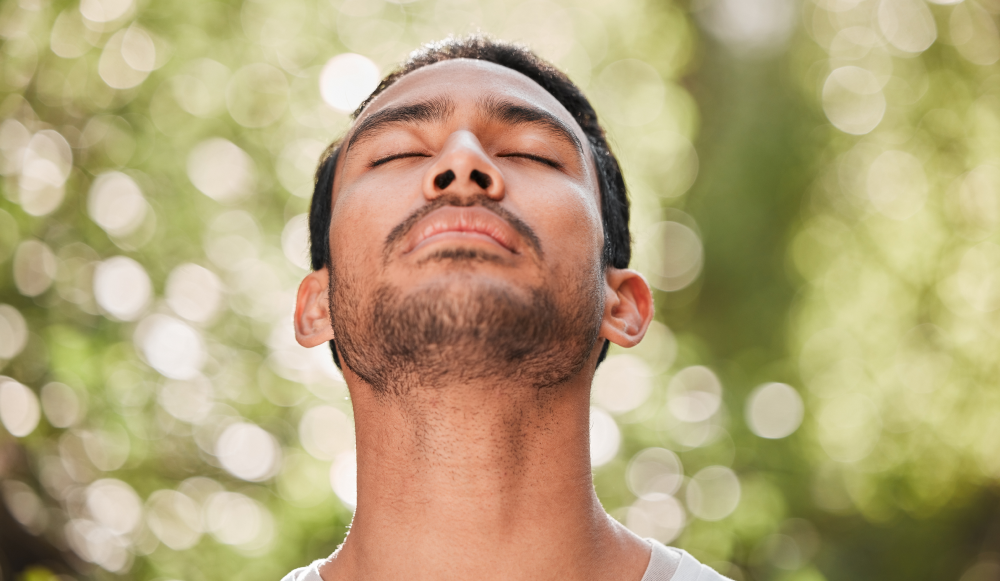
Breathing is the only autonomic body function that can be consciously controlled, making it the most direct and immediate pathway to the relaxation response.
4-7-8 breathing: Inhale through the nose for four counts, hold the breath for seven counts and exhale slowly through the mouth for eight counts. The extended exhalation activates the parasympathetic nervous system and can produce noticeable relaxation within two to three complete cycles particularly useful for falling asleep.
Anuloma Viloma (alternate nostril breathing): This pranayama practice involves closing the right nostril with the right thumb, inhaling through the left nostril then closing the left nostril and exhaling through the right nostril then reversing this sequence. Modern research has validated Anuloma Viloma as an effective way to reduce blood pressure, improve heart rate variability and calm the nervous system.
Peaceful Activities to Unwind After a Long Day
Not all relaxation needs to be formal practice. Certain everyday activities reliably reduce stress hormones and activate the relaxation response.
Walking in nature: According to various studies walking in green spaces reduces cortisol levels and lowers blood pressure more effectively. Even a 20-minute evening walk in a public garden or along a tree-lined road can produce measurable stress reduction.
Reading and creative hobbies: Reading a physical book for as little as six minutes has been shown in a study to reduce stress markers by a lot. Creative activities such as drawing, gardening, cooking or writing engage focused attention in a low-pressure context, producing a mild flow state that is incompatible with rumination and anxiety.
Lifestyle Habits That Help You Relax
Sustainable relaxation is supported by lifestyle choices that regulate the nervous system around the clock, not just during dedicated practice sessions.
Regular physical activity: Exercise metabolises adrenaline and cortisol, stimulates the release of endorphins and improves sleep quality (all of which contribute to a calmer baseline state). In India we have a tradition of morning walks and yoga (a way of physical activity that combines movement with breath control and cultural familiarity).
Sleep hygiene and diet: Chronic sleep deprivation keeps cortisol elevated and makes the brain significantly more reactive to stress. A consistent sleep schedule, a cool and dark bedroom, avoiding screens for 30 minutes before bed and a warm glass of turmeric milk (haldi doodh) all support restorative sleep.
Relaxation Therapy - When to Consider Professional Help
Relaxation therapy is a structured therapeutic approach in which a trained therapist guides a patient through relaxation techniques as part of a broader treatment programme for anxiety, depression, chronic pain or high blood pressure.
Consider seeking professional help if your stress or anxiety is affecting your work, relationships, sleep or physical health. Cognitive behavioural therapy (CBT), mindfulness based stress reduction (MBSR) and biofeedback therapy are scientifically proven relaxation techniques.
Daily Habits That Keep You Calm Long-Term
Building a calmer nervous system over time requires consistent daily practice rather than occasional bursts of relaxation.
Start the morning without a screen: Checking a phone within the first 15 minutes of waking activates the stress response by exposing the brain to emails, news and social media notifications before the nervous system has fully come online. A morning routine that begins with water, stretching, pranayama or a brief walk sets a calmer tone for the day.
End the day with a wind-down ritual: A consistent evening wind-down ritual signals to the nervous system that the day's demands are over and sleep is approaching. This might include a warm shower, gentle stretching, writing three things you are grateful for and drinking herbal tea (tulsi, ashwagandha or chamomile).
Conclusion
Learning to relax is an active skill that can be developed with practice. Various techniques ranging from box breathing and yoga nidra to progressive muscle relaxation and nature walks all supported by scientific evidence and are accessible without expensive equipment or specialist training. Begin with one technique that fits naturally into your existing routine and practise it consistently for two to three weeks before evaluating its effect. Consistency matters far more than perfection. If your stress or anxiety is severe or persistent, reach out to a qualified mental health professional - support is available, and effective treatment is accessible.
FAQs
How can I relax my mind quickly?
The fastest way to relax the mind is to control the breath. Box breathing (inhale for four counts, hold for four, exhale for four, hold for four) or the 4-7-8 technique (inhale for four, hold for seven, exhale for eight) activate the parasympathetic nervous system within two to three cycles and can produce noticeable calm within minutes.
What are the best relaxation techniques for stress?
The techniques with the strongest scientific evidence for stress reduction are progressive muscle relaxation, mindfulness meditation, diaphragmatic breathing, yoga nidra and regular aerobic exercise. A combination of a daily breathing practice and regular physical activity produces the most sustained reduction in stress and cortisol levels.
How can I relax my body after a stressful day?
A warm shower or bath reduces muscle tension and lowers core body temperature in a way that promotes sleep. Progressive muscle relaxation done lying down systematically releases physical tension from every muscle group. Gentle yoga stretches like forward folds, child's pose and legs-up-the-wall activate the parasympathetic nervous system and are effective after-work relaxation practices.
What relaxation exercises help with anxiety?
Box breathing, the 5-4-3-2-1 grounding technique, body scan relaxation and progressive muscle relaxation are all effective for anxiety because they address both the physical (heart rate, muscle tension) and cognitive (thought loops, rumination) levels simultaneously.
Does deep breathing really help you relax?
Yes deep, slow breathing directly activates the vagus nerve through a process called respiratory sinus arrhythmia. Extended exhalation signals to the brain that it is safe to relax. Research confirms that even two to three minutes of slow, controlled breathing produces measurable reductions in heart rate, blood pressure and cortisol levels.
What are some peaceful things to do to de-stress?
Walking in a green space, listening to calming music, reading a physical book, gardening, cooking, drawing, spending time with close friends or family and drinking herbal tea (tulsi, ashwagandha, or chamomile) are all evidence-supported activities that reduce cortisol.
How long does it take to feel relaxed using meditation?
Most people notice some immediate benefit from even a single meditation session. Significant and sustained reductions in anxiety and cortisol levels typically require a consistent practice of 10 to 20 minutes per day for two to four weeks. Brain imaging studies show measurable structural changes in the stress-regulation circuits of the brain after eight weeks of consistent mindfulness practice.
What is relaxation therapy?
Relaxation therapy is a structured therapeutic approach in which a trained therapist guides a patient through relaxation techniques including progressive muscle relaxation, diaphragmatic breathing, guided imagery and mindfulness as part of a treatment programme for anxiety, depression, chronic pain or hypertension.
Can relaxation techniques lower blood pressure?
Yes clinical trials have demonstrated that diaphragmatic breathing, progressive muscle relaxation and transcendental meditation produce significant reductions in systolic and diastolic blood pressure in people with hypertension. The effect is most pronounced with consistent daily practice over several weeks.
What is the fastest way to calm an anxious mind?
The fastest evidence-based approach is controlled breathing - box breathing or the 4-7-8 technique which can shift the nervous system out of fight-or-flight within two to three minutes. The 5-4-3-2-1 grounding technique is also highly effective by redirecting attention from worried thoughts to immediate sensory experience. Cold water splashed on the face activates the dive reflex, rapidly lowering heart rate.
What exercises help relax the body?
Yoga, swimming, walking in nature and tai chi are the exercises most consistently associated with relaxation because they combine physical movement with breath control and present-moment focus. Even brisk walking for 20 to 30 minutes reduces adrenaline and cortisol, improves mood through endorphin release and produces measurable relaxation within the hour following exercise.
References
1. Benson H, Beary JF, Carol MP. The relaxation response. Psychiatry. 1974;37(1):37–46. https://doi.org/10.1080/00332747.1974.11023785
2. Goyal M, Singh S, Sibinga EM, et al. Meditation programs for psychological stress and well-being: a systematic review and meta-analysis. JAMA Intern Med. 2014;174(3):357–68. https://doi.org/10.1001/jamainternmed.2013.13018
3. Seppälä EM, Nitschke JB, Tudorascu DL, et al. Breathing-based meditation decreases posttraumatic stress disorder symptoms in US military veterans: a randomised controlled longitudinal study. J Trauma Stress. 2014;27(4):397–405. https://doi.org/10.1002/jts.21936
4. Jacobson E. Progressive relaxation. Am J Psychol. 1925;36(1):73–87. https://doi.org/10.2307/1414794
5. Park BJ, Tsunetsugu Y, Kasetani T, et al. The physiological effects of Shinrin-yoku (taking in the forest atmosphere or forest bathing): evidence from field experiments in 24 forests across Japan. Environ Health Prev Med. 2010;15(1):18–26. https://doi.org/10.1007/s12199-009-0086-9