1068
1068
 Request Call Back
 Contact
 1068
1068




Among first in India to use vasculomimetic stents in the femoral artery
Tailored treatments that fit your unique needs and preferences
Dedicated team providing world-class care for children with neurological conditions
Leading the way in genetic testing and personalized treatment plans
Specialized units and top-notch expertise for critical neurological conditions
Unmatched stroke intervention with Telestroke
Medanta Institute of Neurosciences is an integrated institute that aims to provide comprehensive, multidisciplinary, multispeciality care for all disorders of the brain and spine, including cancers. The institute has a team of highly qualified neurologists, neurosurgeons, neurointerventionists, neuro-anaesthetists, and dedicated neuro critical care specialists, neuropsychologist and neuropsychiatrists. The institute operates specialised clinics for brain tumours, spinal disorders, stroke, epilepsy, movement disorders and headaches. We also provide specialized services and protocols for emergency management of stroke and other neurological trauma.
At Medanta Noida, our vision is to give comprehensive and advanced neurosurgical care using minimally invasive and endoscopic techniques prioritising neurological preservation. A Close coordination with other neurospecialists such as neurology, neuro-radiologists, neuro-anaesthetists, critical care team, and rehabilitation specialists, helps in planning every case with focus on safety, precision and return to meaningful quality of life.

Fostering Neurological Wellness with Cutting-Edge Expertise
Fostering Neurological Wellness with Cutting-Edge Expertise
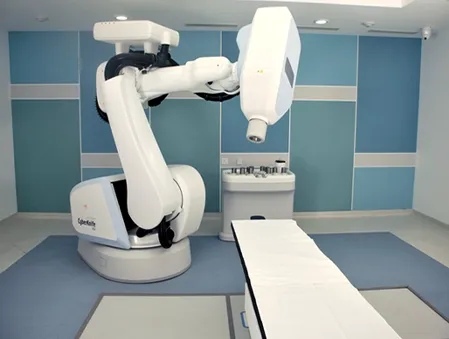
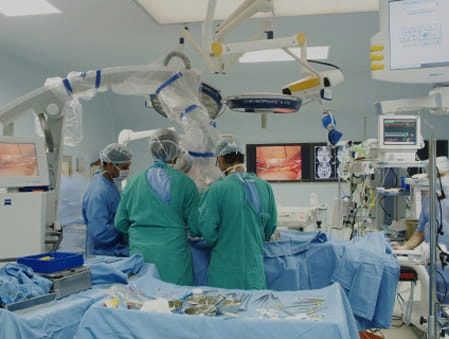
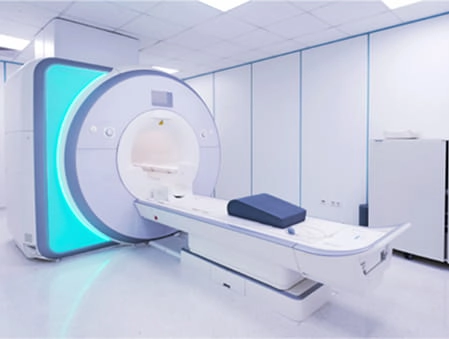
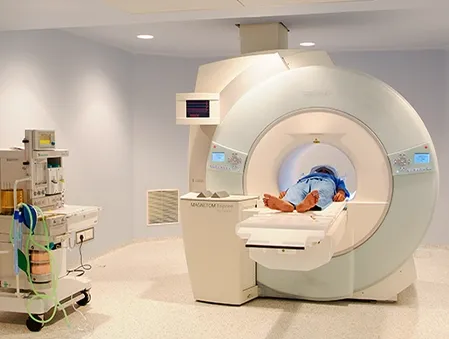
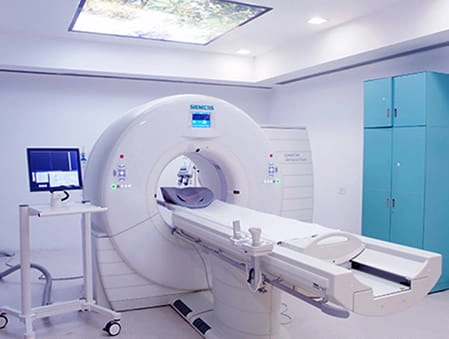
Our Neurosciences department utilises cutting-edge technology like:
- CyberKnife VSI
- BrainSUITE with Intra-Operative Imaging OT
- O-Arm (Spine Suite)
- 3.0 Tesla MRI
- 256 Slice CT
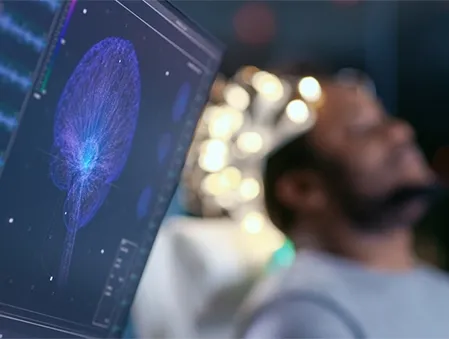
- Electroencephalography(EEG)