1068
 Request Call Back
 Contact
 1068
How to Manage Chronic Conditions During Festivals: Diet, Medication and Health Check-ups
Published on: Nov 16, 2026
TABLE OF CONTENTS
- Common Chronic Conditions That Need Extra Care During Festivals
- How to Plan a Healthy Festive Diet with Chronic Conditions
- Managing Diabetes and Blood Sugar During Festive Celebrations
- Tips to Control Blood Pressure During Festivals
- Why You Should Continue Taking Prescribed Medications
- How to Manage Medication Timings During Festival Gatherings
- The Importance of Regular Health Check-ups for Chronic Conditions
- Physical Activity, Sleep and Stress Management During Festivals
- Warning Signs That Require Medical Attention During Festivals
- Conclusion
- FAQs
- References
Chronic conditions like diabetes, hypertension, heart disease, asthma, chronic kidney disease and thyroid disorders require consistent daily management that India's festive season systematically disrupts. Meal timing shifts, medication schedules slip, sleep shortens & physical activity stops. A controlled parameter can slip into dangerous territory; when clinical discipline lapses, the outcome can be an acute episode or hospitalisation that basic precautions would have prevented.
Managing a chronic condition during festivals is not about abstaining but it is about maintaining the structure that makes full participation safe. With millions of people living with diabetes and similar numbers with hypertension, the adjustments required are modest and the consequences of ignoring them are not.
Common Chronic Conditions That Need Extra Care During Festivals
They are:
Diabetes: Festive sweets, irregular meal timing, reduced activity and fasting all destabilise blood glucose; both hyperglycaemia from carbohydrate excess and hypoglycaemia from missed meals are genuine risks.
Hypertension: High-sodium snacks, alcohol, sleep deprivation and social stress raise blood pressure acutely; controlled patients may see significant spikes with no warning symptoms.
Heart Disease and Heart Failure: Salt loading, alcohol, exertion and missed cardiac medications can trigger acute coronary events, arrhythmias or decompensated heart failure during the festive period.
Asthma and COPD: Firework smoke, incense, crowd exposure and cold air are potent bronchospasm triggers. People with respiratory conditions face the highest acute risk during Diwali and winter festivals.
Chronic Kidney Disease and Thyroid Disorders: High-protein and high-sodium festive foods stress impaired kidneys; irregular levothyroxine timing (which must be taken fasting or 30 minutes before food) disrupts thyroid hormone stability.
How to Plan a Healthy Festive Diet with Chronic Conditions
Dietary planning should begin before the first celebration. Identify upcoming events, anticipate the food environment and decide in advance what you will eat; planning ahead creates a buffer against social pressure to eat indiscriminately.
Eat a small protein-rich snack before attending gatherings to reduce appetite and blunt glucose or blood pressure spikes. Load your plate with salads, lentils and vegetables first; add smaller portions of high-risk items. Drink water consistently to offset sodium from high salt snacks. Skipping regular meals to save calories causes a metabolic swing more damaging than the feast itself.
Tips to Control Blood Pressure During Festivals
Effective tips are:
Restrict sodium: Identify the main sodium sources at festive gatherings (namkeen, chakli, mathri, pickles) and limit combined intake to one small serving per event.
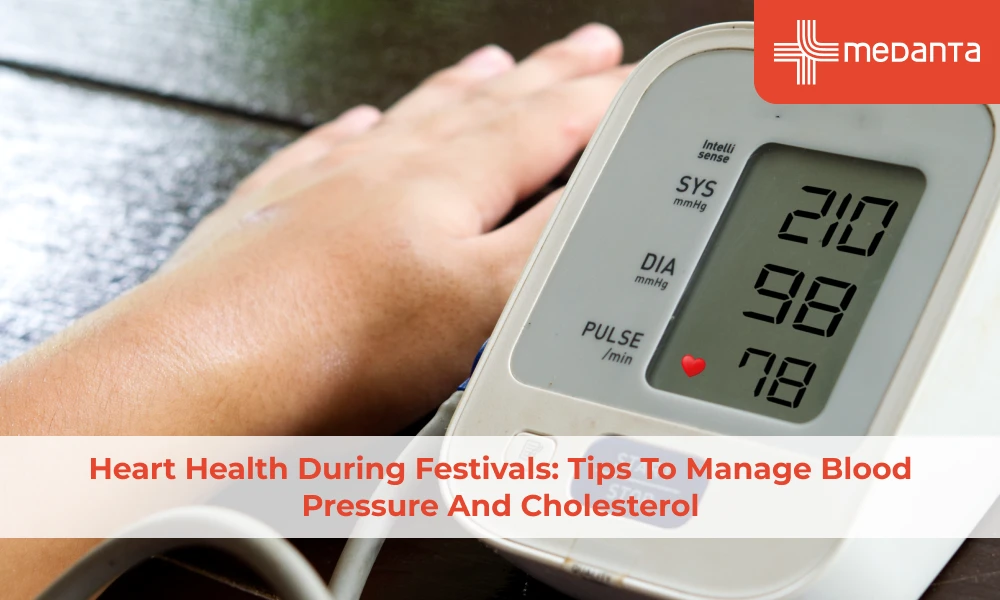
Monitor at home before attending events: If resting blood pressure exceeds 150/90 mmHg on the day consider modifying attendance plans and contacting your doctor.
Antihypertensive medications must not be skipped: Take them at their usual time regardless of event schedules; if the timing conflicts with a celebration ask your doctor about shifting the dose by one to two hours.
Limit alcohol strictly: Even one to two drinks raises blood pressure acutely in hypertensives; for those with uncontrolled hypertension, abstinence is the correct position.
Get adequate sleep: Aim for seven hours minimum; late nights during the festive season are among the most reliable drivers of blood pressure elevation over the season.
Why You Should Continue Taking Prescribed Medications

Medication discontinuation is the most common and most preventable cause of acute deterioration during festivals. The pharmacological effect reverses within hours to days of a missed dose; blood pressure, glucose or cardiac rhythm responds accordingly. For antihypertensives, antiplatelets, anticoagulants and antiarrhythmics, a single missed dose creates a vulnerability window. Levothyroxine missed for days shifts TSH measurably. Statins work cumulatively; interruption reverses LDL benefit within days. The festive season is precisely when the body faces the highest metabolic load the worst time to reduce the pharmacological support managing it.
How to Manage Medication Timings During Festival Gatherings
Set phone alarms: One alarm per medication per dose time. A phone alarm overrides festive distraction reliably; a mental note does not.
Pack a week's supply in advance: Pharmacy access during festivals is unreliable; prepare a labelled weekly pill organiser before the season begins.
Carry medications on your person: Checked baggage, car boots and temple cloakrooms are not reliable medication storage during festival outings.
Know food requirements: Levothyroxine needs thirty minutes fasting before the first meal; metformin and some antihypertensives should be taken with food. Festive meal timing shifts make it especially important to maintain this distinction.
Inform a trusted family member: A spouse or adult child who checks at medication time reduces distraction-related misses especially for elderly patients.
The Importance of Regular Health Check-ups for Chronic Conditions
Regular health check-ups give:
Pre-festive baseline: A check-up two to three weeks before the season for glucose, HbA1c, blood pressure, lipid profile and kidney function identifies parameters that are not in range before excess worsens them.
Post-festive review: One to two weeks after festivities detects accumulated metabolic changes like cholesterol rises, glucose deterioration & blood pressure shifts before they become persistent.
Medication review: The pre-festive appointment is the time to ask whether current doses adequately protect during a period of known excess; some physicians adjust doses proactively.
Complication screening for diabetics: Annual eye, foot and kidney checks should not be displaced by festival scheduling; microvascular damage progresses silently and requires regular monitoring.
Physical Activity, Sleep and Stress Management During Festivals
Twenty to thirty minutes of brisk walking daily maintains insulin sensitivity, offsets caloric excess and reduces cortisol. Walking between venues, climbing stairs or a morning yoga session are all realistic options within the festive schedule.
Sleep below six hours raises cortisol, blood pressure and fasting glucose. Late nights are inevitable; maintaining a consistent wake time limits the impact more than going to bed early. Preparation stress is a genuine blood pressure and glucose driver; delegating tasks and scheduling brief rest periods are clinically relevant, not optional.
Warning Signs That Require Medical Attention During Festivals
Warning signs are:
Blood glucose below 70 mg/dL or above 300 mg/dL: Hypoglycaemia causes shakiness, sweating and confusion. Severe hyperglycaemia causes nausea, thirst and blurred vision that require immediate management.
Chest pain, breathlessness or palpitations after exertion, a heavy meal or alcohol: These may indicate a cardiac event or arrhythmia call emergency services rather than waiting.
Blood pressure above 180/110 mmHg: Requires same-day medical review. If it is accompanied by severe headache, visual disturbance or altered consciousness, go directly to the emergency department.
Worsening breathlessness in asthma or COPD: Use a reliever inhaler immediately; if relief is incomplete within fifteen minutes, seek emergency care.
Sudden significant swelling of feet or abdomen: Indicates fluid retention beyond compensatory capacity contact the doctor immediately.
Altered mental status, slurred speech or sudden limb weakness: Stroke symptoms requiring emergency care within minutes; time to treatment determines outcome.
Conclusion
Managing a chronic condition during festivals means maintaining the clinical structure that keeps the condition controlled while everything else changes. Medication continues without interruption. Diet requires prior planning rather than in-the-moment willpower. Blood glucose and blood pressure are monitored more during high-intake periods. A multidisciplinary team including endocrinology, cardiology, pulmonology and nephrology offers pre-festive reviews to assess risk and ensure patients enter the season with the strongest possible clinical foundation.
FAQs
How can I attend late-night celebrations without disturbing my treatment routine?
Set medication alarms on your phone timed to your usual schedule. Eat a small protein-rich meal before attending to stabilise blood glucose. Plan a consistent wake time to limit sleep disruption even after late nights.
What should I do if I accidentally miss a dose of my regular medication during a festival?
Take the missed dose as soon as you remember unless it is nearly time for the next one never double the dose. For anticoagulants, insulin or cardiac medications, contact your doctor for specific guidance.
Can travelling during festivals worsen existing chronic health conditions?
Travel disrupts meal timing, medication schedules, sleep and monitoring access. Carry an adequate medication supply, your prescription list and your doctor's contact number with you. Stay hydrated and avoid high-sodium travel food.
How should I store medicines when travelling during hot weather?
Most tablets require storage below 25°C. Insulin must remain at 2–8°C unopened or below 25°C once in use. Use an insulated medication pouch. Never leave medications in a locked car where temperatures routinely exceed 40°C.
What precautions should people with asthma take around festive smoke and pollution?
Carry a reliever inhaler at all times during Diwali. Use an N95 mask outdoors during peak firework hours. Pre-dose with a preventer inhaler if prescribed. Stay indoors between 10 pm and midnight when PM2.5 is typically highest.
How can elderly family members with chronic illnesses celebrate festivals safely?
Designate a family member to manage their medication schedule. Avoid crowded or smoky venues for those with respiratory or cardiac conditions. Ensure adequate seating & hydration. Keep a written medication list on them during all outings.
Is it safe to change my prescribed diet during family gatherings?
One festive meal daily with portion control causes less harm than restriction followed by excess. However those on renal diets, warfarin or insulin dependent diabetes regimens should not modify dietary intake without specific doctor guidance.
What medical information should I carry when travelling with a chronic condition?
Carry a written list of medications (names, doses, frequency), your diagnosis, your doctor's contact, drug allergies and blood group. Diabetics should add target glucose ranges and hypoglycaemia management instructions.
How can caregivers help family members manage chronic illnesses during festivals?
Set shared medication reminders. Identify lower sodium, lower-sugar options at gatherings. Monitor for fatigue, swelling, breathlessness or confusion. Know the nearest hospital location and keep emergency contact numbers accessible throughout the season.
When should a person with a chronic condition avoid attending crowded celebrations?
Avoid crowded events when blood pressure exceeds 160/100 mmHg, blood glucose is uncontrolled, active respiratory infection is present or after recent hospitalisation. Immunocompromised patients like post-transplant, on chemotherapy or long-term steroids should avoid large indoor gatherings.
References