1068
 Request Call Back
 Contact
 1068




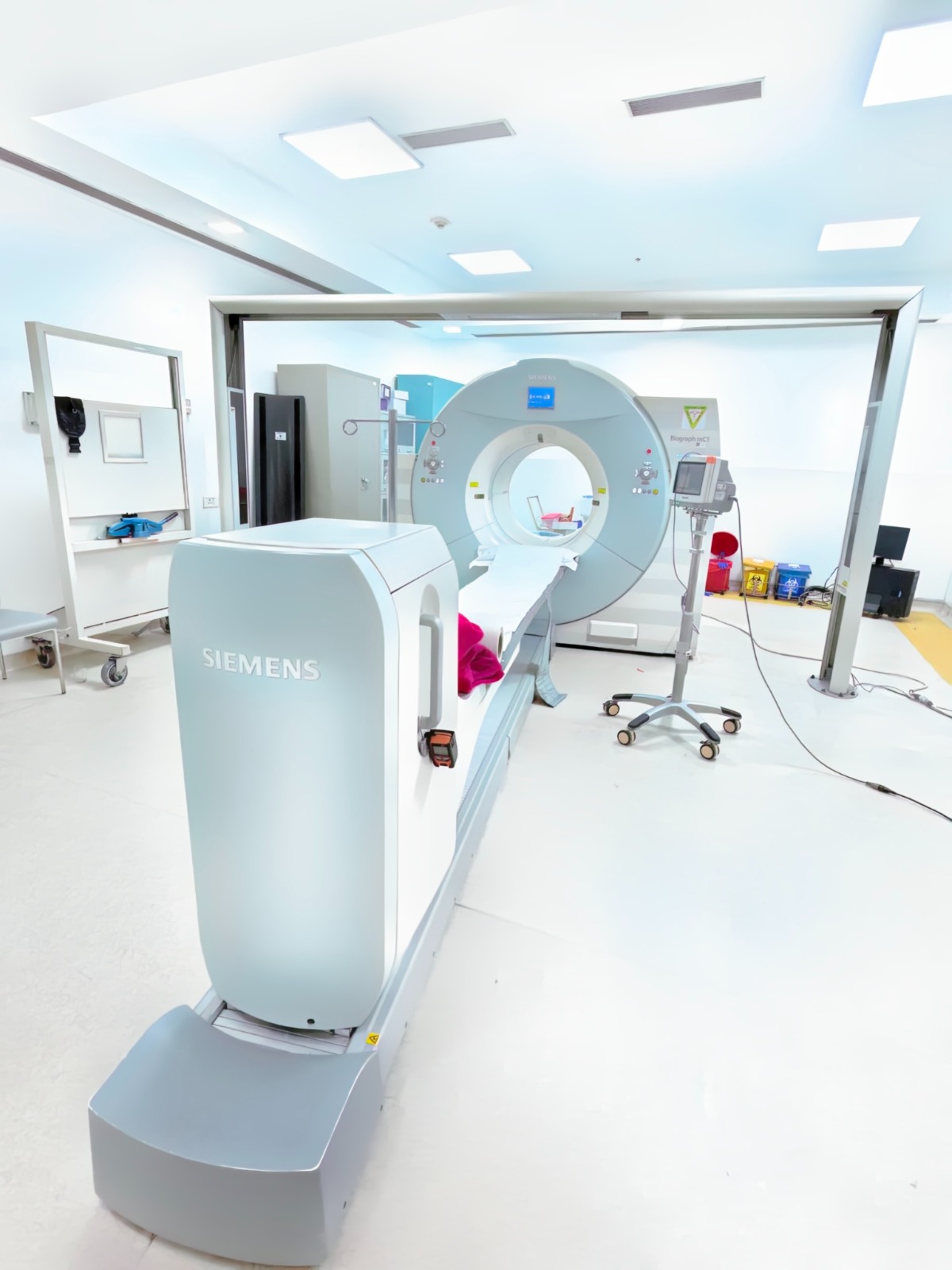
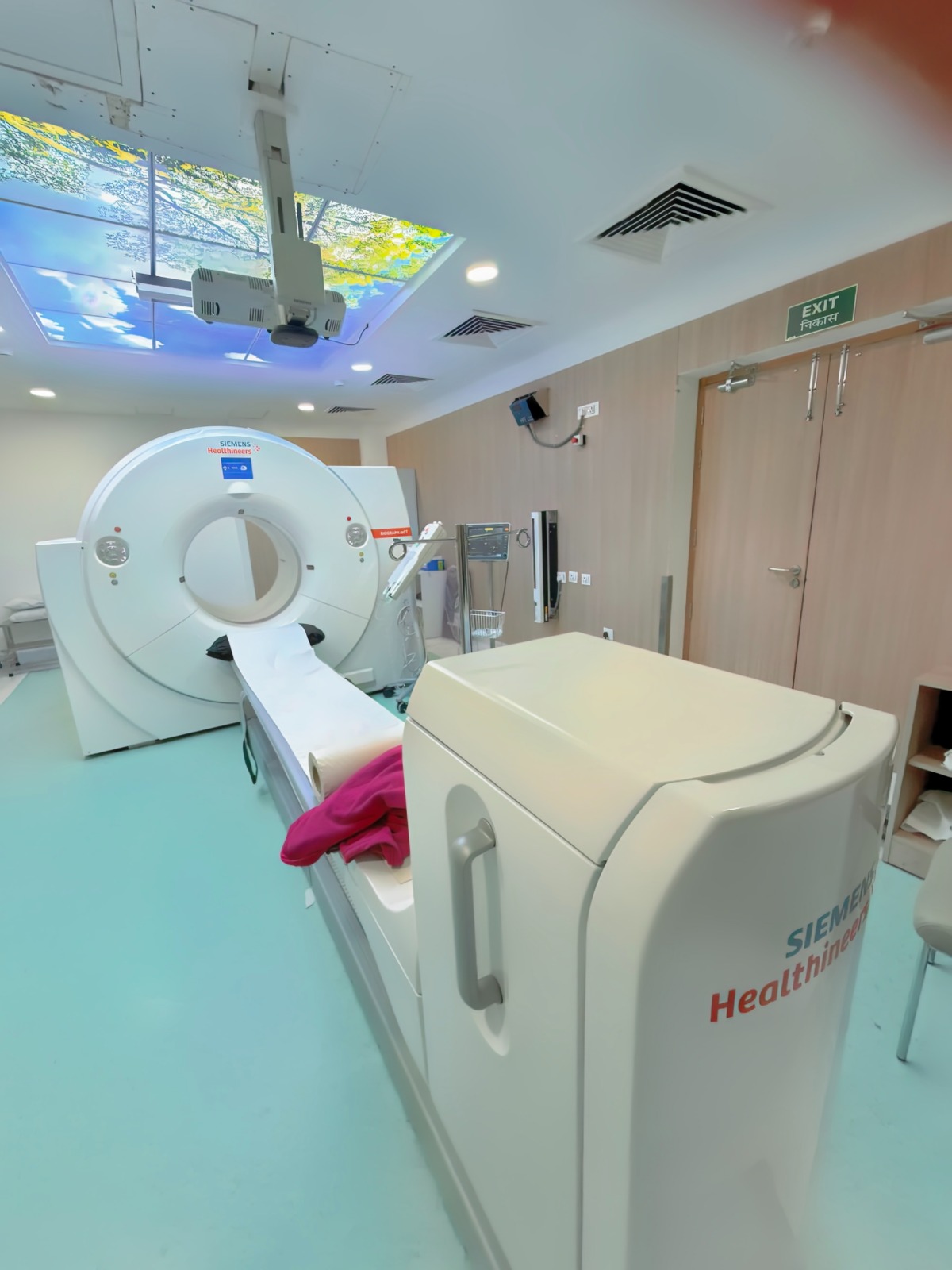
Full range of molecular imaging- We offer PET-CT, SPECT, SPECT-CT and gamma camera scans. Together, they help doctors find, stage and monitor both cancer and non-cancer conditions.
Two dedicated PET-CT scanners- Having two PET-CT scanners means shorter waits for appointments. Faster scans lead to quicker diagnosis and treatment decisions.
In-house Gallium generator- Gallium-68 tracers lose their strength within hours, so making them on site matters. Our in- house generator lets us run PSMA, DOTANOC, PENTIXAFOR, FAPI and EXENDIN PET scans without depending on outside supply.
Targeted radionuclide therapies- We treat selected conditions with radioactive medicines that can reach direct to diseased cells. These include radioactive Iodine (I-131), Lu-177 PSMA, Lu-177 DOTATATE and Samarium-153 EDTMP.
Care planned with other specialists- Our dedicated team works side by side with Oncology, Cardiology, Neurology, Nephrology, Urology, Endocrinology and other departments. Your scan results help in the treatment plan.
Teaching and research- The department runs PG medical (DNB) training programme in Nuclear Medicine for MBBS graduates. This robust academic foundation fosters continuous professional development and ensures the department remains at the cutting edge of me
The Department of Nuclear Medicine at Medanta - The Medicity, Gurugram, is a centre for advanced molecular imaging and radionuclide therapy. While standard scans like X-rays or MRIs primarily capture images of your body's anatomy, Nuclear medicine goes a step further by showing how your organs actually function. During the procedure safe small amount of a radioactive substance (called a radiotracer) is injected, swallowed, or inhaled. This tracer travels directly to the specific organ or area being evaluated. A specialized camera then detects the signals emitted by the tracer, generating precise data on how the organ is actively functioning. Consequently, this functional approach enables the early detection of disease, often long before structural changes become visible on standard scans. It also serves as a powerful tool for monitoring therapeutic efficacy, allowing physicians to verify if a treatment plan is succeeding. This same principle powers Theranostics, a revolutionary approach combining diagnosis and followed by targeted treatment. Nuclear medicine uses very small amount of radioactive medicine to diagnose, evaluate and treat various diseases. At Medanta Gurugram, our Nuclear Medicine facility offers PET-CT, SPECT-CT and targeted radionuclide therapy under one roof. We work closely with other doctors to plan proper management of patients.
Our aim is to place Nuclear Medicine at the heart of precision healthcare and to build a world-class centre for clinical care, medical training, research and academics. By bringing together advanced molecular imaging theranostics, we want to offer every patient precise, personalised care that improves both outcomes and quality of life. Dr Manas Kumar Sahoo, Associate Director, Nuclear Medicine, Medanta Gurugram

Team approach and compassionate care for holistic heart health.
Team approach and compassionate care for holistic heart health.
Smart systems and cutting-edge technology that drive seamless experiences.
- Two PET-CT Scanners
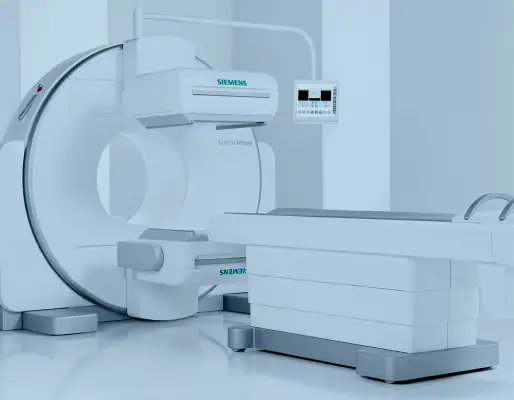
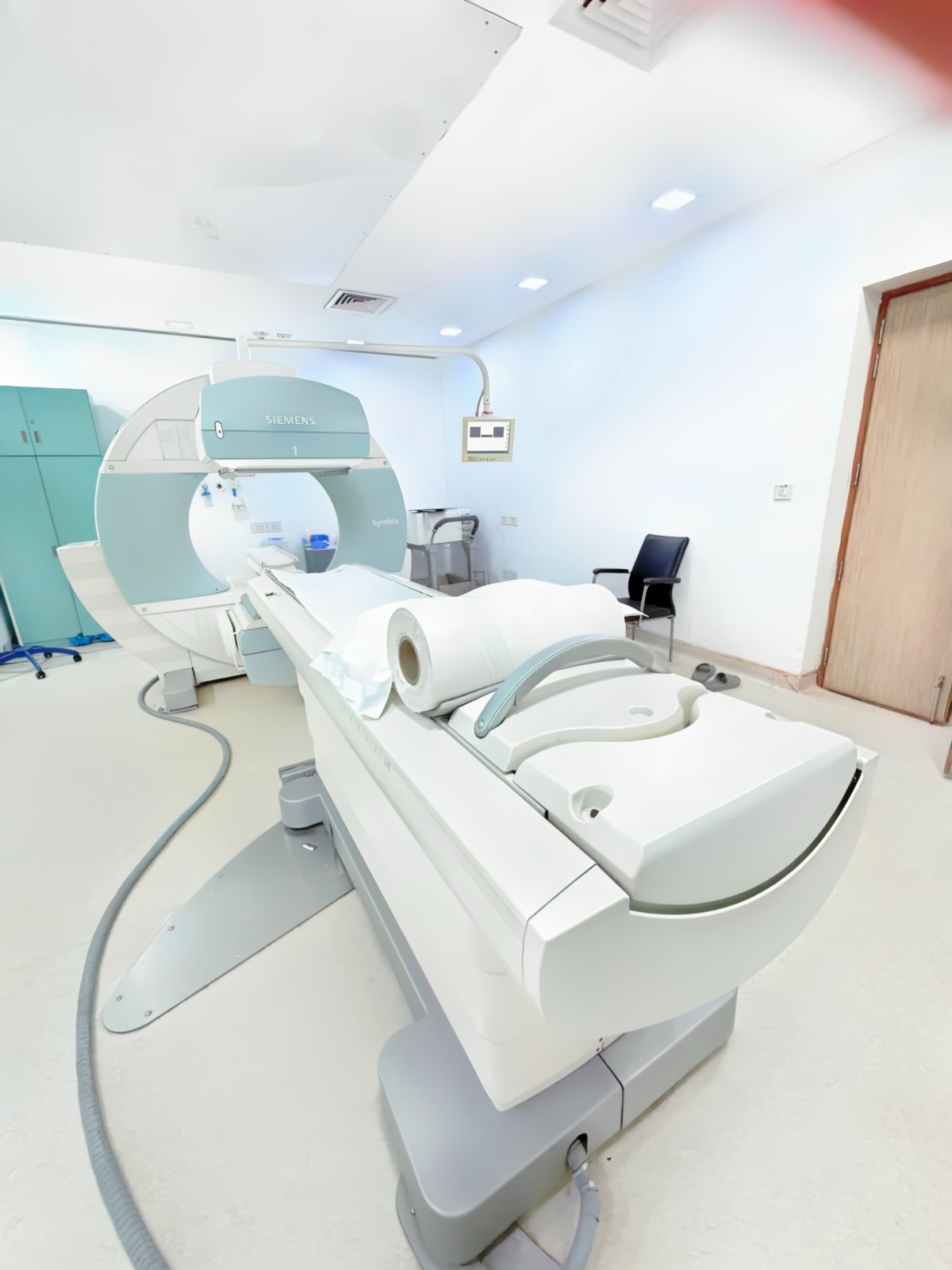
- SPECT System
- SPECT-CT System
- Advanced Gamma Camera Imaging
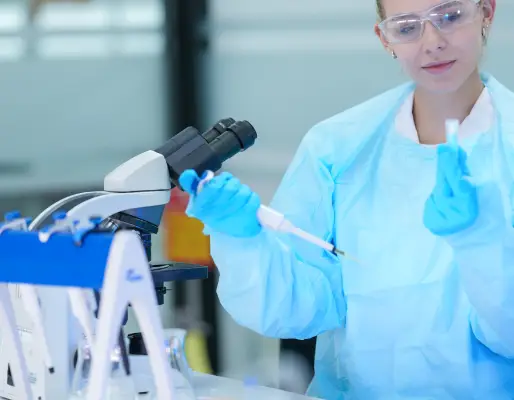
- In-House Gallium Generator
Nuclear medicine is an advanced specialty using safe, minimal amounts of radioactive materials to diagnose and treat disease. Unlike traditional scans that only show anatomy, it reveals how organs function at a cellular level, allowing doctors to detect diseases early and track treatment effectiveness.
Yes. The radiation dose in most scans is low. The tracer leaves the body naturally, usually within hours to few days.
The time on the scanner is usually around 20 to 30 minutes. After the injection, though, you wait about an hour for the tracer to get distributed through your body. Plan for a visit of two to three hours.
A PSMA PET scan targets a specific protein found on prostate cancer cells. This advanced scan helps doctors accurately stage prostate cancer, locate cancer recurrence early, and determine if a patient is a suitable candidate for targeted Lutetium-177 (Lu-177) PSMA therapy.
Theranostics combines diagnosis and therapy. A scan first confirms that cancer cells carry a specific target. A matching radioactive medicine is then used to treat those cells.
It is usually given as a capsule or liquid that you swallow. Afterwards you may need to follow some safety steps for a few days (such as limiting close contact with others). Your doctor will explain these in detail.
The Department of Nuclear Medicine, Medanta – The Medicity, Gurugram, offers PET CT on two dedicated scanners, along with Gallium based PET scans and SPECT CT. You can book through the Medanta website, the app or by calling directly.