1068
1068
 Request Call Back
 Contact
 1068
1068
Health Benefits of Eating Makhana Regularly
Published on: Mar 11, 2026

TABLE OF CONTENTS
- What Is Makhana (Fox Nut) and Its Nutritional Value
- Why Makhana Is Called a Superfood
- Health Benefits for Heart Health
- Makhana and Its Role in Weight Management
- Benefits for Digestion and Gut Health
- Makhana for Bone Strength and Calcium Supply
- Antioxidant Properties and Anti-Ageing Benefits
- Makhana for Diabetes and Blood Sugar Control
- How to Include Makhana in a Daily Diet
- Precautions and Side Effects of Makhana
- FAQs
Have you ever wondered if fox nuts' benefits could transform your snacking habits? These small, crunchy seeds pack remarkable nutritional power. One cup of dried lotus seeds or makhana delivers a high amount of protein, potassium, and phosphorus. The makhana benefits extend to weight management and heart health. Makhana health benefits include rich antioxidant content and high fibre levels.
What Is Makhana (Fox Nut) and Its Nutritional Value
Lotus flowers bloom in still ponds. The seeds from these aquatic plants transform into the crunchy snack known as makhana. A 100g serving delivers:
Protein: 9.7g
Carbohydrate: 76.9g
Fat: 0.1g
Fibre: 14.5g
Calcium: 60mg
Magnesium: 67mg
Potassium: 500mg
Phosphorus: 188mg
Iron: 2.6mg
Calorie count: 347-356 kcal
Why Makhana Is Called a Superfood
The superfood label attached to makhana stems from multiple nutritional advantages. These include:
Rich in Nutrients: Makhana has very little fat and a lot of carbs making it a great snack that gives energy without being too heavy.
Contains Essential Protein: Makhana has important amino acids such as lysine, which helps muscles heal and recover.
Packed with Antioxidants: It contains compounds like kaempferol and flavonoids that help lower inflammation and fight oxidative stress.
Helps Metabolic Health: Can reduce signs of inflammation and guard against problems related to metabolism
Slow Sugar Release: Breaks down sugar at a gradual pace helping keep energy steady.
Packed with Minerals: Has magnesium, calcium, and phosphorus, which promote a healthy heart, strong bones, proper muscle work and improved sleep.
Health Benefits for Heart Health
Makhana helps keep the heart healthy in different ways. High levels of potassium and magnesium in it support normal blood pressure and proper heart activity. Lower sodium content makes it a good option for those with hypertension. Since it has no cholesterol and little saturated fat it works well in diets focused on heart health. It contains antioxidants like kaempferol that help fight inflammation and ease oxidative stress which are connected to heart issues. Research shows that makhana may lower triglycerides and bad cholesterol (while boosting good cholesterol). Magnesium plays a role in improving blood flow and lining of blood vessels helping enhance circulation and lower heart-related risks.
Makhana and Its Role in Weight Management
Makhana helps control weight because it is low in calories and fat but high in fibre. Its protein and fibre levels make you feel full, cut down cravings, and stop you from overeating. Its low glycaemic index keeps blood sugar steady and prevents sudden hunger. Roasted makhana is a healthier choice than processed snacks giving lasting energy and making it easier to manage portions.
Benefits for Digestion and Gut Health
The dietary fibre in makhana adds bulk to stool and helps smoother bowel movements while preventing constipation. This natural mechanism works without harsh laxatives or artificial supplements.
The fibre content promotes regular digestive rhythms that your body craves. It supports the growth of beneficial gut bacteria. Lotus seeds have astringent properties that soothe the stomach lining and reduce acidity.
Makhana for Bone Strength and Calcium Supply
Brittle bones steal independence from countless people each year. Makhana offers protection through its mineral-rich composition. The calcium betters bone density, reduces fracture risks & prevents osteoporosis especially in older adults. Calcium intake becomes critical during postmenopausal years (when bone loss accelerates).
Magnesium works with calcium to improve bone structure and density (as it helps calcium absorption and supports the skeletal framework from within). Phosphorus joins this mineral duo by mixing with calcium to form hydroxyapatite (the compound that gives bones their strength and structure).
Antioxidant Properties and Anti-Ageing Benefits
Ageing shows itself first on your skin. The makhana benefits for skin stem from powerful antioxidants (known to curb free radicals and slow cellular damage). Flavonoids and phenolic compounds protect skin from oxidative stress and premature ageing caused by environmental pollutants and ultraviolet rays. These protective compounds safeguard collagen and keep skin hydrated and firm. The amino acids present including glutamine, arginine and methionine help maintain skin elasticity. Anti-inflammatory properties soothe redness, irritation, and inflammation produced by various skin conditions, including acne and eczema. Fox nuts in your diet calm your skin, lower irritation, and promote an even tone.
The seeds form a protective keratin layer from within which prevents skin from drying out. Rich in vitamin A, zinc, and omega-3 fatty acids, regular intake treats acne issues. These nutrients support cell regeneration giving you a refined texture and a more even tone.
Makhana for Diabetes and Blood Sugar Control
Managing diabetes requires constant alertness around food choices. The low glycaemic index helps prevent sudden blood sugar spikes (making it a perfect meal option for those managing diabetes).
The high fibre content slows digestion (or release of sugar) into the bloodstream.
Magnesium improves insulin sensitivity and allows cells to uptake sugar more efficiently.
Diabetics can enjoy roasted makhana as a guilt-free snack between meals. They also serve as desserts and puddings made with dates and jaggery in limited amounts, ensuring they remain healthy and nutritious.
How to Include Makhana in a Daily Diet
Roasted makhana is the simplest preparation. Lightly roast seeds with ghee, salt, and spices like cumin, turmeric, or black pepper for a crunchy snack.
Mix roasted makhana with peanuts, spices, and dried fruits to create healthy chivda or trail mix. Add almonds, walnuts, and sunflower seeds with pepper powder and a pinch of salt for an easy-to-carry snack suitable for mid-morning or evening consumption. Sprinkle makhana on salads or soups to add satisfying crunch. Crush and add to soups for extra nutrition.
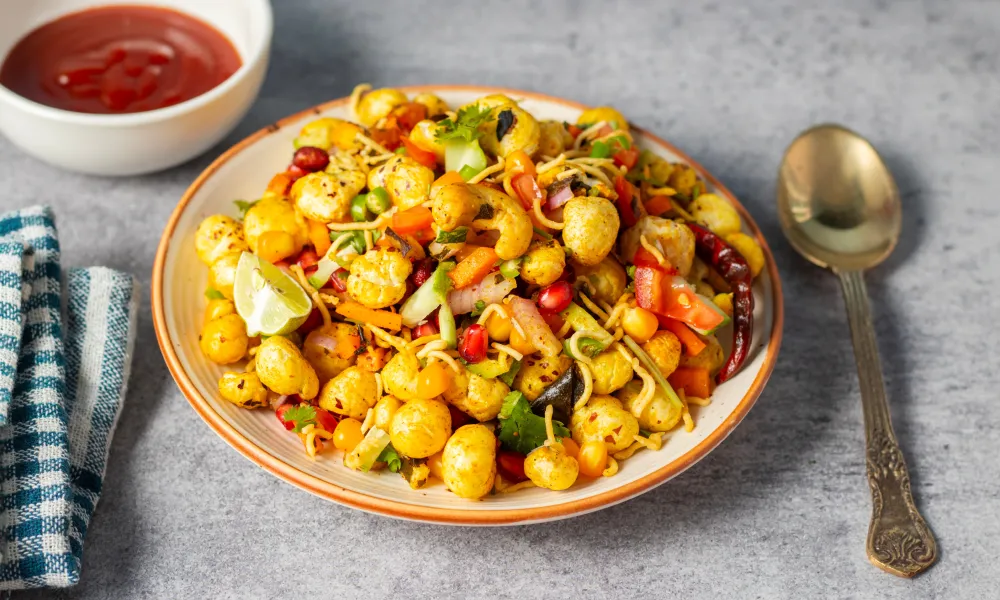
Makhana curry offers a protein-rich addition to meals. Makhana chaat provides a refreshing option.
Makhana kheer creates a delicious and healthy dessert (you can make it with milk and jaggery). Blend roasted makhana with milk, bananas, and nuts for a protein-rich smoothie.
Precautions and Side Effects of Makhana
Every food carries potential drawbacks when consumed improperly.
Excessive consumption leads to:
Digestive problems like bloating, gas, and constipation
Lower blood sugar too much when eaten in large amounts
People with hypotension might experience reduced BP levels
Allergic reactions like itching, swelling, rashes, or difficulty breathing
Makhana contains oxalates that contribute to kidney stone formation when consumed too much.
Patients with a history of kidney stones, particularly calcium oxalate stones, should limit makhana intake and consult their doctor or dietitian for personalised guidance.
FAQs
What are the main health benefits of eating makhana?
Makhana has various health benefits. They are:
Helps the heart stay healthy by controlling blood pressure.
Keeps you feeling full (which can help manage weight).
Makes digestion better because of its high fibre
Keeps blood sugar levels steady to avoid spikes.
With its calcium and magnesium it can make bones stronger.
Lowers inflammation thanks to antioxidants
Boosts kidney health by aiding natural detox
Keeps skin healthier and may slow down ageing signs.
How much makhana should I eat daily?
You can take 30 to 50 grams daily (beyond this it can lead to bloating or constipation).
Can makhana help with weight loss?
Yes, makhana can help with weight loss since it contains few calories, minimal fat, and plenty of fibre and protein which makes you feel full longer, cuts down cravings and stops you from overeating.
Is makhana good for diabetics?
Yes, makhana works well for diabetics because it has a low glycemic index and plenty of fibre, and keeps blood sugar from spiking too.
Can children eat makhana regularly?
Kids can eat makhana often if the portions are moderate.
Does roasting affect the nutrients in makhana?
Roasting makhana generally preserves its nutrition. This process may improve protein digestibility while lowering harmful compounds. It could also boost antioxidant properties. However, excessive roasting damages proteins through carbonisation. Light to medium roasting until golden brown preserves maximum nutrition.
Are there any side effects of eating makhana?
Overindulging creates problems despite makhana's healthy reputation. These are:
Gastric issues like bloating, gas and constipation
Allergic reactions like itching, swelling, rashes or breathing difficulties
Kidney stone
Excessive blood sugar drops.
Can makhana improve heart health?
Yes, makhana supports heart health because it contains magnesium, potassium and antioxidants. These important nutrients can help control blood pressure, boost blood circulation and lessen oxidative stress. In addition to these it has low sodium and cholesterol.
Is makhana beneficial for bones?
Calcium and phosphorus strengthen bones and teeth, which promotes overall skeletal health and reduces osteoporosis risk. Magnesium works alongside calcium for bone support.
How can I include makhana in my daily diet easily?
You can incorporate fox nuts with minimal effort. Lightly roast with ghee and sprinkle salt or chaat masala for quick snacks. Use in curries as protein-rich additions. Prepare makhana kheer, a delicious dessert made with milk and nuts. Blend roasted makhana with milk and fruits for nutritious smoothies.