1068
1068
 Request Call Back
 Contact
 1068
1068
Dark Circles Under Eyes: Causes, Symptoms & Treatment Options
Published on: Mar 23, 2026
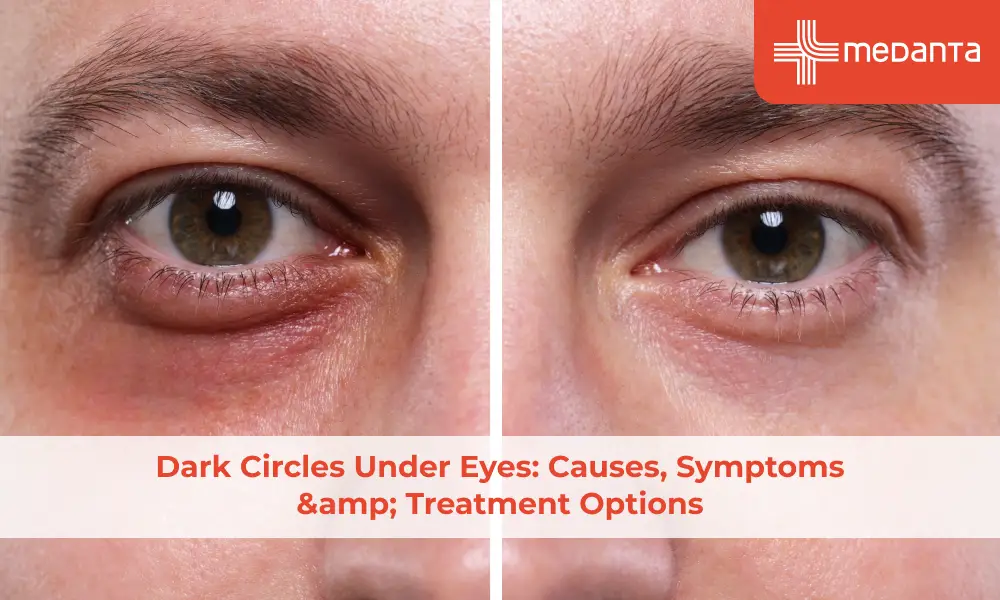
TABLE OF CONTENTS
Dark circles under the eyes can affect people of all ages, races, and sexes. Many people worry about this common cosmetic issue. Some groups see these dark circles more often, especially older adults, people with darker skin tones, and those with a family history.
Not getting enough sleep is one of the biggest reasons you might see shadows around your eyes. The CDC says adults need at least seven hours of sleep each night to avoid these dark patches. Blood circulation under the eyes decreases when you get less than 7-8 hours of rest. But feeling tired isn't the only reason these circles show up. Your age, eye strain, allergies and genes all play the most important roles.
The article explains why it happens, what to look for, and effective treatment options.
What Are Dark Circles Under Eyes?
Dark circles show up as darkened skin beneath both eyes. The affected area shows up in different shades of blue, purple, brown, or black, based on your natural skin colour. The skin beneath the eyes is extremely thin and fragile, with little fat to support it. This allows underlying structures like blood vessels, muscles, and bone shapes to be more visible. Dark circles appear when the skin below your eyes becomes darker than the skin around it. The condition may affect one or both eyes.
Common Symptoms of Dark Circles
Common symptoms include noticeable changes in the appearance of the under-eye area. These are:
Blue, purple, brown, or grey tints
Eyes that look tired or dull
The under-eye area that seems sunken or hollow
Uneven colouring under the eyes
Fine lines
Slight puffiness or swelling
Your skin's thinness in this area lets blood vessels show through, which creates that shadowy look.

Causes of Dark Circles Under Eyes
The natural ageing process makes the skin under your eyes thinner. It also reduces collagen, which makes blood vessels easier to see. This explains why many people's under-eye areas look darker as they get older.
Your family history plays the biggest role in getting dark circles. Most people start seeing them around age 24. Here are other main causes:
"Allergic shiners" from allergies that affect blood flow around the sinuses
Asthma - research shows dark circles associate with asthma
Your under-eye area looks dull from dehydration
Sun exposure leads to hyperpigmentation
Stress, smoking, and too much alcohol make it worse.
Melanin and deoxygenated blood are the main reasons behind their appearance.
When to See a Doctor
Dark circles usually don't signal health issues. But if you notice changes under just one eye you should see a doctor. Medical advice becomes necessary when dark circles show up with unusual symptoms that might point to health issues.
Diagnosis of Dark Circles
Doctors use several tests to check dark circles. They examine your skin, do eyelid stretch tests, and use Wood's lamp examinations. These tests help them figure out if your dark circles are pigmented, vascular, structural, or a mix of these types.
Treatment Options for Dark Circles
Dark circles are mostly a cosmetic concern, but you have several ways to treat them:
At-home remedies:
Put cold compresses on for 20 minutes
Sleep with your head lifted on extra pillows
Rest chilled tea bags on your eyes for 10-20 minutes
Try eye creams that contain kojic acid, caffeine or vitamin K
Medical treatments:
Chemical peels help reduce pigmentation
Laser therapy resurfaces your skin
Dermal fillers hide blood vessels
Carboxytherapy boosts blood flow
Blepharoplasty removes excess fat.
Tips to Prevent Dark Circles
You can stop dark circles before they start:
Get 7-9 hours of quality sleep
Drink plenty of water daily
Protect your eye area with sunscreen
Reduce your alcohol intake
Stop smoking
Keep your stress in check
Take care of allergies or eczema.
Conclusion
Dark circles are a common problem that affects countless people worldwide. These shadowy circles can hurt your self-confidence, even though they are mostly cosmetic. Several solutions can help you deal with this issue. Mild cases respond well to simple home remedies like cold compresses, tea bags and specialised eye creams. Medical treatments such as chemical peels, laser therapy or dermal fillers might work better if you have persistent circles.
Your best defence lies in prevention. A good night's sleep, proper hydration, sun protection, and stress management keep those shadows away. Note that dark circles rarely point to serious health issues, but you should see a doctor if sudden changes occur.
Once you know what causes your dark circles, you can pick the right treatment. This knowledge helps you take steps toward brighter, refreshed-looking eyes that show your true energy levels and health.
FAQs
What causes dark circles under the eyes?
Your genes play the biggest role in dark circles, and research shows a strong family link. The skin under your eyes gets thinner with age making blood vessels more visible. Several other factors can cause this condition:
Dark patches from sun damage
Blood vessel expansion from dermatitis and eczema
Broken tiny blood vessels from rubbing eyes too much
Dull under-eye skin due to dehydration.
Are dark circles a sign of poor health?
Dark circles rarely point to serious health problems. Despite that, they sometimes signal conditions like:
Asthma (studies back this connection)
Allergic responses
Thyroid problems
Blood flow issues
Kidney or liver problems.
Can lack of sleep cause dark circles?
Yes, it does. Poor sleep makes blood vessels under your eyes expand, creating that bluish-purple shade. When you don't get enough rest, your circulation suffers and deoxygenated blood builds up. Your skin looks paler when tired that makes blood vessels stand out more.
Do dark circles indicate a vitamin deficiency?
Yes, it is possible. Missing nutrients can lead to dark circles:
Iron deficiency anaemia makes the skin pale and the vessels visible
Low vitamin K weakens blood vessel walls
B12 shortage disrupts how your body makes blood cells
Too little vitamin C affects collagen strength
You should check these nutrient levels if dark circles stay even with good sleep and hydration.
How can dark circles be treated naturally?
Cold compresses help blood vessels shrink and reduce puffiness. You can place chilled tea bags over your closed eyes for 10-15 minutes each day. The high water content in cucumber slices makes them work great too. Your head needs extra pillows when you sleep to stop fluid from pooling.
Are eye creams effective for dark circles?
Yes, especially when you have formulas with specific ingredients. Eye creams containing niacinamide, caffeine, and vitamin E help reduce hyperpigmentation. Products with vitamin C help brighten the under-eye area.
Can allergies cause dark circles?
Absolutely doctors call these "allergic shiners". Your nasal congestion from allergic reactions limits blood flow around the sinuses and creates visible darkness under the eyes. This affects children more than adults.
Are dark circles genetic?
Most people see them first around age 24. Dark circles that don't improve with lifestyle changes likely come from your genes. Your inherited traits include lower collagen levels, melanin production patterns, and thinner under-eye skin.
Also loss of elastin and collagen in under aye area contributes to hollowness and shadowing of under eye area in genetically predisposed individuals.
When should dark circles be medically reviewed?
You should get medical help if you spot uneven colouring or changes under just one eye. A doctor's visit becomes important if dark circles stay despite trying different remedies.
How long do dark circles take to fade?
Allergic shiners usually clear up within a few weeks with proper treatment. Simple home remedies might show slight improvements in just three days. However you will need 4-6 weeks of consistent use of medicated under-eye creams to see results.