1068
1068
 Request Call Back
 Contact
 1068
1068
Sperm Cramps: Causes, Symptoms, Pain Location and When to See a Doctor
Published on: Jun 19, 2026
TABLE OF CONTENTS
Sperm cramps term is usually used to describe pelvic, testicular, or lower abdominal pain during or shortly after ejaculation. Some men may also feel pain in the area between the genitals and anus. This experience can happen because of the spasm of smooth muscle in the seminal vesicles, vas deferens, epididymis, or prostate during the emission and expulsion phases of ejaculation. It can also reflect referred pain from the pelvic floor musculature, which contracts rhythmically at ejaculation and can cramp just as any striated muscle cramps during sustained contraction.
Where Does the Pain Usually Occur?
Sperm cramps can occur in different areas, depending on the underlying cause:
Lower abdomen, typically midline or slightly bilateral due to seminal vesicle or bladder-base contraction
Perineum and deep pelvic floor - cramping here has a deep, pressure-like quality and may radiate toward the rectum
Testes and epididymis - dull aching or sharp pain in one or both testes
Lower groin -some men experience a band-like ache along the groin area
Deep rectal or prostatic region - Pain felt deep in the rectum or behind the pubic symphysis especially if the prostate is irritated or inflamed.
Possible Causes of Sperm Cramps
Common causes are:
Epididymal congestion: Prolonged sexual arousal without ejaculation engorges the epididymis so the sudden decompression during eventual ejaculation can be painful, particularly in the posterior scrotal region
Chronic prostatitis / CP/CPPS: The most common identifiable cause in men under 50; neurogenic inflammation and smooth muscle hyperreactivity produce pain during and after ejaculation, often persisting 30–90 minutes post-coitus
Hypertonic pelvic floor: Pelvic muscles maintain elevated resting tone in sedentary or chronically stressed men; ejaculation triggers a superimposed contraction on already-tense muscle, producing cramping that outlasts the ejaculatory reflex
Varicocele: Dilated veins in the scrotum increase venous pressure and local inflammation; worsens with activity and ejaculation, producing dull post-ejaculatory aching
Seminal vesicle calculi or cysts: Obstruct ejaculatory outflow, causing pain as the vesicle contracts against the obstruction during emission
Urinary or sexually transmitted infection: Gonococcal or chlamydial epididymo-orchitis, urethritis, or bacterial prostatitis produce post-ejaculatory pain as part of broader infective inflammation
Pudendal neuralgia: Irritation or entrapment of the pudendal nerve (which supplies the perineum, scrotum, and penile shaft) produces burning peri-ejaculatory pain that worsens with sitting
Symptoms That May Occur Along With the Pain
Accompanying symptoms are:
Haematospermia (blood in semen): Common with CP/CPPS, seminal vesicle pathology, and prostate inflammation
Dysuria or urethral burning: Suggests urethritis, prostatitis, or UTI as underlying aetiology
Urinary frequency, urgency, or incomplete voiding: Characteristic of prostatitis and LUTS
Scrotal swelling or tenderness: Points toward epididymo-orchitis or varicocele
Penile or urethral discharge: Indicates gonorrhoea, chlamydia, or non-specific urethritis
Fever and systemic symptoms: Acute bacterial prostatitis or epididymo-orchitis.
Is It Related to Sexual Health or Fertility?
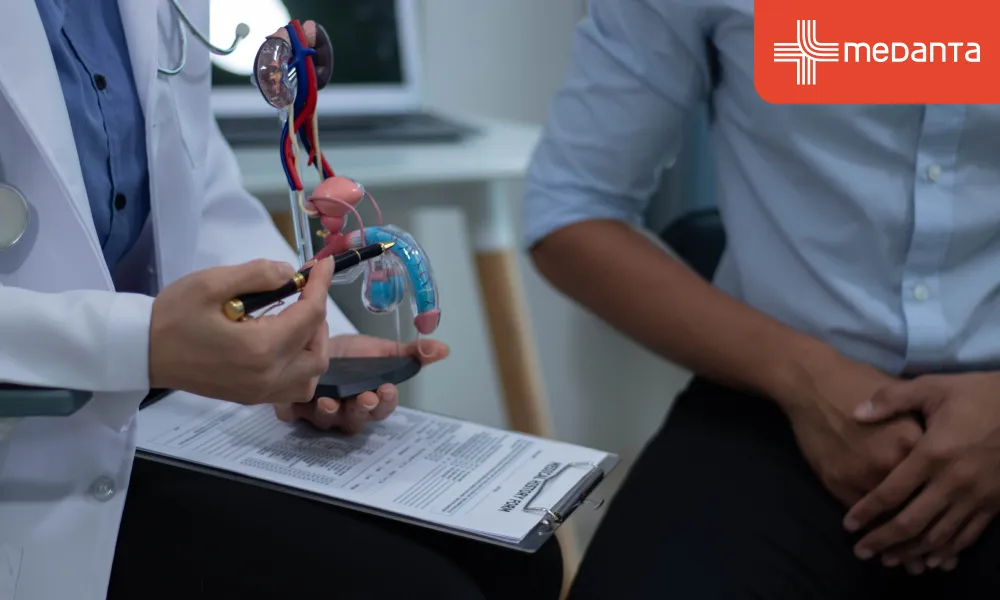
Post-ejaculatory pain does not itself impair fertility, but several of its causes can. Chronic epididymitis causes progressive epididymal obstruction if untreated. Varicocele causes oxidative spermatogenic damage through elevated scrotal temperature. Chlamydial epididymo-orchitis can scar epididymal tubules, reducing sperm transit. CP/CPPS also causes impaired sperm motility & DNA integrity. Seminal vesicle cysts or calculi partially obstruct the ejaculatory ducts and cause pain.
How to Relieve Sperm Cramps
Remedies are:
Warm compress or sitz bath to the perineum immediately after ejaculation relaxes pelvic floor musculature and reduces epididymal vascular congestion within a few minutes.
Pelvic floor physiotherapy: myofascial release, reverse Kegel exercises (elongation, not contraction), and biofeedback-guided relaxation reduce resting pelvic floor tone over 6–12 weeks — the most evidence-supported non-pharmacological option for CP/CPPS-associated ejaculatory pain
Medications:
NSAIDs taken 30–60 minutes before anticipated sexual activity reduce smooth muscle cramping and post-ejaculatory inflammation
Alpha-blockers relax smooth muscle in the prostate, seminal vesicles, and bladder neck
Regular ejaculation every 2–3 days reduces epididymal congestion and the pressure differential that makes infrequent ejaculation painful.
Treatment Options for Relief
Treatment depends on the underlying causes:
CP/CPPS: Alpha-blockers, pelvic floor physiotherapy, and cognitive behavioural therapy (level II evidence for pain reduction). Antibiotics are only used in confirmed bacterial prostatitis
Varicocele: Microsurgical varicocelectomy or percutaneous embolisation reduces venous pressure and typically improves testicular discomfort
Infective epididymo-orchitis: Appropriate antibiotics for chlamydial aetiology and suspected gonorrhoea. Scrotal support and NSAIDs provide symptomatic relief
Seminal vesicle calculi: Transurethral resection of the ejaculatory duct (TURED) is the definitive procedure for obstructive calculi
Pudendal neuralgia: Ultrasound- or CT-guided pudendal nerve block provides diagnostic confirmation and therapeutic relief and pulsed radiofrequency neuromodulation for refractory cases.
When Should You See a Doctor
Occasional mild post-ejaculatory discomfort that resolves within minutes is unlikely to represent significant pathology. Consult a doctor when:
Post-ejaculatory pain lasts more than 30 minutes
Pain persists consistently across multiple episodes
Blood is visible in semen, particularly in men over 40
Pain is accompanied by fever, scrotal swelling, dysuria or urethral discharge
Pain is severe enough to discourage sexual activity or affect quality of life
Symptoms have persisted for more than 3 months without an identified cause
Fertility concerns coexist.
Medanta’s Urology and Andrology team evaluates ejaculatory pain through history, physical examination, urinalysis, STI screening, scrotal ultrasound with Doppler, and where indicated, transrectal ultrasound and MRI of the seminal vesicles and prostate.
FAQs
What are sperm cramps and what causes them?
An informal term for pain during or after ejaculation, arising from smooth muscle spasm in the seminal vesicles, vas deferens, epididymis, or prostate, or from cramping of the pelvic floor musculature. CP/CPPS, pelvic floor hypertonicity, epididymal congestion, varicocele, and infective epididymo-orchitis are the most common identifiable causes.
Why do men experience cramps after ejaculation?
Ejaculation involves coordinated smooth muscle contraction across the seminal vesicles, vas deferens, prostate, and bulbospongiosus. When any of these structures are inflamed, congested, or operating against elevated pelvic floor resting tone, the contraction produces pain rather than completing cleanly. Post-ejaculatory cramps typically reflect the aftermath of that contraction in sensitised or hypertonic tissue.
Where is sperm cramp pain usually located?
Lower abdomen, perineum, testes, inguinal canal, or deep rectal region - depending on which structure is involved.
Are sperm cramps normal?
Occasional mild pelvic pain during or immediately after ejaculation is common in men and often resolves without intervention. Persistent pain, pain lasting more than 30 minutes, severe pain or pain accompanied by other symptoms is not considered normal and needs medical assessment.
How long do sperm cramps last?
In functional or congestion related cases pain typically resolves within 5 to 20 minutes of ejaculation. Pain persisting beyond 2-3 hours or recurring consistently with each ejaculation suggests an underlying condition.
Can prostate problems cause sperm cramps?
Yes chronic prostatitis/chronic pelvic pain syndrome (CP/CPPS) is the most common cause of ejaculatory pain in men under 50. Neurogenic inflammation and smooth muscle hyperreactivity in the prostate produce pain during and after ejaculation, often with associated lower urinary tract symptoms including urinary frequency and incomplete voiding.
How can sperm cramps be relieved?
Warm sitz bath or perineal compress immediately after ejaculation, NSAIDs taken 30–60 minutes before anticipated activity, regular ejaculation frequency to prevent epididymal congestion, pelvic floor physiotherapy for hypertonic pelvic floor and alpha-blockers for prostate-related cramping are the principal management options.
When should you see a doctor for sperm cramps?
Seek assessment if post-ejaculatory pain lasts more than 30 minutes, recurs consistently, is accompanied by haematospermia, fever, scrotal swelling, or urethral discharge or affects quality of life and sexual function. Men over 40 with haematospermia specifically should be assessed promptly to exclude prostate or seminal vesicle pathology.
Can sexual activity trigger sperm cramps?
Sexual arousal without ejaculation can trigger epididymal congestion and inguinal aching. Ejaculation itself triggers the smooth muscle contractions that cause cramps in predisposed men. Frequency matters: very prolonged abstinence worsens congestion-related pain, while consistent regular ejaculation (every 2–3 days) reduces this pressure differential.
Are sperm cramps linked to infections?
They can be. Chlamydial or gonococcal epididymo-orchitis, bacterial prostatitis, and urethritis each produce post-ejaculatory pain as part of a broader infective-inflammatory process. The distinguishing features are systemic symptoms (fever, malaise), urethral discharge, dysuria, and scrotal tenderness that are not present in functional or congestion-related cramping.