1068
1068
 Request Call Back
 Contact
 1068
1068
Mumps Disease: Symptoms, Causes, Treatment and Prevention Guide
Published on: Jul 31, 2026
TABLE OF CONTENTS
- The Virus Behind Mumps and How It Spreads
- Early Warning Signs and Symptoms to Watch For
- Mumps in Children vs Adults - Key Differences
- How Is Mumps Diagnosed?
- Treatment Options and Home Care Tips
- Possible Complications If Left Untreated
- The MMR Vaccine - Your Best Protection Against Mumps
- How Long Is Mumps Contagious?
- Mumps During Pregnancy - Risks You Should Know
- How to Prevent Mumps from Spreading
- Conclusion & When to See a Doctor
- FAQs
Mumps is a contagious viral infection that most people associate with puffy, swollen cheeks and jaw pain - the signature swelling of the parotid glands, the salivary glands sitting in front of and below each ear. Once a common childhood illness worldwide, mumps has declined dramatically in countries with high MMR vaccination coverage. It has not disappeared, though, and outbreaks continue even in vaccinated populations when immunity is incomplete or coverage gaps exist.
The Virus Behind Mumps and How It Spreads
The mumps virus is a single-stranded RNA virus with one known serotype, which is why a single vaccine provides meaningful protection. It spreads through respiratory droplets and direct contact with infected saliva: sharing cups, cutlery or being in close proximity to someone coughing. Sustained exposure in enclosed spaces drives most transmission, explaining why outbreaks cluster in schools, colleges and hostels.
Early Warning Signs and Symptoms to Watch For
Warning symptoms are:
Fever, headache, fatigue and loss of appetite typically appear one to two days before the characteristic swelling begins
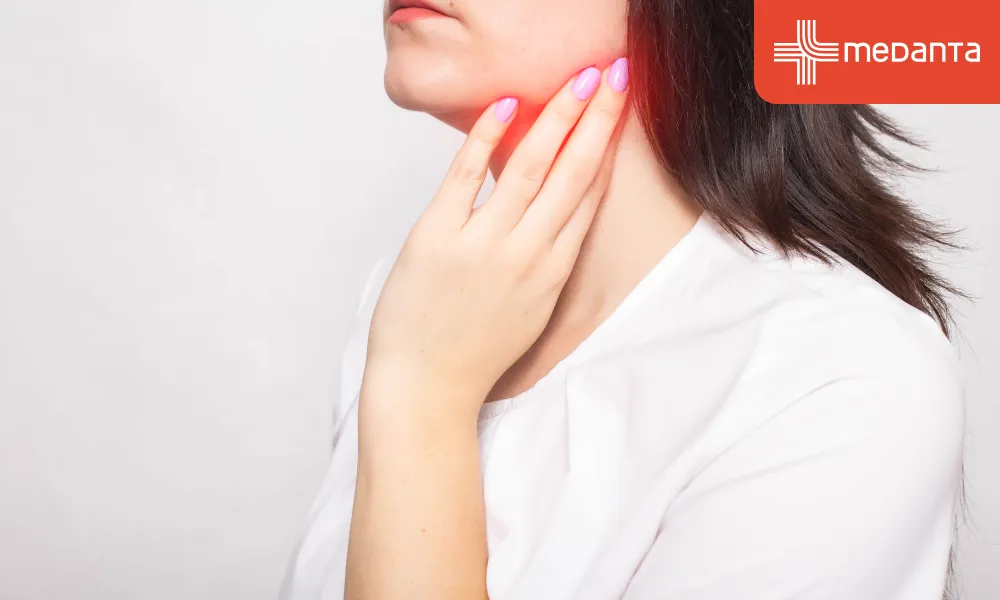
Parotid gland swelling - unilateral first, becoming bilateral in many cases within days - produces the classic puffy jaw and ear tenderness
Swallowing and chewing are painful because the parotid gland sits precisely where jaw movement applies pressure
Earache on the same side as the swelling is common
Sometimes mumps infections produce no salivary gland swelling - subclinical cases remain infectious and contribute to silent transmission chains.
Mumps in Children vs Adults - Key Differences
In children, mumps is generally milder and parotid swelling resolves within one to two weeks with few complications. In adults, the disease tends to run a more severe course. Orchitis occurs in some post-pubertal males with mumps, producing testicular pain and swelling. Oophoritis, the female equivalent, occurs in some post-pubertal women.
Adults tend to experience complications such as pancreatitis and hearing loss more severely than children. Aseptic meningitis, however, is not exclusive to adults - CNS involvement is well recognised in childhood mumps too and is common enough to be considered part of the natural course of the infection in children, though it generally runs a milder course than in adults.
How Is Mumps Diagnosed?
Parotid swelling alongside fever in a household or school contact of a confirmed case makes mumps the leading clinical diagnosis. Investigations are:
PCR of a buccal swab is the most sensitive confirmation method.
Serology for mumps IgM is used when PCR is unavailable, though it can give false negatives early in illness.
Blood tests showing normal or mildly elevated white cell count help differentiate from bacterial parotitis.
Treatment Options and Home Care Tips
No antiviral targets the mumps virus, so management is supportive.
Rest, fluids and medications to manage fever & pain.
Eat soft foods like dal, khichdi, curd, mashed potato & fruit smoothies
Warm or cool compresses over the swollen parotid area give symptomatic relief
Avoid acidic foods like citrus, tamarind or tomato dishes as they trigger saliva and worsen pain.
Cold, soothing fluids are better tolerated than hot beverages.
Possible Complications If Left Untreated
Most mumps cases resolve without lasting complications. Orchitis is the most common complication in post-pubertal males; if bilateral, it may impair fertility though complete infertility is rare. Aseptic meningitis occurs in some cases, producing severe headache, neck stiffness and photophobia. It is generally self-limiting but requires evaluation to exclude bacterial meningitis.
Sensorineural hearing loss can be sudden, severe and permanent. Pancreatitis produces abdominal pain and vomiting. Encephalitis is uncommon but carries neurological consequences.
The MMR Vaccine - Your Best Protection Against Mumps
The MMR vaccine (measles, mumps and rubella combined) is the most effective preventive measure. In India, MMR is given under the IAP (Indian Academy of Pediatrics) schedule, with the first dose at 9 to 12 months and a second dose at 15 to 18 months. Two doses provide strong protection but not absolute protection, which is why outbreaks occur even in well-vaccinated populations.
Adults who received only one MMR dose or are uncertain of their vaccination history benefit from an additional dose - safe in healthy adults and particularly useful before travel to areas with active transmission.
How Long Is Mumps Contagious?
Mumps is contagious from two days before symptoms begin to five days after parotid swelling appears - roughly seven days including a pre-symptomatic window that makes containment challenging. Schools and hostels typically require isolation until five days after swelling onset.
Mumps During Pregnancy - Risks You Should Know
Mumps during pregnancy is less dangerous than rubella for the foetus, but first-trimester infection has been associated with spontaneous miscarriage. No confirmed link to foetal birth defects exists. Pregnant women who develop mumps require monitoring. Non-immune women should update MMR status before conception - the live attenuated vaccine is not given during pregnancy.
How to Prevent Mumps from Spreading
Effective preventive strategies are:
Isolate confirmed or suspected cases for five days from swelling onset to break transmission chains
Hand hygiene - thorough washing with soap, particularly after respiratory contact, reduces droplet spread
Cover coughs and sneezes and avoid sharing cups, bottles or cutlery within households or school settings
Ensure MMR vaccination is up to date for all household contacts of a confirmed case
In outbreak settings, public health authorities may recommend a third MMR dose for certain high-risk groups, based on their assessment of the local situation.
Conclusion & When to See a Doctor
Parotid swelling in any age group needs a medical review to confirm mumps and rule out bacterial parotitis, which needs antibiotics. Seek prompt care for: testicular pain or swelling in males, severe headache with neck stiffness, sudden hearing change, abdominal pain with vomiting or any neurological symptom during acute mumps illness.
FAQs
Can vaccinated people still get mumps?
Yes - two MMR doses provide good protection, not complete immunity. Vaccinated people who develop mumps typically have milder illness and shorter contagious periods than unvaccinated individuals, but breakthrough infections do occur, particularly when exposure is intense or prolonged.
How do you know if swelling is from mumps or something else?
Mumps-related swelling is centred in front of and below the ear, over the parotid gland, and is often tender. Lymph node swelling typically sits lower in the neck. Bacterial parotitis tends to be more acutely painful and may produce pus from the parotid duct. A doctor can usually distinguish these clinically, with laboratory tests confirming mumps.
Is mumps only a childhood disease?
Mumps can affect any unvaccinated or under-vaccinated individual at any age. Adults who contract mumps face higher rates of complications including orchitis, meningitis and hearing loss than children.
Can mumps cause permanent hearing loss?
Rarely, but yes. Sensorineural hearing loss from mumps can be sudden, severe and permanent. It is among the rarer complications but worth knowing because it can appear with little warning during the acute illness.
How long does it take to recover from mumps?
Most uncomplicated cases resolve within one to two weeks. The parotid swelling typically peaks at two to three days and subsides over the following week. Complications like orchitis or meningitis sometimes extend recovery considerably.
Is mumps still common in India?
Mumps continues to circulate in India with periodic outbreaks in schools, colleges and hostels. Coverage gaps in MMR vaccination across parts of the country sustain the virus in the population, and IDSP surveillance data shows ongoing case reporting.
Can mumps spread through sharing food or utensils?
Yes - the virus is present in saliva and can transfer through shared cups, cutlery or water bottles. This is one of the reasons household and institutional spread happens readily and why sharing items with an infected person should be avoided.
What should I eat when I have mumps?
Soft, easy-to-swallow foods that don't require much chewing, including dal, khichdi, curd, mashed potato, soft idli and smooth fruit drinks. Avoid acidic foods like citrus and tamarind, which stimulate saliva production and worsen jaw pain.
Does mumps affect fertility in men?
Orchitis from mumps can affect fertility when both testicles are involved, but complete sterility is rare. In most cases, even bilateral orchitis produces only a partial reduction in sperm count. Any man who develops orchitis during mumps should discuss follow-up with a doctor.
Is mumps the same as a swollen lymph node?
No - mumps causes inflammation of the parotid salivary glands specifically, which sit just in front of and below the ear. Swollen lymph nodes sit lower and further back in the neck. The distinction is clinically important because the two conditions have different causes and treatments.