1068
1068
 Request Call Back
 Contact
 1068
1068
Scalp Acne: Causes, Treatment Options & Prevention Tips
Published on: Jan 22, 2026
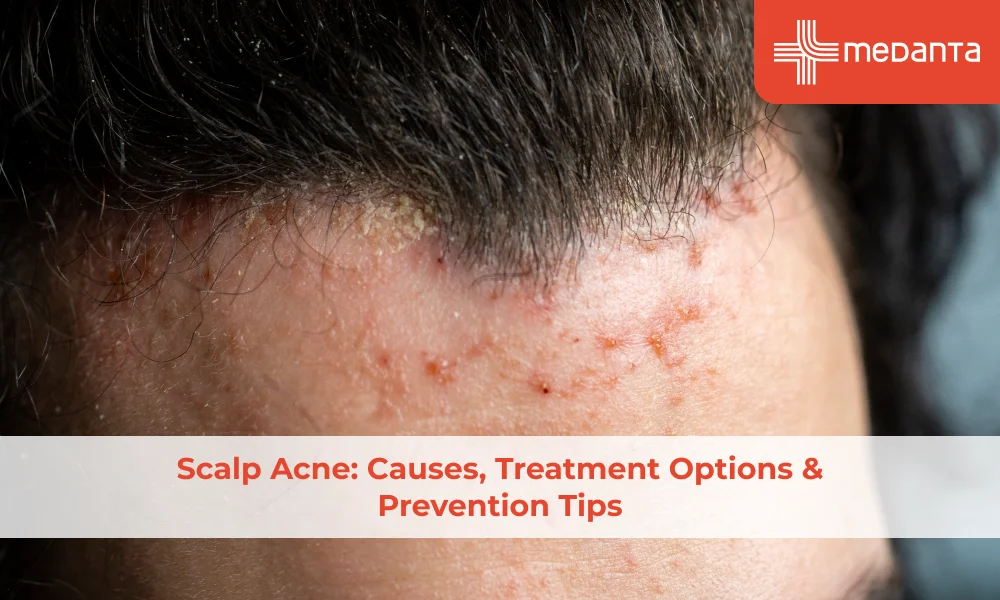
TABLE OF CONTENTS
Though less common than face, chest, or back acne, these scalp breakouts can be just as annoying. Scalp acne affects about 80% of people aged 11-30, and adults experience scalp acne more often.
Your scalp develops pimples when hair follicles get clogged with oil, sweat, or dead skin cells. The blockage creates inflammation that shows up as pimples on your scalp or near your hairline. Doctors called breakouts caused by hair products acne cosmetica.
This article explains your treatment options and gives you practical ways to keep your scalp healthy and pimple-free.
What Is Scalp Acne and How Does It Develop
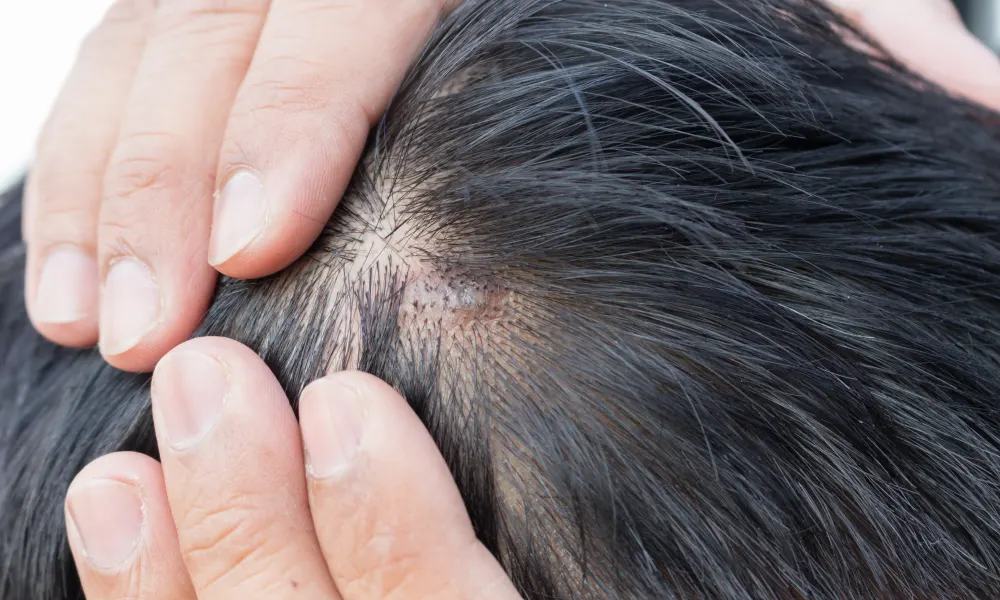
Scalp pimples develop in a different way than facial acne, but they share the same basic mechanisms. Scalp acne shows up as whiteheads or pustules on the skin beneath your hair. These spots appear when oil, dead skin cells or product residue block hair follicles. This condition can become chronic if left untreated, unlike random pimples that come and go.
The process happens in the following four key stages:
Your body produces extra sebum
Debris builds up in the hair follicle
Inflammation occurs
Bacteria start to grow.
Common Causes of Scalp Acne
Your scalp can break out due to several reasons:
Too much sebum that clogs hair follicles
Microorganisms like bacteria (Propionibacterium acnes), yeasts (Malassezia), and tiny mites (Demodex folliculorum)
Hair products with heavy oils or ingredients that irritate
Not washing enough, which lets oils and dead cells pile up
Friction from headwear like hats, helmets or headbands
Hormone changes, especially during puberty or stressful times
Your genes can make you more likely to get it
Symptoms of Scalp Acne to Watch For
Quick treatment starts with spotting the signs early. Common signs and symptoms of scalp acne are listed below:
Small bumps along your hairline, forehead, or neck that are hiden under your hair
These bumps can be whiteheads, red inflamed spots, or deeper painful cysts
The affected areas often feel itchy and tender to the touch
Serious cases might cause temporary hair thinning or create scabs around the pimples.
Medical Treatments for Scalp Acne
Doctors first recommend medicated shampoos to clear clogged follicles. These products contain ingredients like salicylic acid, ketoconazole or zinc pyrithione.
Stubborn cases respond well to topical solutions with benzoyl peroxide. This kills bacteria and reduces inflammation
Your dermatologist might prescribe topical antibiotics such as clindamycin or erythromycin that fight bacterial growth.
In some severe cases, doctors might recommend oral medications like antibiotics, isotretinoin, or hormonal treatments. These medications help women whose scalp acne comes from hormone imbalances.
Home Remedies for Scalp Acne
Tea tree oil has become a favourite natural remedy because of its antibacterial properties. You can mix a few drops with coconut oil and massage it into your scalp gently.
Apple cider vinegar balances scalp pH levels. Mix 1-2 tablespoons of ACV with 1 cup of water, then rinse your hair with the mixture after shampooing.
Aloe vera gel soothes irritation without making your scalp oily. You can apply it directly to problem areas, let it sit for 30 minutes, and rinse it out completely.
Prevention Tips to Avoid Scalp Acne
Regular hair washing keeps your scalp clean, especially after sweating.
Pick oil-free, non-comedogenic hair products that won't block your pores.
Clean your hair tools (combs, brushes, and hats) frequently.
Loose headwear works better since tight ones trap sweat and bacteria against your scalp.
Do not touch your scalp again and again as it may spread bacteria.
When to See a Dermatologist for Scalp Acne
You should get professional help if pimples last more than six weeks despite home treatment. Contact a doctor when you have severe pain and swelling in the acne area or when acne affects your confidence & causes emotional distress.
Conclusion
Dealing with scalp acne can be tough but knowing what causes those bumps makes finding solutions easier. Your scalp needs more care since hair products, sweat and oils get trapped between hair strands. Clean hair is your best defence against breakouts (especially after you work out or on hot days).
Your scalp's health directly affects your hair's growth and appearance. Those painful bumps are signs that something isn't right, and early treatment prevents bigger problems down the road. Most mild cases clear up with good home care, though tough breakouts might need a dermatologist's help.
Good habits create a healthy scalp. Simple changes like fresh pillowcases or clean hair tools can make a big difference. Your scalp deserves proper care.
FAQs
What causes scalp acne?
Those annoying bumps on your head happen when hair follicles get clogged. Your scalp produces oil, and dead skin cells, sweat, or bacteria can block the tiny openings. Hair products leave buildup, and tight headwear doesn't help. Your hormones, stress levels, and genes play a role too.
How can I treat scalp acne at home?
Tea tree oil makes a great natural remedy because it kills bacteria. A mix of apple cider vinegar helps balance your scalp's pH levels. Aloe vera reduces irritation without making things oily. Your best bet is regular washing with a gentle, oil-free shampoo to remove buildup.
Are there medical treatments for scalp acne?
Special shampoos with salicylic acid, ketoconazole or zinc pyrithione help clear blocked follicles. In severe cases your doctor might prescribe topical antibiotics, oral medications or steroid injections.
Can hair products trigger scalp acne?
Yes hair products often leave residue that blocks pores. Doctors call it "acne cosmetica." Look for products labelled "oil-free," "non-comedogenic," or "won't clog pores."
How can I prevent scalp acne naturally?
Regular hair washing helps, especially after you sweat. Loose-fitting hats work better than tight ones. Oil-free hair products make a difference. Make sure to rinse out all shampoo completely. Clean pillowcases help too.
Does scalp acne affect hair growth?
Your hair growth cycles can get disrupted by ongoing inflammation around follicles. Some people experience temporary hair loss, and severe cases might lead to permanent loss if scarring develops.
When should I see a doctor for scalp acne?
You need medical help if your pimples get worse or don't improve after six weeks of home treatment. Watch out for severe pain, swelling, or fever. Shiny bald patches and recurring pustules need a doctor's attention right away.
Are diet or lifestyle changes helpful for scalp acne?
Research shows links between breakouts and foods high in sugar or dairy. Your stress levels can trigger acne by throwing hormones off balance. A diet rich in antioxidants and plenty of water might help your skin stay healthier.