1068
1068
 Request Call Back
 Contact
 1068
1068
How Is Seborrheic Dermatitis Diagnosed and Treated
Published on: Jan 22, 2026
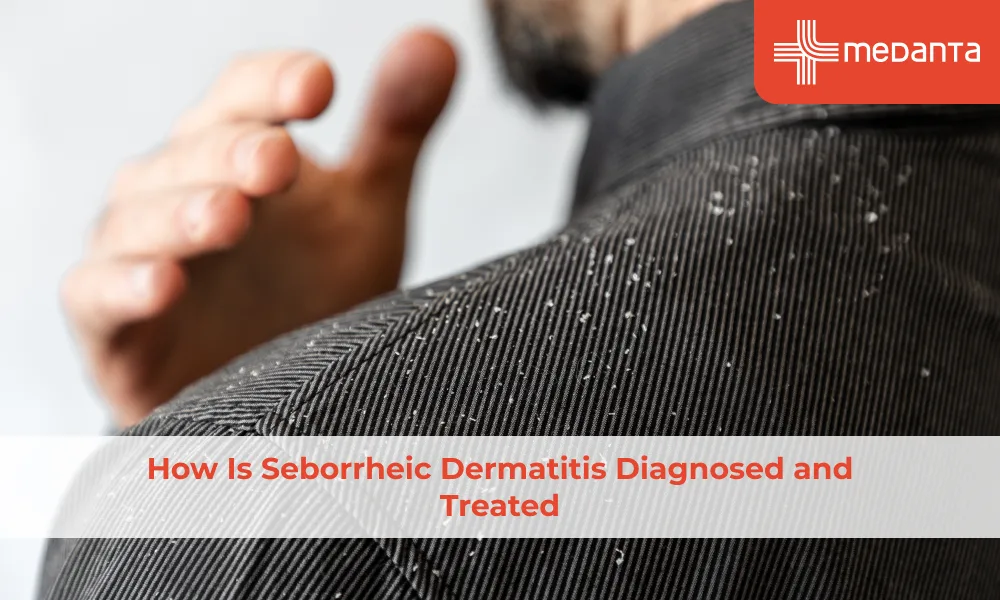
TABLE OF CONTENTS
Seborrheic dermatitis is a common skin condition that affects patients' daily lives by a lot. Red, flaky patches covered with greasy, yellowish scales characterise this persistent inflammatory skin disease, which appears on the scalp and other oil-rich body areas.
The condition's stubborn and recurring nature creates significant challenges. Symptoms of seborrheic dermatitis tend to worsen during stress, seasonal changes, illness, or hormonal changes. The condition demonstrates a bimodal distribution that affects both infants (mainly between two to twelve months old) and adults aged 30 to 60 years.
This article explains how doctors diagnose this persistent condition and explores various treatment options.
What is Seborrheic Dermatitis?
Seborrheic dermatitis is a widespread inflammatory skin condition that creates flaky, scaly patches in areas rich with oil. The disorder isn't contagious and shows up mostly on a person's scalp, face, chest, and back where sebaceous glands cluster. Adults usually experience it as dandruff on their scalp, while babies develop what's known as "cradle cap." The condition has no permanent cure, but the right scalp treatment can help manage its symptoms effectively.
Common Symptoms of Seborrheic Dermatitis
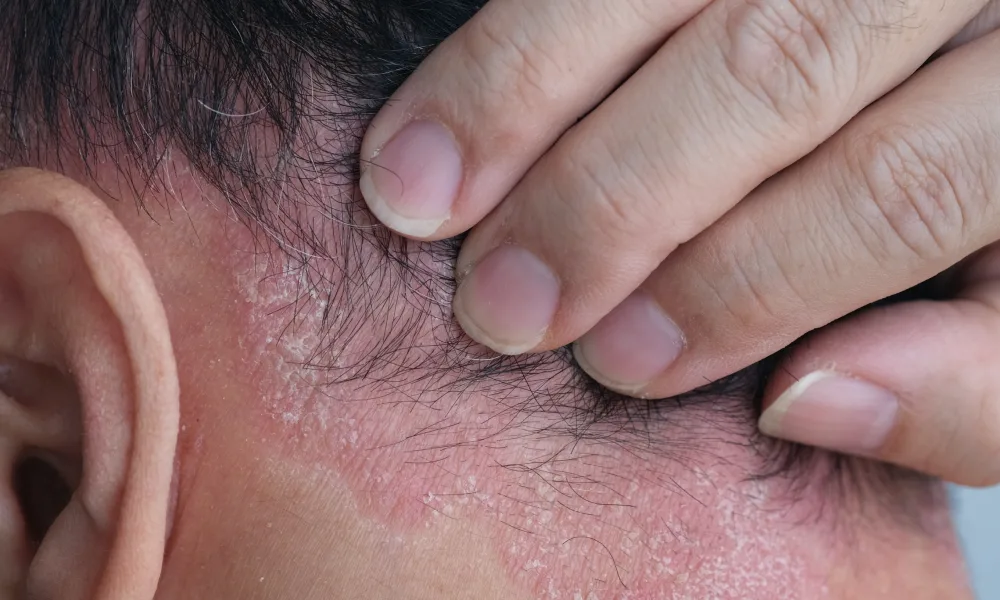
The characteristic signs of seborrheic dermatitis include:
White or yellowish greasy scales covering red, inflamed skin
Dry flakes or sticky dandruff on the scalp
Itchy areas that might burn or sting
Hair loss that doesn't last in affected spots
Thick, crusty skin plaques
The symptoms usually get worse during winter, but summer brings some relief.
Diagnosis
Doctors can spot seborrheic dermatitis by looking at the skin's appearance and how it spreads across the body. Mostly patients don't need lab tests. But doctors might run additional tests if they're not sure about the diagnosis. Diagnostic tests:
A skin biopsy rules out conditions like psoriasis
The KOH test looks at skin scrapings to find Malassezia fungus
Blood work helps check for HIV infection or nutritional deficiencies in severe cases.
Medical Treatments for Seborrheic Dermatitis
Topical antifungal medications are the treatment of choice for this condition. Medicines include:
Ketoconazole (2%) cream or shampoo stops fungi from growing and eases symptoms
Ciclopirox (1%) can be a better choice than ketoconazole because some patients tolerate it better
Hydrocortisone and other corticosteroid creams quickly reduce inflammation but should only be used briefly
Calcineurin inhibitors (tacrolimus, pimecrolimus) are great options for facial seborrheic dermatitis because they don't thin the skin
Home Remedies for Seborrheic Dermatitis
These natural remedies can help ease symptoms:
Tea tree oil shampoos utilise their antifungal properties to reduce scalp flaking
Aloe vera gel helps calm irritated skin and decrease redness
Coconut oil helps moisturise while fighting excess fungal growth
Lifestyle Tips to Manage Seborrheic Dermatitis
Your daily habits can relieve your symptoms. You should try:
Clean affected areas gently with recommended products
Stay away from skincare products with alcohol that can trigger flares
Regular meditation or exercise helps manage stress
Wear appropriate clothing to protect your skin from cold, dry weather
When to See a Dermatologist
You should get doctor help if:
Over-the-counter treatments aren't improving your symptoms
Your inflammation becomes painful or shows infection signs
The condition affects your daily life too much.
Conclusion
Living with seborrheic dermatitis definitely brings challenges to many people's lives. This stubborn skin condition affects many people, but there's hope through proper diagnosis and treatment. Doctors can spot the condition by looking at it, which makes diagnosis simple for most patients. The best way to manage this condition combines medical treatments with lifestyle changes.
Daily habits are a vital part of managing the condition. Gentle cleansing, stress management, and protection from weather keep symptoms under control between flares. On top of that, it helps to understand the condition's cyclical nature so patients can prepare for triggers like changing seasons or stressful times. While seborrheic dermatitis has no permanent cure most people can control their symptoms and maintain healthy skin throughout their lives with proper care.
FAQs
What causes seborrheic dermatitis?
Scientists still don't fully understand the exact cause. The research shows several factors work together. These are listed below:
Your skin naturally has Malassezia yeast, but it can grow too much
Your immune system's reaction to this yeast
Your skin's oil (sebum) production that feeds the yeast
Your genes play a role too
People with certain health conditions like Parkinson's disease, HIV infection, stroke, and depression face a higher risk. Things like stress, cold weather, being tired, and some medications can trigger flare-ups.
How do doctors diagnose seborrheic dermatitis?
Doctors usually make their diagnosis by:
Looking at the affected skin areas
Checking where the rash appears (typically in oily areas)
Learning about your medical background
You rarely need lab tests. Your doctor might take a skin biopsy or look at skin scrapings under a microscope if they're not sure about the diagnosis.
Can seborrheic dermatitis be treated at home?
Some effective home remedies are:
Dandruff shampoos with zinc pyrithione, selenium sulphide, or salicylic acid
Clean affected areas with gentle, soap-free products
Put mineral oil on scalp scales to soften and remove them
Wash affected areas regularly
Parents can help babies with cradle cap by gently loosening scales with a soft brush after shampooing.
What are the best medical treatments for seborrheic dermatitis?
These treatments work best:
Antifungal creams (ketoconazole 1-2% or ciclopirox 1%) to fight yeast growth
Short-term steroid creams to reduce inflammation
Calcineurin inhibitors (tacrolimus, pimecrolimus) for delicate areas
Oral antifungals like itraconazole for severe cases
UV light therapy can help if other treatments don't work.
Are there natural remedies to manage seborrheic dermatitis?
Some natural options show good results:
Shampoos with 5% tea tree oil work as natural antifungals
Aloe vera gel helps calm irritated skin
Omega-3 rich fish oil supplements can reduce inflammation
Probiotics help boost your immune system
Everyone's skin reacts differently, so you'll need to find what works best for you.
Can diet or lifestyle changes reduce seborrheic dermatitis symptoms?
Research shows diet makes a difference. One study found that eating lots of fruit lowered the risk. Foods that help include:
Leafy greens
Berries and tomatoes (rich in antioxidants)
Foods packed with vitamins A, D, E, and C
Managing stress, getting enough sleep, and staying away from harsh, alcohol-based skin products can improve symptoms.
How long does seborrheic dermatitis last?
Babies with cradle cap usually see it clear up within weeks or months. Adults often deal with it long-term, with symptoms coming and going. The good news is that proper treatment helps most people keep their symptoms under control.
When should I see a dermatologist for seborrheic dermatitis?
You should book an appointment if:
Regular treatments aren't helping after consistent use
Your rash hurts, forms crusts, or looks infected
The symptoms really affect your daily life or emotional well-being
You have a severe rash over large areas
Your symptoms suddenly get much worse (this might signal other health issues).
A dermatologist can prescribe stronger treatments and help you figure out what triggers your flare-ups.