1068
1068
 Request Call Back
 Contact
 1068
1068
Optic Neuritis: Causes, Symptoms, and Treatment Options
Published on: Dec 22, 2025
TABLE OF CONTENTS
Optic neuritis is a common eye condition that inflames the optic nerve and causes sudden vision problems that worry affected patients. The vision issues create anxiety among patients, especially due to their connection with other serious health conditions. The condition often points to deeper health issues and commonly appears as the first sign of demyelinating diseases like multiple sclerosis.
Doctors haven't pinpointed the exact cause yet. They believe the immune system attacks the optic nerve's protective covering by mistake. This attack leads to inflammation and myelin damage. Most patients' vision recovers substantially within weeks to months, despite these concerning factors. High-dose intravenous corticosteroids help patients recover faster, though they don't affect long-term vision outcomes.
This article explains what optic neuritis is, its symptoms, causes, diagnosis methods, and treatment options.
What is Optic Neuritis?
Optic neuritis occurs when inflammation damages your optic nerve - the crucial pathway that carries visual signals from your eyes to your brain. The condition disrupts how these signals travel, which leads to vision problems. Your doctor will likely find that optic neuritis affects just one eye, though both eyes can be involved in some cases.
Causes of Optic Neuritis
Doctors still don't fully understand why optic neuritis develops. They believe your body's immune system attacks the myelin sheath that covers the nerve. Multiple sclerosis remains the most common trigger. About half of MS patients experience optic neuritis during their illness. The condition also links to other autoimmune diseases like neuromyelitis optica, MOG antibody disease, lupus, and sarcoidosis.
Other reasons why people develop this condition are:
Viral infections: Herpes, varicella-zoster, measles, HIV
Bacterial infections: Tuberculosis, syphilis, Lyme disease
Fungal infections: Cryptococcosis, candidiasis
Some medications like ethambutol and environmental toxins (methanol) can also trigger this condition.
Risk Factors
Your risk of developing optic neuritis increases with these factors:
Age: The condition affects people between 20-40 years most often
Gender: Women's risk is 2-5 times higher than men's
Race: White individuals see higher occurrence rates
A history of autoimmune conditions
Symptoms of Optic Neuritis
Common symptoms are:
Vision loss that ranges from mild blurring to complete blindness and develops over hours to days
Eye pain that gets worse with eye movement
Colours appear faded or washed out
You might see flashing lights when moving your eyes
Blind spots can appear in your central vision
Types of Optic Neuritis (Typical vs Atypical)
Feature | Typical | Atypical | Paediatric |
Eyes affected | Usually one eye | Often both eyes | Usually both eyes in children under 10 |
Recovery | Rapid (days to weeks) | Slower recovery | Generally good outlook |
Pain | Common with eye movement | May be absent | Often presents with a headache instead |
Association | Commonly MS-related | Often linked to NMOSD or MOGAD | Usually post-infectious |
Steroid response | Improves with treatment | May be steroid-dependent | Responds well to treatment |
Diagnosis
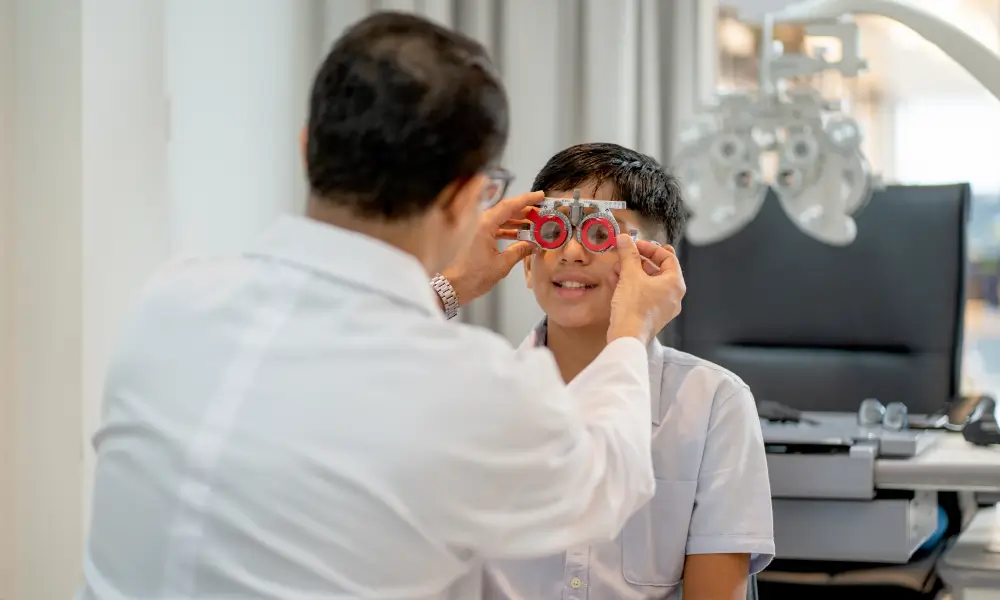
A detailed eye examination starts the process of diagnosing optic neuritis. Eye doctors look for specific signs through:
Pupillary light reaction tests that show how pupils respond to light
Visual acuity and colour vision testing
Ophthalmoscopy to check the optic disc (swollen in about one-third of cases)
MRI scanning is a vital tool because it shows optic nerve inflammation and potential brain lesions.
Blood tests can identify antibodies, especially when cases link to neuromyelitis optica.
Treatments
Treatment options are:
High-dose intravenous corticosteroids (typically methylprednisolone) remain the main treatment option. These medications help patients recover faster but don't change the final visual outcomes.
Plasma exchange therapy might benefit patients who experience severe vision loss and don't respond to steroids.
The strong connection with multiple sclerosis makes ongoing neurological monitoring necessary after an optic neuritis episode.
Vision improves substantially for most people within 2-3 months. About 95% of patients achieve visual acuity of 20/40 or better during this time.
Recovery improves with healthy lifestyle choices. Patients who manage conditions like diabetes and high blood pressure reduce their inflammation risks.
FAQs
What is optic neuritis?
The optic nerve connecting your eye to your brain can become inflamed, leading to a condition called optic neuritis. This inflammation disrupts how visual signals travel to your brain and affects your vision. Young adults between 20-40 years old face the highest risk, and women get this condition more frequently than men.
What causes optic neuritis?
Doctors haven't pinpointed the exact trigger, but several factors can lead to this condition. These are:
The body's immune system attacks the nerve's protective myelin coating by mistake
Multiple sclerosis (MS) stands out as the most common cause
Bacterial infections such as Lyme disease, syphilis, or tuberculosis can trigger it
Viral infections like measles, mumps, and herpes play a role
Exposure to certain medications or toxins (methanol) can damage the nerve
What are the early symptoms of optic neuritis?
Early symptoms are:
Eye movement causes pain in over 90% of cases
Vision becomes worse quickly within hours or days
Colours start looking dull or washed out
Moving your eyes creates flashing light sensations
Specific areas in your field of vision go dark
Can optic neuritis cause permanent vision loss?
Vision typically returns within 2-3 months. However, 3% of patients end up with permanent blindness in the affected eye. The risk of permanent vision loss increases without treatment, and both eyes could be affected.
How is optic neuritis diagnosed?
Doctors use several methods to confirm the diagnosis:
A detailed eye exam checks how pupils react to light
The doctor looks at the optic disc with an ophthalmoscope
MRI scans help detect inflammation and possible brain lesions
Blood tests reveal specific antibodies
Visual field tests measure your peripheral vision
What treatments are available for optic neuritis?
Treatment options include:
A 3-5 day course of intravenous methylprednisolone reduces inflammation
Oral steroids follow the IV treatment
Severe cases that don't respond to steroids may need plasma exchange therapy
Doctors treat underlying conditions like MS or infections
Some cases improve naturally without any treatment
How long does it take to recover from optic neuritis?
Each person's vision improves at their own pace after optic neuritis. About 8 in 10 patients see better vision within the first three weeks. The optic nerve needs 6-12 months to heal completely. Most patients get their vision back.
Is optic neuritis related to multiple sclerosis?
The link between optic neuritis and multiple sclerosis stands out as most important. A single episode of optic neuritis means a 50% chance of developing MS later in life.
Can optic neuritis occur in children?
Kids definitely can get optic neuritis too. Kids under 10 usually get it in both eyes at once, while older children's cases affect just one eye. Young patients bounce back well. The majority of children regain 20/40 vision or better within three months.
Are there lifestyle changes to support recovery from optic neuritis?
These lifestyle changes help support recovery:
Keep your body temperature steady because heat can make symptoms worse
Stay active to fight inflammation and stress
Stay away from tobacco
Eat a balanced diet to get the needed vitamins
Get quick treatment if you catch an infection