1068
1068
 Request Call Back
 Contact
 1068
1068
Neutrophils: Role, Function and Immune System Benefits
Published on: Mar 04, 2026
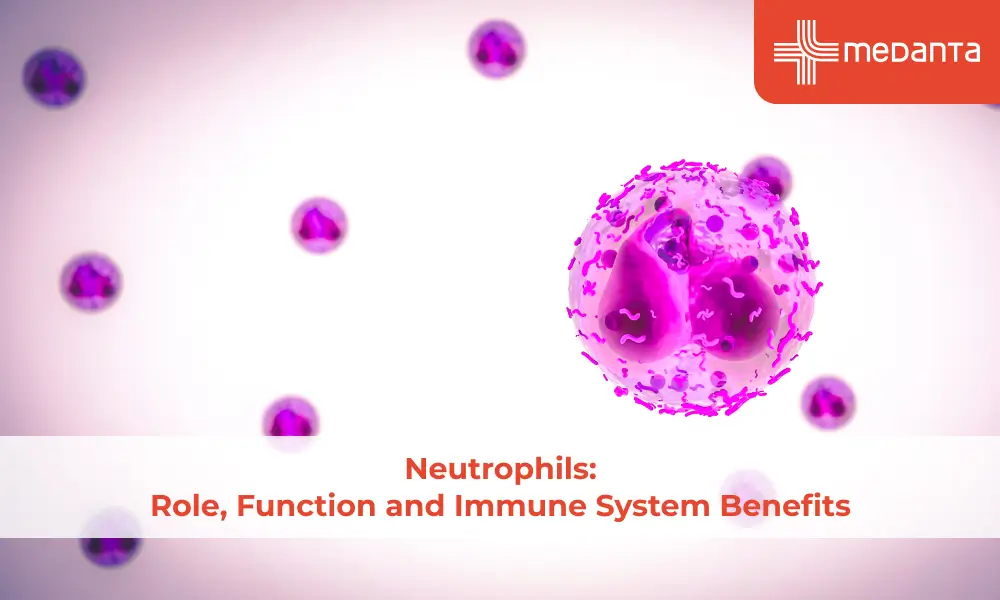
TABLE OF CONTENTS
- How Neutrophils Fight Infections
- The Role of Neutrophils in the Immune System
- Normal Neutrophil Count and Its Importance
- Low Neutrophil Count (Neutropenia): Causes and Risks
- High Neutrophil Count (Neutrophilia): What It Means
- How Neutrophil Levels Are Tested
- Supporting Healthy Neutrophil Function
- Neutrophils and Chronic Diseases
- Maintaining Immune Health: When to See a Doctor
- FAQs
Neutrophils serve as our body's primary defence shield and make up 50-70% of all white blood cells in our bloodstream. These tiny but powerful cells are the foundations of our immune system's rapid response team.
Our body produces around 100-200 billion neutrophils each day, which shows just how crucial they are. These cells live nowhere near as long as you might expect, with a half-life of just 19 hours. The bone marrow creates neutrophils and releases them into circulation, where they patrol our body and stand ready to act. When infection or inflammation
hits these cells rush from the blood to the affected areas through a process called the leukocyte adhesion cascade.
This article explores everything you need to know about these extraordinary immune cells.
How Neutrophils Fight Infections
In your body neutrophils are specialised cells with the ability to carry out many defence strategies. These cells come armed with a strong set of tools to fight germs. They detect infections and move faster to the affected site through a process called chemotaxis. These cells use phagocytosis as their main attack - they know how to swallow and digest bacteria and fungi. After consuming these invaders, neutrophils create special compartments called phagosomes to release powerful antimicrobial compounds.
These remarkable cells also form Neutrophil Extracellular Traps (NETs) by releasing their DNA and antimicrobial proteins to destroy pathogens that are too big to swallow. This combination makes neutrophils highly effective against bacterial and fungal infections.
The Role of Neutrophils in the Immune System
Neutrophils are the foundation of our innate immune defence. They rush to infection sites before other immune cells arrive. They also talk to other parts of the immune system and help shape the body's overall response.
These adaptable cells promote wound healing by releasing chemicals that trigger initial inflammation and resolve it subsequently (the process which helps repair damaged tissue).
Normal Neutrophil Count and Its Importance
Healthy adults should have neutrophil counts between 2,500 and 7,000 per microliter of blood. This balance will give good protection without too much inflammation. Blood tests can track these levels through an absolute neutrophil count (ANC).

Low Neutrophil Count (Neutropenia): Causes and Risks
Neutropenia happens when neutrophil counts drop below 1,500 per microliter. Common causes include:
Cancer and cancer treatments
Certain medications (including some antibiotics)
Infections (particularly viral)
Autoimmune disorders
Vitamin deficiencies (B12, folate, copper)
The risk becomes serious as counts fall, especially below 500 per microliter. People with severe neutropenia might get infections from harmless bacteria living on their bodies.
High Neutrophil Count (Neutrophilia): What It Means
Neutrophilia develops when counts go above seven thousand five hundred per microliter. Some of the conditions in which your body develops neutrophilia including but not limited to:
Active infection (particularly bacterial)
Inflammation from conditions like arthritis or inflammatory bowel disease
Physical stress or injury
Certain medications (especially corticosteroids)
Some blood disorders
While neutrophilia might not cause symptoms directly, its root causes often lead to fever, fatigue, or recurring infections. Your neutrophil levels help doctors diagnose conditions and make treatment decisions.
How Neutrophil Levels Are Tested
A blood test remains the quickest way to check neutrophil levels. A complete blood count (CBC) with differential shows different white blood cells (absolute neutrophil count (ANC) is all about how many neutrophils are there in your blood sample). Your ANC should typically fall between 2,500 and 7,000 neutrophils per microliter. Sometimes doctors need a bone marrow biopsy to assess cell production directly.
Supporting Healthy Neutrophil Function
You can keep your neutrophils healthy in several ways (some of them are mentioned below):
Infection prevention: Wash hands frequently and practise good hygiene
Prompt treatment: Address any injuries or infections quickly
Nutritious diet: Consume balanced meals rich in vitamins and minerals
Medication adjustment: Your doctor might modify your treatment if medications cause neutropenia
Doctors might prescribe antibiotics to prevent infection in patients with neutropenia.
Neutrophils and Chronic Diseases
Disease | Neutrophil Involvement |
Atherosclerosis | Neutrophils infiltrate early and late-stage lesions |
Diabetes | Enhanced neutrophil activation in T2DM patients |
Non-alcoholic Fatty Liver Disease | Neutrophil infiltration promotes disease development |
Autoimmune Disorders | Contributes to rheumatoid arthritis and psoriasis progression |
Myocardial Infarction | Infiltrates damaged heart tissue to clear debris |
Maintaining Immune Health: When to See a Doctor
You should call your doctor if you notice these symptoms that might relate to neutrophil imbalances:
Persistent fatigue
Recurring fevers
Frequent infections
Lymph node or joint swelling
Sores that heal slowly (particularly around your mouth or anus)
Neutropenia doesn't cause symptoms directly, so watching for signs of infection is vital. High neutrophil counts usually show symptoms linked to their root cause rather than the elevated levels.
FAQs
What are neutrophils and what is their role in the immune system?
White blood cells called neutrophils make up 50-70% of all circulating leukocytes in humans. Your body's defence force relies on these remarkable cells. They rush to infection or inflammation sites as first responders. Neutrophils shield you against invading bacteria and fungi. Your body would struggle against many infections without them, even from typically harmless organisms.
How do neutrophils fight infections?
Neutrophils use several powerful methods to eliminate threats:
Phagocytosis - They engulf and digest bacteria and fungi
Degranulation - They release antimicrobial substances from special storage compartments
ROS production - They create reactive oxygen species that destroy pathogens
NET formation - They expel their DNA to form neutrophil extracellular traps that capture microbes
These cells spot harmful invaders through pattern recognition receptors or by detecting antibodies on the microbe's surface.
What causes a low neutrophil count (neutropenia)?
Your neutrophil count falls below 1,500 cells per microliter in neutropenia. This happens due to:
Cancer and cancer treatments like chemotherapy
Specific medications including antibiotics and antiviral drugs
Infections such as COVID-19 and viral hepatitis
Autoimmune diseases like lupus
Bone marrow disorders
Lack of vitamin B12, copper, or folate
What does it mean if my neutrophil count is high?
Neutrophil levels above 7,500 per microliter indicate neutrophilia. Bacterial infections, inflammation, injury, or certain medications like corticosteroids often cause this condition. You might not notice symptoms from neutrophilia itself, but its root cause could bring fever, fatigue, or frequent infections.
How is neutrophil count measured?
A complete blood count (CBC) with differential reveals your neutrophil levels. This test determines your absolute neutrophil count (ANC) by multiplying the neutrophil percentage by the total white blood cell count. Normal ANC ranges from 2,500 to 7,000 neutrophils per microliter. Severe neutropenia occurs when values drop below 500, which creates a high risk of infection.
Can lifestyle or diet affect neutrophil levels?
Your daily habits can affect your neutrophil health. A balanced diet with specific nutrients helps keep proper neutrophil counts. Foods rich in omega-3 fatty acids boost phagocyte production and enhance white blood cell function. The antioxidants in green tea help curb infections by boosting the immune response.
Your body needs proper nutrition. Vitamin-rich foods play a vital role. Your body needs vitamin B12 and folate to make white blood cells. These nutrients keep your immune system healthy.
How does chemotherapy affect neutrophil production?
Chemotherapy disrupts neutrophil levels by damaging cells that divide faster. About half of all people on chemotherapy develop neutropenia. This happens because the treatment targets cancer cells and bone marrow that makes blood cells.
Neutrophil counts usually hit their lowest point 7-10 days after chemotherapy. The risk of infection becomes much higher during this time.
What symptoms indicate low neutrophil levels?
Low neutrophil counts rarely cause symptoms by themselves. But infections from low counts might show up as:
Fever above 100.4°F (38°C)
Ongoing fatigue and weakness
Mouth sores or gum problems
Frequent infections
Pain while urinating
How can I boost my immune system if I have low neutrophils?
You can strengthen your immune system through these steps:
Wash your hands thoroughly with antibacterial soap
Keep your vaccinations up to date
Stay away from raw meat, eggs, fish, and unpasteurised products
Add omega-3 fatty acids and zinc-rich foods to your diet
Brush and floss regularly for good oral health
When should I ask a doctor about my neutrophil count?
Call your doctor right away if you notice:
Temperature over 100.4°F (38°C) for more than an hour
Chills or sweating
New or getting worse confusion
Trouble breathing even at rest
Infections that keep coming back or sores that won't heal
If you're on chemotherapy or have a condition that affects neutrophil production