1068
1068
 Request Call Back
 Contact
 1068
1068
Natural Treatment for Dandruff: Causes, Remedies & Prevention
Published on: Mar 27, 2026
TABLE OF CONTENTS
- Common Causes of Dandruff
- Symptoms and Signs of Dandruff
- The Role of Diet and Nutrition in Dandruff Prevention
- Home Remedies to Treat Dandruff Naturally
- Herbs and Oils That Help Control Dandruff
- Lifestyle Habits That Reduce Dandruff Flare-Ups
- When Over-the-Counter Treatments Are Needed
- Preventive Tips to Stop Dandruff Recurrence
- When to Consult a Dermatologist for Dandruff
- FAQs
- References
Finding dandruff remedies that work can boost your confidence when those persistent white flakes keep appearing on your shoulders. Dandruff affects people of all ages and causes frustration beyond just the visible flakes. Dandruff happens when the scalp sheds dead skin cells. Certain things like Malassezia yeast overgrowth, oily or dry scalp, and stress can trigger it.
This article explains why dandruff occurs, its symptoms, and effective home remedies.
Common Causes of Dandruff
Excess oil production creates an ideal environment for Malassezia overgrowth. Other causes are:
Hormonal changes
Increasing age encourages yeast multiplication
Underlying medical conditions
Stress (doesn't cause dandruff but triggers hormonal changes that increase oil production)
Dry scalp from weather changes
Harsh hair products can mimic dandruff symptoms.
Symptoms and Signs of Dandruff
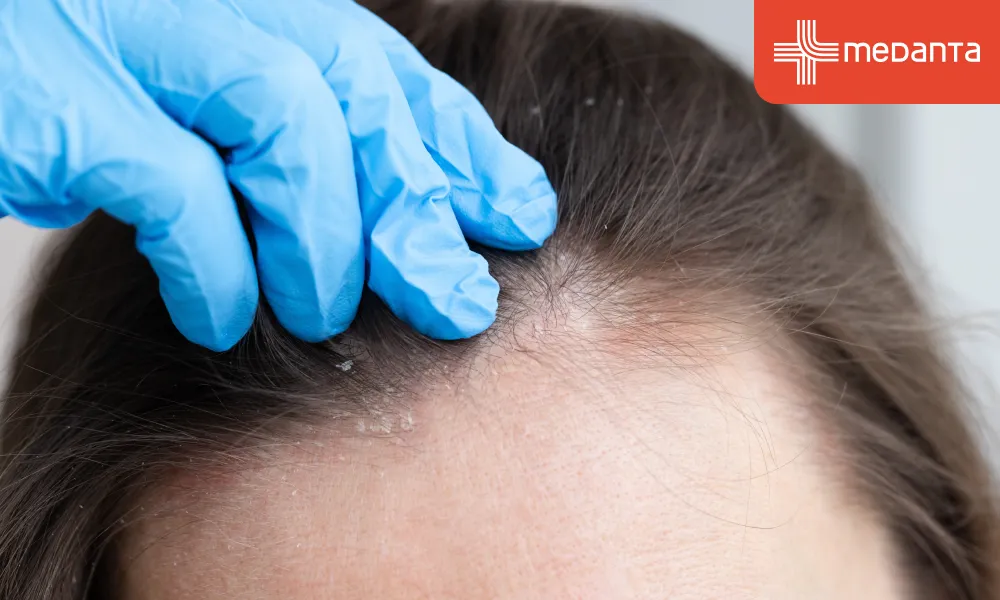
Dandruff produces oily, large yellow or white flakes that fall from the scalp onto hair, shoulders, or clothing. Other associated symptoms are:
Ichy scalp
Red, scaly skin
The scalp feels tender to the touch.
Dry scalp creates smaller, drier flakes without the oiliness.
The Role of Diet and Nutrition in Dandruff Prevention
Diet influences scalp health, though it won't cure dandruff alone. Cutting back on sugar may reduce inflammation that worsens flaking. Foods rich in omega-3 fatty acids and zinc support healthy skin function. Staying hydrated maintains scalp moisture & prevents excessive dryness.
Home Remedies to Treat Dandruff Naturally
Several kitchen ingredients provide relief from flaking. These are:
Massage 3-5 teaspoons of coconut oil into your scalp and leave for one hour, then shampoo.
Apply fresh aloe vera gel for 20-30 minutes before rinsing.
Mix equal parts apple cider vinegar with water and apply for 15 minutes.
These natural dandruff treatment options are a great way to get temporary relief for mild cases.
Herbs and Oils That Help Control Dandruff
Neem possesses antifungal properties that target Malassezia. Adding tea tree oil to shampoo helps prevent fungal infections. Essential oils like rosemary and peppermint soothe irritated scalps while fighting dandruff causing organisms. Amla strengthens hair follicles and prevents flaking.
Lifestyle Habits That Reduce Dandruff Flare-Ups
Certain lifestyle habits reduce dandruff. These are:
Wash your hair 2-3 times weekly with mild shampoo.
Hot water strips natural oils so use lukewarm water instead to wash your hair.
Exercise and meditation help reduce stress and stop hormonal reactions.
Brush your hair twice daily as it distributes scalp oils.
Stay hydrated
Eat foods rich in zinc and omega-3 fatty acids.
When Over-the-Counter Treatments Are Needed
Anti-dandruff shampoos work when home remedies fail. Use them weekly to get the best results. Look for active ingredients like pyrithione zinc, ketoconazole, or selenium sulphide. Leave shampoo on your scalp for 1 to 2 minutes before rinsing to allow it to work properly.
Dermatologists can prescribe stronger antifungal medicines or topical steroids for stubborn cases.
Preventive Tips to Stop Dandruff Recurrence
You can keep dandruff from coming back by taking some simple steps. These include:
Keep using an antidandruff shampoo weekly for a few weeks after symptoms clear (stopping treatment can bring dandruff back).
Do not leave hair oil on overnight.
Change your pillowcases often.
Frequently clean your hairbrushes and combs.
Switch between shampoos with different ingredients to prevent resistance from developing.
When to Consult a Dermatologist for Dandruff
Consult a dermatologist if:
Dandruff persists beyond 3-4 weeks despite treatment.
You experience severe symptoms like redness, thick scaling, or painful sores.
You have thick yellow or large flakes.
Flakes appear on the eyebrows, ears, or face.
FAQs
What causes dandruff on the scalp?
Malassezia yeast naturally lives on your scalp, but it can trigger flaking when it multiplies too much. This fungus feeds on scalp oils and breaks them down into fatty acids that irritate skin and speed up cell turnover. Oil and dead cells accumulate when you don't shampoo often. Cold weather makes dryness worse.
Can diet affect dandruff?
Your diet influences scalp health, though it won't cure flakes alone.
Reducing sugar helps lower inflammation.
Add foods rich in omega-3 fatty acids, zinc, and biotin to your diet to support healthy skin function.
Avoid processed foods and refined carbohydrates (they trigger insulin spikes that stimulate oil output).
Hydration keeps your scalp moisturised and prevents the dryness that causes flaking.
Are there natural remedies for dandruff?
Some effective home remedies are:
Tea tree oil with carrier oil massage
Coconut oil massage
Aloe vera hair mask
Does oiling the hair help with dandruff?
Oiling brings moisture to dry, itchy scalps. Tea tree and neem oils possess antifungal properties that curb Malassezia. But too much oil can clog pores and worsen symptoms. Adding more oil feeds the fungus when you have an oily scalp. Oil once weekly and wash after a few minutes.
How often should I wash my hair to prevent dandruff?
Wash hair 2-3 times weekly for most people. Those with oily scalps benefit from daily washing. Oil and dead cells build up when you don't shampoo often. Use anti-dandruff shampoo twice weekly at first.
Can stress cause dandruff?
Stress won't create flakes on its own, but it definitely makes existing dandruff worse. When you feel stressed your body produces cortisol that increases the oil on your scalp. This extra oil feeds the Malassezia fungus & causes more flaking.
Are herbal treatments effective for dandruff?
Herbal-based shampoos containing antifungal agents work well to control flakes. A study showed that herbal products with zinc pyrithione improved symptoms, with major improvements visible within just two weeks. These botanical ingredients offer antibacterial and anti-inflammatory benefits.
When should I see a dermatologist for dandruff?
You should visit a dermatologist if you notice:
Red painful patches.
Dandruff spreading to your face or ears.
Hair loss.
Burning sensations despite regular shampooing.
Oozing and crusting.
Can dandruff be completely cured naturally?
Dandruff cannot be eliminated for good. Regular care helps control symptoms, but stopping treatment causes flakes to return. Using natural remedies can help yet they need to be used to keep working over time.
How can I prevent dandruff from coming back?
Keep using your anti-dandruff shampoo for a while every week even when the symptoms are gone. This easy step helps to maintain a flake-free scalp. Sticking to good habits and the right treatments lowers the chances of it coming back.
References
Borda LJ, Wikramanayake TC. Seborrheic Dermatitis and Dandruff: A Comprehensive Review. J Clin Investig Dermatol. 2015;3(2):10. DOI: 10.13188/2373-1044.1000019
Schwartz JR, Messenger AG, Tosti A, et al. A Comprehensive Pathophysiology of Dandruff and Seborrheic Dermatitis. Int J Trichology. 2013;5(1):1–9. DOI: 10.4103/0974-7753.114700
Pappas A. Epidermal surface lipids. Dermatoendocrinol. 2009;1(2):72–76. DOI: 10.4161/derm.1.2.7811
Verallo-Rowell VM, Dillague KM, Syah-Tjundawan BS. Novel antibacterial and emollient effects of coconut and virgin olive oils in adult atopic dermatitis. Dermatitis. 2008;19(6):308–315. DOI: 10.2310/6620.2008.08052
Alzohairy MA. Therapeutics role of Azadirachta indica (Neem). Evid Based Complement Alternat Med. 2016;2016:7382506. DOI: 10.1155/2016/7382506
Satchell AC, et al. Treatment of dandruff with 5% tea tree oil shampoo. J Am Acad Dermatol. 2002;47(6):852–855. DOI: 10.1067/mjd.2002.122734
Piérard-Franchimont C, et al. A multicenter randomized trial of ketoconazole 2% and zinc pyrithione 1% shampoos. Skin Pharmacol. 2002;15(6):434–441. DOI: 10.1159/000066452
Kimyai-Asadi A, Usman A. The role of psychological stress in skin disease. J Cutan Med Surg. 2001;5(2):140–145. DOI: 10.1007/BF02737869