1068
1068
 Request Call Back
 Contact
 1068
1068
Coconut Oil for Hair: Benefits, Best Types and How to Use It
Published on: Sep 10, 2026
TABLE OF CONTENTS
- Is Coconut Oil Good for Hair? The Science
- Benefits of Coconut Oil for Hair Growth and Dryness
- Best Types of Coconut Oil for Hair
- How to Use Coconut Oil on Hair
- Coconut Oil for Dry Hair: Best Application Method
- Coconut Oil Hair Treatment Routine
- Side Effects and Who Should Avoid Coconut Oil on Hair
- Conclusion
- FAQs
- References
Coconut oil has been used in Indian hair care for centuries. It is the default oil in most Indian households across Kerala, Tamil Nadu, and coastal Karnataka, passed down through generations as a scalp treatment, pre-wash conditioner and post-wash shine enhancer. More recently, research has caught up with what practice already established: coconut oil penetrates the hair shaft in a way that most other oils cannot, reducing protein loss and protecting hair from within.
Despite the proliferation of synthetic hair products, coconut oil remains one of the few widely available, affordable, and evidence-supported hair care ingredients. This article explains what the science actually shows, how to choose the right type for your hair and how to use it correctly.
Is Coconut Oil Good for Hair? The Science
Coconut oil outperforms most other hair oils largely because of its unique molecular structure. Made up predominantly of lauric acid, a medium-chain saturated fatty acid with a notably low molecular weight, it can actually penetrate into the hair cortex rather than simply sitting on top of the cuticle, which is what most mineral oils and silicone-based products tend to do.
A landmark study published in the Journal of Cosmetic Science compared coconut oil, mineral oil, and sunflower oil for their ability to reduce protein loss in hair. Coconut oil was the only oil that significantly reduced protein loss in both undamaged and damaged hair. The study attributed this to the affinity of lauric acid for hair proteins (particularly keratin) and its ability to diffuse into the hair shaft along the protein structure.
Coconut oil also has antifungal characterstics. Caprylic acid & capric acid inhibit the growth of Malassezia globosa - the scalp fungus most commonly associated with dandruff.
Benefits of Coconut Oil for Hair Growth and Dryness
Top advantages are:
Reduces protein loss: Pre-wash application significantly reduces keratin protein loss during washing and combing, which over time reduces breakage, split ends and overall hair fragility
Moisturises and seals dry hair: Coconut oil fills gaps in the hair cuticle and reduces moisture loss from the hair shaft particularly relevant for dry, coarse or chemically treated hair
Reduces scalp dryness and dandruff: Coconut oil hydrates dry scalp skin, reduces flaking and inhibits Malassezia fungus
Protects against heat and mechanical damage: Pre-wash application reduces swelling of the hair during wetting (which causes internal mechanical stress) and reduces friction during combing and detangling.
Supports scalp health: The antibacterial and antifungal properties of coconut oil's medium-chain fatty acids support a healthy scalp microenvironment. A congested or fungal-imbalanced scalp produces hair that grows more slowly, breaks more easily and sheds at a higher rate.
Best Types of Coconut Oil for Hair
Not all coconut oil is the same. The processing method significantly affects quality and suitability for hair care.
Type | How It Is Made | Best For |
Virgin / cold-pressed coconut oil | Extracted from fresh coconut milk without heat. Full nutrient and fatty acid profile retained. | Scalp treatment, pre-wash oil, damaged or dry hair. The best all-round choice. |
Extra virgin coconut oil | Same as virgin; the term is largely marketing. No meaningful difference from virgin for hair use. | Same uses as virgin coconut oil. |
Refined coconut oil | Made from dried copra (desiccated coconut) and processed with heat, bleaching and deodorising. Some nutrients are lost. | Budget option for basic coating and shine. Less effective for scalp treatment. |
Fractionated coconut oil | A liquid oil from which the long-chain fatty acids have been removed, leaving only caprylic and capric acid. Stays liquid at all temperatures. | Lightweight scalp serums and carrier oils for essential oil blends. Less effective for deep penetration. |
Dry coconut oil (hair products) | Not a pure oil but a coconut oil-based spray or powder used as a styling product. Contains silicones and polymers. | Styling, frizz control & surface shine. Not a substitute for pure coconut oil treatment. |
For hair care in India, cold-pressed or virgin coconut oil is the recommended choice.
How to Use Coconut Oil on Hair
The method of application determines whether coconut oil penetrates the hair shaft or simply conditions the surface. Both have value, but the penetrating treatment requires more preparation.
Pre-wash treatment (overnight or 30 minutes before washing): Apply coconut oil to dry hair section by section, from roots to ends. Massage the scalp for five to seven minutes using circular movements with the fingertips. Leave on for a minimum of 30 minutes. Overnight application produces greater penetration. Wash out with shampoo, repeating if necessary. This method has the strongest scientific support for reducing protein loss.
Post wash finishing oil: Warm one to two drops between the palms and apply to the mid lengths and ends of damp or dry hair. Avoid the roots to prevent greasiness. This method controls frizz, adds shine and seals the cuticle after washing.
Scalp massage oil: Warm two to three teaspoons of coconut oil and apply directly to the scalp in sections. Massage for five to seven minutes. Leave on for at least one hour or overnight, then shampoo thoroughly. This is the most effective method for scalp dryness and dandruff.
Coconut Oil for Dry Hair: Best Application Method
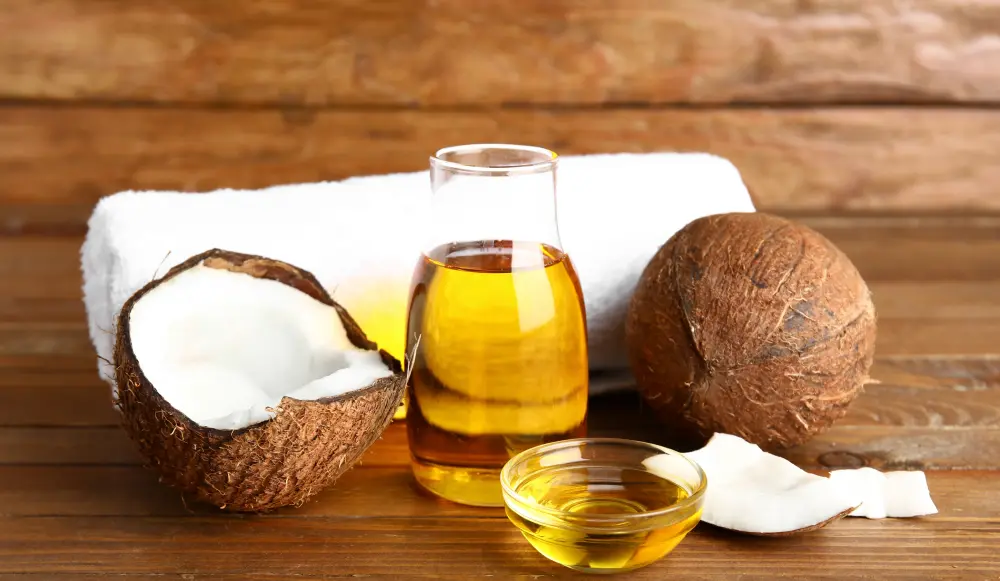
Dry hair has a disrupted cuticle that allows excessive moisture loss. Coconut oil addresses this by penetrating the cortex to reduce protein degradation and by coating the cuticle to reduce moisture evaporation from the surface.
For dry or coarse hair the most effective method is a warm overnight pre-wash treatment. Gently warm three to four teaspoons of virgin coconut oil by placing the bottle in warm water for two to three minutes. Apply section by section from roots to ends, paying particular attention to the ends and any areas of visible dryness. Cover with a soft cotton cloth and leave overnight. Shampoo thoroughly the following morning, using a gentle sulfate free shampoo if the hair is particularly fragile.
Repeating this treatment once weekly for four to six weeks produces noticeable improvements in texture, reduced breakage on combing and improved manageability.
Coconut Oil Hair Treatment Routine
A practical weekly routine for most Indian hair types:
Once or twice weekly (normal to oily hair): Apply coconut oil to the scalp and hair 30 to 60 minutes before washing. Shampoo and condition as usual. Use a small amount on the ends post-wash as a finishing treatment.
Once weekly (dry, coarse, or chemically treated hair): Overnight pre-wash treatment. Use a gentle shampoo to wash out and apply a small finishing amount to damp ends.
Twice weekly scalp treatment (dandruff or dry scalp): Warm coconut oil applied directly to the scalp for a minimum of one hour or overnight, then washed out. For significant dandruff use alongside a medicated ketoconazole or zinc pyrithione shampoo.
As a pre-styling protector: Apply a very small amount before heat styling to reduce heat-induced protein loss. Use sparingly, as excess oil before heat application can cause damage.
Side Effects and Who Should Avoid Coconut Oil on Hair
Coconut oil suits most hair types but there are circumstances where it does not work well. They are
Fine or low porosity hair: Coconut oil can weigh down fine hair, making it look flat and greasy rather than nourished. People with very fine hair often respond better to argan oil or jojoba oil.
Oily scalp: Applying coconut oil to an already oily scalp can exacerbate greasiness and contribute to scalp congestion
Protein-sensitive hair: Some people with highly processed or over-treated hair develop protein sensitivity, in which coconut oil causes the hair to feel stiff, brittle and more prone to breakage rather than softer.
Allergic contact dermatitis: Though rare, coconut oil contact allergy exists.
Conclusion
Coconut oil is one of the most well-studied natural hair care ingredients available. Its ability to penetrate the hair shaft and reduce protein loss sets it apart from most other oils and surface-only conditioning treatments. For the majority of Indian hair types, particularly dry, coarse and heat-styled hair, regular pre-wash application produces measurable improvements in hair strength, texture and scalp health.
Virgin or cold-pressed coconut oil, applied warm to the scalp and hair before washing, represents the most evidence-supported hair care use of this ingredient. Choosing the right type, using the correct method for your hair type and being consistent with the routine are the factors that determine whether coconut oil lives up to its reputation.
FAQs
Is coconut oil good for hair growth?
Coconut oil does not directly accelerate hair growth but supports the scalp conditions that allow existing follicles to function optimally. It reduces scalp inflammation, fungal load and hair breakage that indirectly supports healthier hair growth over time.
Which coconut oil is best for hair?
Virgin or cold pressed coconut oil is the best choice for hair care, retaining the full fatty acid profile and antifungal compounds lost during refining.
How often should I apply coconut oil to my hair?
Once or twice weekly as a pre-wash treatment is appropriate for most hair types. Dry or damaged hair benefits from weekly overnight treatment. Oily scalp types should limit application to the lengths and ends only, no more than once weekly.
Does warm coconut oil work better for hair?
Slightly warming coconut oil increases its penetration into the hair shaft by lowering its viscosity. Place the bottle in warm water for two to three minutes before application. Avoid microwave heating, which creates uneven hot spots that can cause scalp burns.
Can coconut oil help with dry, damaged hair?
Yes and this is where its evidence base is strongest. Coconut oil penetrates the hair cortex and reduces protein loss in both undamaged and damaged hair, which is particularly valuable for chemically treated, heat-styled or mechanically damaged hair. Consistent weekly overnight pre-wash treatment produces the best results for dry and damaged hair.
How do I massage coconut oil into my scalp correctly?
Use the fingertips with gentle circular movements across the scalp for five to seven minutes parting the hair in sections for even coverage. Do not scrub or apply excessive pressure as this can cause breakage at the roots. Warming the oil beforehand improves absorption.
Can coconut oil be left overnight on hair?
Yes overnight application produces better penetration than a 30-minute treatment, particularly for dry or damaged hair. Cover with a soft cotton scarf to protect the pillow. Shampoo thoroughly the following morning.
Is dry coconut oil better than regular coconut oil for hair?
Dry coconut oil refers to commercial styling products containing coconut oil derivatives not pure coconut oil. These provide surface shine and frizz control but do not penetrate the hair shaft. For treatment purposes pure virgin coconut oil is significantly more effective.
Does coconut oil have any side effects on hair or scalp?
Coconut oil can cause greasiness in fine or low-porosity hair, aggravate scalp oiliness if applied at the roots and rarely cause protein sensitivity in over-processed hair that becomes stiff rather than softer after use. Allergic contact dermatitis is uncommon but possible.
How long does it take to see results from coconut oil hair treatment?
Noticeable improvements in hair texture & reduced breakage typically appear after four to six weeks of consistent weekly treatment. Scalp dryness and mild dandruff improvements are often visible within two to three weeks. Results depend on starting hair condition and consistency of use.
References
1. Rele AS, Mohile RB. Effect of mineral oil, sunflower oil, and coconut oil on prevention of hair damage. J Cosmet Sci. 2003;54(2):175–92. https://pubmed.ncbi.nlm.nih.gov/12715094
2. Agero AL, Verallo-Rowell VM. A randomised double-blind controlled trial comparing extra virgin coconut oil with mineral oil as a moisturiser for mild to moderate xerosis. Dermatitis. 2004;15(3):109–16. https://doi.org/10.2310/6620.2004.04006
3. Evangelista MT, Abad-Casintahan F, Lopez-Villafuerte L. The effect of topical virgin coconut oil on SCORAD index, transepidermal water loss, and skin capacitance in mild to moderate pediatric atopic dermatitis. Int J Dermatol. 2014;53(1):100–8. https://doi.org/10.1111/ijd.12339
4. Ogbolu DO, Oni AA, Daini OA, Oloko AP. In vitro antimicrobial properties of coconut oil on Candida species in Ibadan, Nigeria. J Med Food. 2007;10(2):384–7. https://doi.org/10.1089/jmf.2006.1209
5. Gavazzoni Dias MF. Hair cosmetics: an overview. Int J Trichology. 2015;7(1):2–15. https://doi.org/10.4103/0974-7753.153450