1068
1068
 Request Call Back
 Contact
 1068
1068
How to Increase Breast Milk Production: Foods to Boost Lactation
Published on: Jan 16, 2026

TABLE OF CONTENTS
Let’s be honest becoming a new mom can feel like you’ve been dropped into a world where everyone has an opinion, especially when it comes to breastfeeding. One minute you’re told “Breast milk is best,” and the next, you’re worrying if you’re even making enough milk in the first place. If you’ve ever sat up at 2 a.m. googling “How to increase breast milk?”—you’re definitely not alone.
The truth is, breastfeeding is natural, but that doesn’t mean it’s always easy. Many mothers have moments of doubt about their milk supply. But the good news? There are plenty of ways some tasty, some practical to help boost lactation. Let’s dive in together.
Why Some Mothers Have Low Milk Supply
Struggling with milk supply is way more common than most people think. And it’s not some kind of failure. There are so many reasons why milk production can be lower than expected:
Stress
Medical conditions like thyroid issues or hormonal imbalances
Previous breast surgery
Certain medications
Not breastfeeding or pumping often enough
Factors Affecting Breast Milk Production
Breast milk supply isn’t just about “trying harder.” Here are the main factors that can play a role:
Frequency of feeding: The more you breastfeed or pump, the more milk you’ll likely produce. It’s a supply-and-demand system.
Latch and positioning: If your baby isn’t latching well, they might not be removing milk efficiently.
Hydration and nutrition: Yes, what you eat and drink matters.
Rest and stress levels: This one’s tricky, but even just a few deep breaths or a quick nap can make a difference.
If you’re feeling overwhelmed, know that even small changes can help and you don’t have to do it all at once.
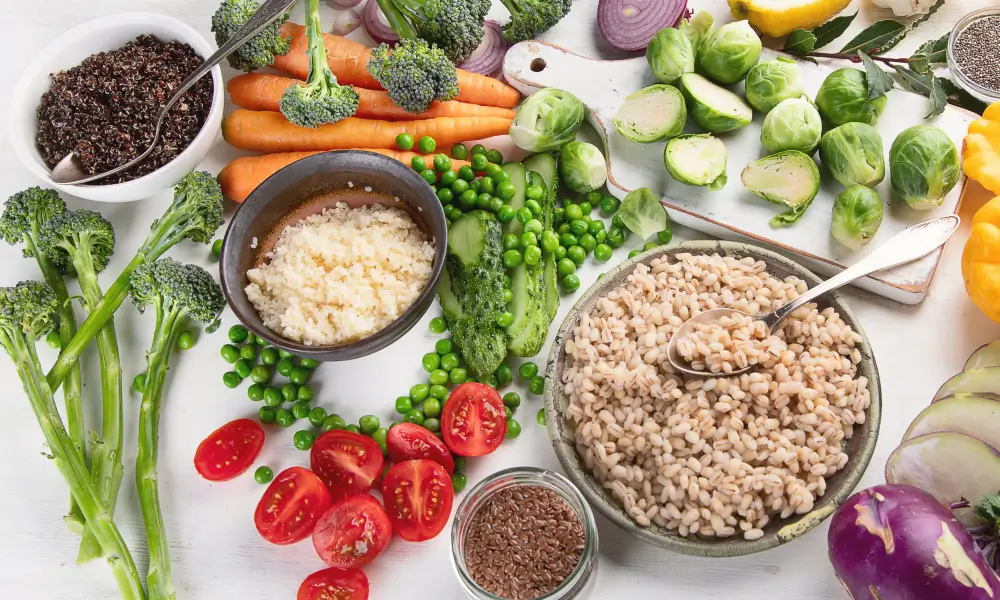
Top Foods to Boost Lactation Naturally
Maybe you’ve heard stories about special “milk-boosting” cookies or teas. While there’s no magic snack, certain foods are believed to support healthy milk production. Here are some favourites, and how you can add them to your day:
Oats: Oatmeal is a classic for a reason. It’s packed with iron and fibre. Start your morning with a warm bowl or bake some oat muffins for an easy snack.
Fenugreek Seeds: A lot of moms swear by fenugreek. Try adding a teaspoon to soup or brewing a fenugreek tea.
Fennel Seeds: Fennel is thought to mimic oestrogen and may promote milk flow. Sprinkle some seeds on salads or make a soothing tea.
Garlic: Besides adding flavour, garlic is believed to have lactogenic properties. Toss a couple of cloves into your stir-fry or soup.
Leafy Greens: Spinach, kale, and other greens are loaded with nutrients. Sneak some into smoothies, omelettes or pasta dishes.
Nuts and Seeds: Almonds, walnuts, chia, and flaxseeds are full of healthy fats and protein. Keep a little jar handy for snacking.
Barley: Barley can be made into soups or added to salads. It’s not just filling it may help with milk production too.
Carrots and Sweet Potatoes: These veggies pack a beta-carotene punch, which is important for lactating moms. Try roasted sweet potatoes or carrot sticks as a snack.
Brewer’s Yeast: Often found in lactation cookies brewer’s yeast is rich in B vitamins. Add it to smoothies or sprinkle on popcorn for a savoury treat.
Papaya: Especially popular in some cultures, green papaya can help support lactation. Simmer it in soups or enjoy it as a salad.
Asparagus: Known as Satavari in India is known to increase milk supply.
Ajwain Water: It is normally given in postpartum period; supports milk supply
Remember, there’s no need to force yourself to eat something you don’t enjoy. Mix and match what feels right for you.
Other Natural Ways to Increase Breast Milk Supply
Food is just one piece of the puzzle. Food is just one piece of the puzzle. Here we are giving you some other tried and true tips:
Nurse or pump frequently: Every 2-3 hours is a good goal, specially during the night if you can manage it.
Ensure a good latch: If you’re unsure, reach out to a lactation consultant.
Try skin-to-skin contact: Holding your baby close can help stimulate milk production.
Switch sides: Alternate breasts during feedings to encourage even production.
Gentle breast massage: Massaging before or during feeds can help with let-down and emptying.
Don’t stress if you can’t do all of these perfectly. Just do what you can, when you can.
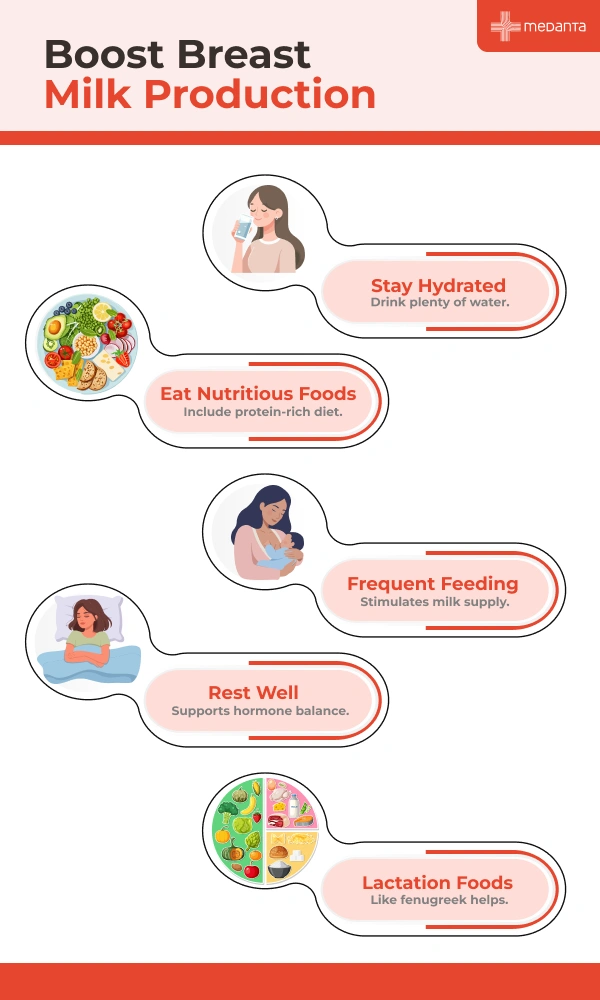
Lifestyle Tips for Effective Breastfeeding
Sometimes, it’s the little things that make the biggest difference:
Stay hydrated: Keep a water bottle by your feeding chair. You’ll be surprised how thirsty you get.
Eat balanced meals: Include a nutritionally rich variety of food, fruits, nuts and seeds in your meals.
Rest (when possible): Yes, it’s hard. Even closing your eyes for a few minutes helps.
Ask for help: Whether it’s your partner, friend or a professional, you don’t have to go it alone.
Limit stress: Easier said than done, but even five minutes of deep breathing can help reset your nervous system.
Medical Supplement: Ask your doctor they can give you supplement.
When to Consult a Doctor About Low Milk Supply
It is easy to second-guess yourself (especially with so much advice floating around). But there are times when getting professional support is the best next step. Reach out to your obstetrician or a lactation consultant if:
Your baby isn’t gaining weight as expected
You notice that the baby is not passing urine adequately.
Feedings are always painful
You feel anxious or overwhelmed about feeding.
Trust your instincts. If something doesn’t feel right, it’s worth consulting your doctor.
Conclusion
Breastfeeding is a journey with ups, downs, and lots of learning along the way. If you’re worried about your milk supply, you’re not alone, and there are plenty of ways to support your body, from the food you eat to the support you seek. Remember, you don’t have to strive for perfection. Small, steady steps can make a real difference. Give yourself credit for showing up every day.
FAQs
How can I naturally increase breast milk production?
Frequent breastfeeding or pumping, staying hydrated, eating nutritious foods (like oats, leafy greens, and nuts), and reducing stress can all help. Skin-to-skin contact with your baby and ensuring a good latch are also important.
What foods help boost lactation?
Oats, fenugreek, fennel seeds, leafy greens, garlic, nuts, seeds, barley, and papaya are popular choices. Try to incorporate these into your meals in ways you enjoy.
Can herbal supplements increase milk supply?
Some moms find fenugreek, blessed thistle, or milk thistle helpful. But you should be aware that herbal supplements are not good for everyone (talk to your doctor before starting anything new).
How often should I breastfeed to improve milk production?
Aim for every two to three hours (even at night). The more you empty your breasts, the more milk you will make.
Are there lifestyle changes that can help increase milk supply?
Yes getting enough rest, managing stress, staying hydrated and eating balanced meals gives a boost to your breast milk production.
How do I know if my baby is getting enough milk?
Look for regular weight gain, 6 or more wet diapers daily, and a satisfied baby after feeding. If you’re ever unsure, check with your doctor or lactation consultant.
When should I consult a doctor for low breast milk supply?
If your baby isn’t gaining weight, or not peeing adequately, or if breastfeeding is painful, reach out to a professional for support.
Can stress or diet affect breast milk production?
Absolutely. High stress and poor nutrition can impact supply, but small changes like simple meals, more water, or a little extra rest can help.