1068
1068
 Request Call Back
 Contact
 1068
1068
How Many Calories Are in a Banana: Nutrition Facts and Health Benefits
Published on: Jan 09, 2026
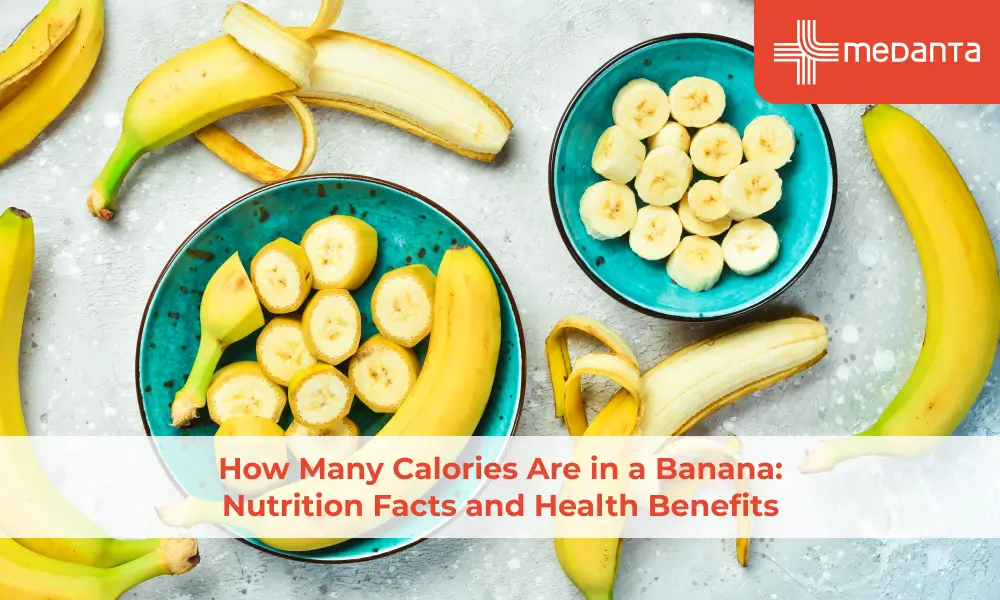
TABLE OF CONTENTS
- Calories in a Banana: Small, Medium, and Large Sizes
- Carbohydrates, Sugar, and Fibre Content in Bananas
- Other Nutritional Benefits: Vitamins and Minerals
- Health Benefits of Eating Bananas
- How to Include Bananas in a Healthy Diet
- Banana-based Snacks and Recipes
- Precautions for Diabetics and Low Sugar Diets
- Conclusion
- FAQs
Bananas are a favourite for so many people, and honestly, it’s easy to see why. They are full of healthy nutrients but don’t weigh you down with extra calories. One medium banana has only about 100 calories so you can grab one when you want something quick and healthy.
Worried about sugar? Bananas actually have a low glycemic index, so they won't spike your blood sugar. They're easy to take anywhere, and they keep you satisfied for a while. They are loved because you can eat them as they are, toss them in a smoothie, or even bake them into something tasty. However you enjoy them, you're getting a little boost of nutrition without much fuss.
Calories in a Banana: Small, Medium, and Large Sizes
Size determines a banana's calorie content.
Extra small bananas (under 6 inches) have about 72 calories
Small ones (6-7 inches) contain around 90 calories
Medium bananas (7-8 inches) pack 105 calories
Large bananas (8-9 inches) contain 121 calories
Extra large ones have more than 135 calories
Carbohydrates, Sugar, and Fibre Content in Bananas
But there’s more to bananas than just being a low-cal fruit. A medium banana contains about 27 grams of carbohydrates. This starch travels undigested to the large intestine and feeds beneficial gut bacteria.
Other Nutritional Benefits: Vitamins and Minerals
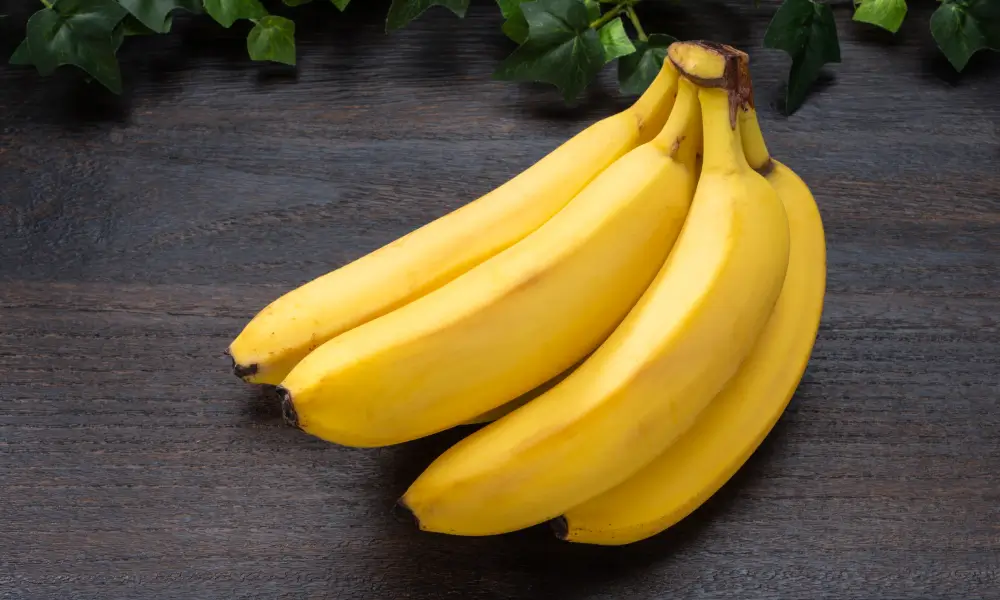
Bananas deliver more than simple nutrients. Here’s what you get in one medium banana:
• Around 28 grams of carbs for energy
• About 15 grams of natural sugar (the type of sweet your body likes)
• 3 grams of fibre to help you feel full
• Nearly 10% of your daily potassium, which is great for your heart
• Over 30% of your vitamin B6 which boosts your energy and mood
• Plus, a bit of vitamin C and magnesium to round things out
It’s kind of amazing how much goodness is packed into one simple fruit.
Health Benefits of Eating Bananas
A banana's fibre supports digestive health and regular bowel movements.
Potassium helps control blood pressure and supports muscle function.
Vitamin C acts as an antioxidant.
Due to their carbohydrate makeup these fruits can become a sustained source of energy for you.
The fibre also helps you feel full, which can help with weight control.
Other benefits are:
Improve focus
Reduce acidity and heartburn
Promote good gut bacteria
Improve mood (due to vit B6)
Support kidney health
How to Include Bananas in a Healthy Diet
Breakfast is the best time to enjoy bananas. You can slice them over whole grain cereal or blend them into smoothies for morning energy. A peanut butter sandwich or yoghurt parfait tastes great with banana slices at lunch. Dinner recipes work well with bananas too (they add sweetness to fruit salsas and curry dishes).
Banana-based Snacks and Recipes
This versatile fruit lets you get creative in the kitchen. Frozen peeled bananas make a refreshing ice cream alternative. You can bake them into oatmeal cookies with less sugar. Fresh bananas work perfectly as a quick snack between meals. The ripe ones add natural sweetness when mashed into pancake batter or quick bread recipes.
Precautions for Diabetics and Low Sugar Diets
Blood sugar levels need careful monitoring with bananas. Slightly under ripe bananas have less sugar but keep their nutritional value. The sugar absorption slows down when you pair bananas with protein rich foods like nuts or Greek yoghurt. Portion size matters most - people who watch their carbs should stick to half a banana.
Conclusion
Bananas are a nutritional powerhouse that perfectly combines taste with health benefits. These yellow fruits stay relatively modest in calories despite their sweet flavour - a medium-sized banana has just 105-110 calories. Their impressive nutrient profile makes them a great addition to your daily diet. You get potassium for heart health, vitamin B6 for brain function, and dietary fibre for digestion (all these benefits in one convenient package).
The versatility of bananas definitely adds to their appeal. You can eat them fresh as a quick snack, blend them into morning smoothies, or bake them into healthier versions of your favourite treats. Everyone can benefit from bananas whatever their fitness goals or dietary priorities. People who monitor their blood sugar levels can still enjoy this fruit by controlling portions and pairing it with protein sources.
A banana makes a quick, nutritious snack without any preparation. This perfectly packaged fruit delivers convenience, nutrition, and satisfaction - all in its own biodegradable wrapper. Without doubt, all but one of these foods match the banana's perfect balance of nutrition, convenience, and delicious taste.
FAQs
What is an anti-inflammatory diet?
An anti-inflammatory diet is all about eating real, wholesome foods that can help calm down inflammation. It is not always easy to know where to start but choosing foods that are packed with nutrients makes a big difference.
Which foods help reduce inflammation naturally?
If you’re looking to lower inflammation, try adding more fruits, veggies, fatty fish, olive oil, and a handful of nuts or seeds to your meals. Spices like turmeric and ginger can also work wonders.
Can a 21-day anti-inflammatory diet improve chronic inflammation?
A lot of people notice they feel better—more energy, easier digestion, and less inflammation after just a few weeks. Everyone’s different, but 21 days can be enough to start seeing changes.
What foods should be avoided to lower inflammation?
Try to cut back on processed snacks, sugary treats, fried foods, and anything with trans fats. Too much alcohol can also make things worse, so it’s best to keep it in check.
How do I plan meals for an anti-inflammatory diet?
Start by building your meals around simple, whole foods. Mix things up with different colours and flavours, and if you can, prep a little ahead of time. It’s easy to forget, but skipping processed stuff really helps.
Are there supplements that help with inflammation?
Some folks find that omega-3s, turmeric or probiotics help, but it’s always smart to check with a doctor or nutritionist before adding new supplements.
How quickly can I see results from an anti-inflammatory diet?
Some improvements may be seen within 1–2 weeks, while long-term benefits develop with consistency.