1068
1068
 Request Call Back
 Contact
 1068
1068
Health Benefits of Moong Dal for Digestion, Weight Loss & Diabetes
Published on: Mar 17, 2026
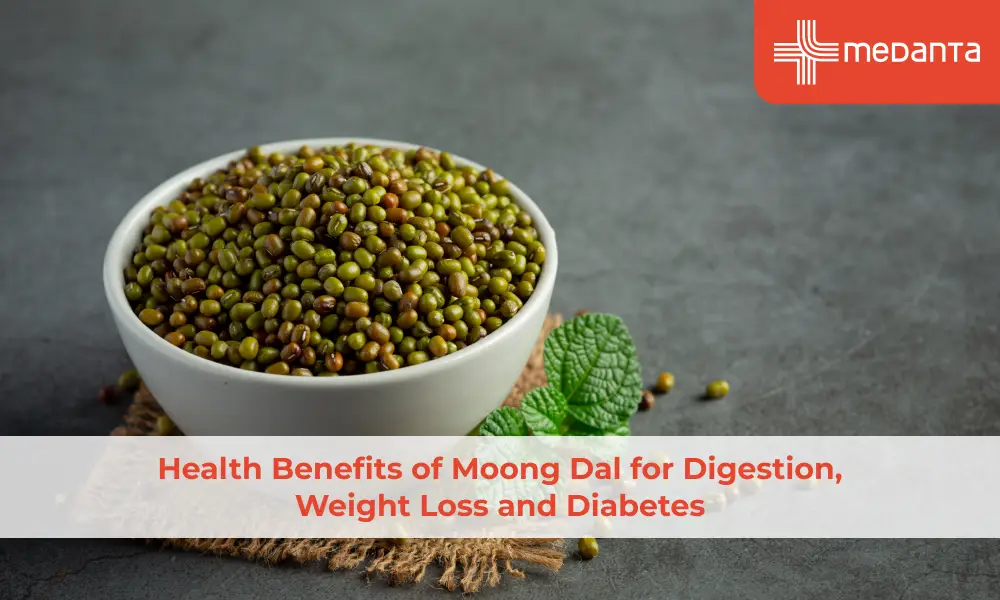
TABLE OF CONTENTS
Moong dal benefits go way beyond what this humble yellow split lentil looks like. It offers nutritional advantages that support overall wellness. Each cooked cup packs 14 grams of protein and contains over 15 grams of dietary fibre. This makes it a powerhouse for digestive health. Nutritionists recognise it as one of the easiest pulses to digest. The moong dal glycemic index is low and prevents sudden blood sugar spikes. Its high fibre content promotes satiety and weight management. Let's explore moong dal nutrition in detail and examine whether moong dal is good for weight loss and diabetes management.
What Is Moong Dal?
Legume seeds earn their nickname 'poor man's meat' and with good reason too. Moong dal is among the most valued edible legume crops worldwide.
Splitting the whole green gram (moong bean) creates two varieties. Yellow moong dal has got its name due to the process of removal of the outer green skin which converts it into tiny yellow lentils. Chhilka moong dal retains its green jacket even after splitting. This small, oval-shaped bean brings both culinary flexibility and nutritional strength to meals.
Nutritional Profile of Moong Dal
Per 100 grams of cooked moong dal the nutritional breakdown reveals:
Nutrient | Amount |
Calories | 105 kcal |
Protein | 7 g |
Carbohydrates | 19-19.2 g |
Dietary Fibre | 7.6 g |
Fat | 0.4-0.5 g |
Folate | 159 µg |
Iron | 1.4-1.5 mg |
Magnesium | 48 mg |
Potassium | 266 mg |
This pulse delivers essential amino acids including lysine, arginine, isoleucine, leucine, valine and phenylalanine. B vitamins (B1, B2, B3, B5, B6, B9) come alongside minerals like phosphorus, zinc and copper.
Health Benefits of Moong Dal
Moong Dal for Digestive Health
Moong dal contains pectin, a soluble fibre that speeds the movement of food through the digestive tract and helps prevent constipation. The resistant starch acts in a different way; it feeds beneficial gut bacteria like Bifidobacteria, which produce butyrate to maintain colon health. A 100-gram serving provides approximately 57% of the daily dietary fibre requirement and helps digestion run more smoothly, without the bloating common with other legumes. This prebiotic effect strengthens immune defences and reduces inflammation risks.
Role in Weight Management and Satiety
Portion control becomes easier when protein and fibre work together. The combination suppresses ghrelin, the hunger hormone that triggers cravings. Research shows that many individuals reported feeling fuller after consuming legumes and were less likely to overeat. The low fat profile combines with high protein content. It gives you a better metabolism through the thermic effect and requires more energy for digestion (creating sustained fullness that lasts hours, not minutes).
Benefits for Blood Sugar Control and Diabetes
Moong dal's low glycemic index doesn't cause a spike in blood sugar levels. The fibre and protein slow glucose release into the bloodstream, while antioxidants vitexin and isovitexin enhance insulin effectiveness. Complex carbohydrates ensure steady energy without the crashes (crashes are common in simple carbohydrates). Diabetics find this pulse especially helpful for maintaining stable readings throughout the day.
Whole moong has a low glycaemic index of approximately 25–32. Processed or cooked moong dal has a higher GI and should be consumed in measured portions by diabetic patients.
Heart Health Benefits of Moong Dal
Cardiovascular wellness receives a boost from potassium and magnesium, minerals that regulate blood pressure by relaxing vessel walls. The soluble fibre binds bile acids in the digestive system (because of which your liver pulls more LDL cholesterol from the bloodstream). Zero cholesterol content makes it heart-friendly by nature.
Ways to Include Moong Dal in Your Daily Diet
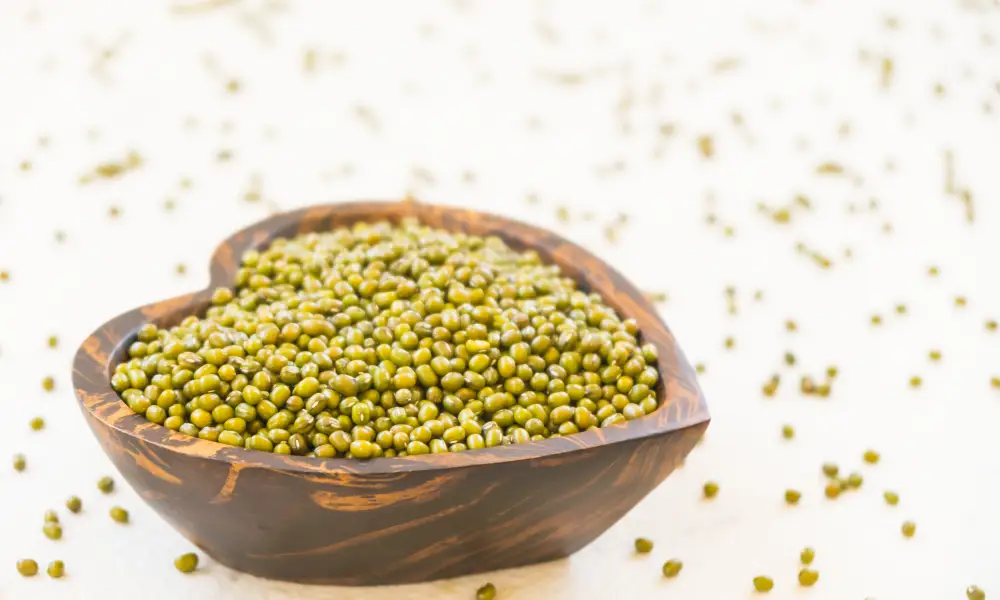
Your kitchen becomes more exciting when you experiment with different forms. These include:
Roasted moong dal works as a protein-packed snack mixed with nuts.
Sprouted versions add crunch to salads, stir-fries and soups.
Traditional preparations like dal tadka, khichdi and savoury pancakes or cheela (these are household favourites across India).
You can blend soaked moong dal into batter for crispy dosas or cook it into creamy porridge sweetened with jaggery.
Moong dal salad with cucumber and coriander brings refreshing flavours.
Side Effects or Precautions
Overconsumption triggers digestive discomfort, especially bloating and gas. Raw sprouts carry bacterial contamination risks and light steaming makes them safer for vulnerable groups. People with high uric acid should limit their intake since excessive protein increases purine formation. Those with kidney conditions need caution as protein places extra filtering demands on organs. Legume allergies are rare but require attention.
Scientific Studies Supporting Health Benefits
Research documents that moong bean can ameliorate hyperglycaemia, hyperlipemia, and hypertension. Studies confirm its hepatoprotective and immunomodulatory activities. The mung bean induces less flatulence and children tolerate it well.
Tips for Cooking Moong Dal to Maximise Nutrition
Soaking for 6-8 hours improves bioavailability and reduces antinutrients. Cook for 30 minutes until tender without turning mushy. Wash well to remove dust and starch. Combining with rice creates complete amino acid profiles.
FAQs
What are the health benefits of moong dal?
Moong dal benefits are many. They are:
Protein for muscle repair and fibre for gut health
Antioxidants curb free radicals
Blood pressure regulation and lowers your bad cholesterol
Blood sugar stays controlled
Weight management becomes easier because of the low-calorie profile.
How does moong dal help digestion?
Pectin, a soluble fibre type, speeds food movement through your digestive tract and prevents constipation. Resistant starch nourishes beneficial gut bacteria. They produce butyrate that maintains colon health and reduces inflammation.
Can moong dal help with weight loss?
The protein and fibre combination suppresses hunger hormones and keeps you satisfied longer. People felt fuller after eating legumes reducing overeating tendencies. Protein's thermic effect can give your metabolism a boost and burn more calories during digestion.
Is moong dal good for people with diabetes?
Yes thanks to the low moong dal glycemic index of 38. Antioxidants like vitexin boost insulin effectiveness. Fibre slows glucose absorption. It prevents blood sugar spikes that refined carbs cause.
How does moong dal support heart health?
Fibre binds bile acids and forces your liver to pull LDL cholesterol from the blood. Potassium relaxes blood vessels and helps regulate blood pressure. The zero-cholesterol content makes it heart-friendly.
How much moong dal should I consume daily?
Half to one cup of cooked dal suits most people. This provides 100-200 calories without overwhelming your digestive system.
Are there any side effects of eating moong dal?
Excessive portions sometimes trigger gas and bloating when your body adjusts to increased fibre intake. Raw sprouts carry bacterial contamination risks from Salmonella or E. coli. Antinutrients like phytates interfere with mineral absorption, though soaking reduces this concern. People with high uric acid or kidney conditions should moderate their consumption.
Can children and elderly eat moong dal?
Yes. Moong dal induces less flatulence and children tolerate it well. Many studies recommend it as a supplement for infant weaning food owing to high protein content and hypoallergenic properties. The pulse serves as a rich iron source and is suitable as baby food. Elderly people benefit from its easy digestibility and mild flavour (which suits those with eating difficulties). It provides a protein supplement for both age groups.
What are the best ways to cook moong dal for health?
Soaking before cooking increases nutrient availability and helps with better absorption. Lightly steaming or sautéing sprouts for 2-3 minutes eliminates harmful bacteria and preserves vitamin C. Combine them with rice for a complete amino acid profile.
Are there studies supporting the benefits of moong dal?
Studies document that it can reduce hyperglycemia and hyperlipemia (while demonstrating anticancer, hepatoprotective and immunomodulatory activities). Research confirms regular legume consumption associates with lower cardiovascular disease risk.