1068
1068
 Request Call Back
 Contact
 1068
1068
Grade 1 Fatty Liver: Symptoms, Causes, Treatment & Diet Tips
Published on: Mar 16, 2026
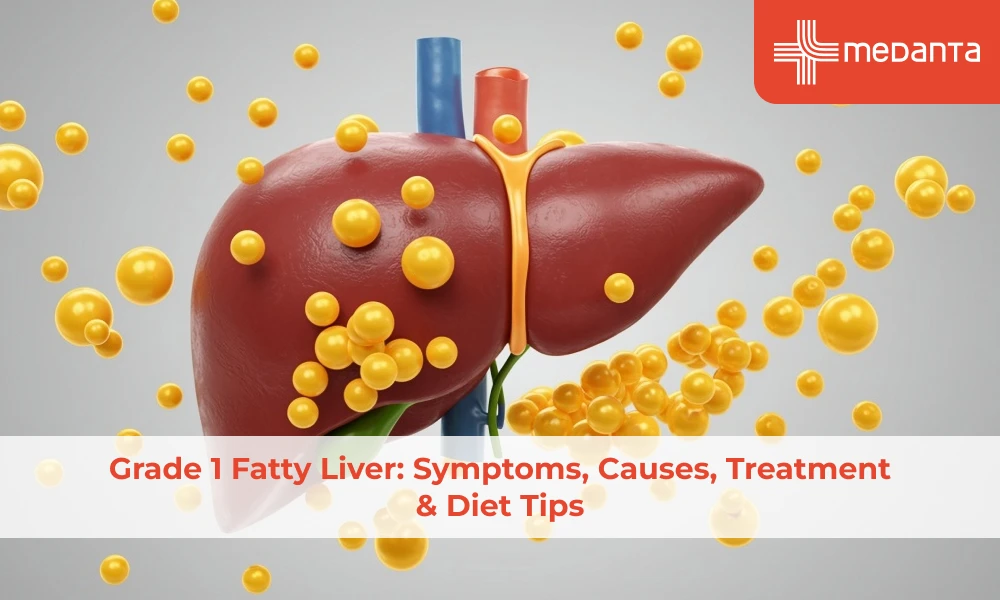
TABLE OF CONTENTS
Grade 1 fatty liver is a silent health condition that affects millions of people worldwide. Doctors also call it mild hepatic steatosis. The condition marks the beginning stage of non-alcoholic fatty liver disease (NAFLD) as excess fat starts building up in liver cells.
Most people don't know they have it until medical tests reveal the condition. The liver stores extra fat when people consume too many calories from food or alcohol. The good news is that people can reverse grade 1 fatty liver by making lifestyle changes under medical supervision.
More people get this condition because of rising obesity rates, type 2 diabetes, & metabolic syndrome. A small 3-5% drop in weight can improve liver health significantly. Simple daily habit changes might reverse this condition. This article explains what grade 1 fatty liver is, its symptoms, causes and diet plans that help the liver heal.
What Is Grade 1 Fatty Liver?
In a healthy person the liver contains a small amount of fat. But when this fat makes up 5-10% of the liver's weight it is categorised as grade 1 fatty liver. This signals the start of non-alcoholic fatty liver disease (NAFLD) - now called metabolic dysfunction-associated steatotic liver disease (MASLD) - that might get worse over time. This mildest form acts as an early warning signal. The fat accumulation hasn't caused major damage at this point. Medical imaging tests show the liver appears slightly brighter than normal because of extra fat content. Most patients develop only grade 1 fatty liver and don't even know they have it.
Non-alcoholic fatty liver disease (NAFLD) is now officially renamed MASLD (Metabolic dysfunction-associated steatotic liver disease). Both terms refer to the same condition.
Common Causes of Grade 1 Fatty Liver
Several factors can lead to this condition:
Excess weight or obesity
Type 2 diabetes or insulin resistance
High blood triglycerides and cholesterol
Metabolic syndrome
Poor diet high in saturated fats and refined sugars
Rapid weight loss
Genetic predisposition
Some medications (HIV treatments, corticosteroids)
Toxin exposure
Heavy alcohol consumption
Symptoms of Grade 1 Fatty Liver to Watch For
People rarely notice symptoms with grade 1 fatty liver. All the same, some might experience:
Tiredness even after enough rest
Discomfort or fullness in the upper right abdomen
Enlarged liver (hepatomegaly)
Higher liver enzymes in blood tests
These subtle signs could point to many health issues, not just fatty liver. Doctors need proper medical tests to make an accurate diagnosis.
Treatment
Grade 1 fatty liver doesn't need specific medications. The doctors suggest lifestyle adjustment, weight management, and treatment of the underlying condition.
Medical Treatments for Grade 1 Fatty Liver
Lifestyle changes and regular workouts improve the condition. No FDA-approved medicines exist specifically for grade 1 fatty liver. But doctors may prescribe treatments for underlying conditions.
Patients with diabetes need medicines that control blood sugar to prevent further liver damage.
People with high cholesterol might benefit from statins or other lipid-lowering drugs.
Vitamin E supplements might help reduce liver inflammation in some cases.
Diet Tips to Manage and Reverse Fatty Liver
The Mediterranean diet works best to manage mild fatty liver. According to this eating plan you should focus on:
Fresh fruits and vegetables (especially leafy greens)
Whole grains like oats and brown rice
Lean proteins such as fish enriched in omega-3 fatty acids
Healthy fats from olive oil, nuts, and avocados.
Your liver health improves by avoiding processed meats, refined carbohydrates, sugary drinks, and fried items. A moderate weight loss of 3-5% can substantially improve your liver's condition.
Lifestyle Changes for Better Liver Health
Physical activity plays a vital role in reducing liver fat. You should try at least 150 minutes of moderate exercise weekly. Your liver needs complete elimination of alcohol consumption because it adds extra stress. Good sleep and stress management help your liver recover faster.
When to See a Doctor for Fatty Liver
You should see a doctor when:
Fatigue or general ill health continues
You have risk factors like obesity, diabetes, or high cholesterol
Abnormal liver function tests persist over time
You have a family history of liver disease
Lifestyle changes do not improve liver-related findings
Blood tests and imaging help track your improvement and prevent the condition from becoming more serious.
Conclusion
A diagnosis of Grade 1 fatty liver might worry you at first. But here's the good news - this early stage gives you the best chance to reverse the condition completely. The disease affects nearly one-third of adults worldwide. Many people don't even know they have it until their routine blood tests show something's wrong.
Your liver has amazing healing powers. Even small changes can transform your health. Losing just 3-5% of your body weight can improve your liver health by a lot. The Mediterranean diet and exercise are your powerful allies in this recovery. Additionally, it helps to quit alcohol completely to let your healing liver rest.
Your fatty liver didn't develop overnight, and healing takes time and consistency. Quick fixes won't work here - focus instead on lifestyle changes you can stick with for the long run. This condition responds best to your daily habits rather than short-term medical treatments. Early detection and quick action stop the disease from getting worse. Your liver works hard to keep you healthy, so it deserves the same dedication from you.
FAQs
What causes grade 1 fatty liver?
Excess calories turn into fat in liver cells, which leads to grade 1 fatty liver. Common triggers are:
Being overweight
Insulin resistance
Type 2 diabetes
High triglycerides
Metabolic syndrome
Poor eating habits
Some medications like amiodarone and tamoxifen
What are the symptoms of grade 1 fatty liver?
Most people don't notice any symptoms. Doctors usually find that there is fatty liver during tests for other conditions. You might feel tired, have mild discomfort in the upper right abdomen, or feel unusually full.
Can grade 1 fatty liver be reversed?
Yes! You can completely reverse grade 1 fatty liver by changing your lifestyle. Research shows that losing 3-5% of body weight helps improve liver health. Better yet, losing 7-10% can substantially reduce liver inflammation.
How do doctors diagnose fatty liver?
Doctors spot fatty liver through several methods:
Blood tests that show elevated liver enzymes
Imaging tests (ultrasound, CT, MRI, FibroScan)
Transient elastography to measure liver stiffness
Liver biopsy (rarely needed for grade 1)
What treatments are available for grade 1 fatty liver?
Treatment targets why it happens instead of using medications. Weight loss is the lifeblood of treatment. Losing 10% of body weight works best, but benefits start even with a 3-5% loss.
What foods should I eat for a fatty liver?
The Mediterranean diet gives exceptional results. Load up on vegetables, fruits, whole grains, fish, olive oil, and nuts. Coffee, green tea, and oatmeal help your liver stay healthy. Stay away from sugary drinks, processed foods, and alcohol.
Can lifestyle changes help manage fatty liver?
Absolutely! Your liver recovers better with regular exercise (150 minutes weekly), good weight management, no alcohol, and controlled diabetes or cholesterol levels.
When should I ask a doctor about fatty liver?
You should get medical advice if you have risk factors like obesity, diabetes, or high cholesterol. Don't wait to see a doctor if you notice jaundice, swelling in your abdomen, or feel extremely tired.