1068
1068
 Request Call Back
 Contact
 1068
1068
Colon Cleanse: Methods, Benefits, and How to Do It Safely
Published on: Mar 16, 2026

TABLE OF CONTENTS
- Why Colon Cleansing is Important for Digestive Health
- Common Methods of Colon Cleanse
- Colon Hydrotherapy: Procedure and Benefits
- At-Home Colon Cleansing Options
- Benefits of Colon Therapy for Overall Health
- Dietary Tips to Support a Healthy Colon
- Precautions and Risks of Colon Cleansing
- When to Consult a Doctor
- Conclusion
- FAQs
People's interest in colon cleanse methods, benefits and safety practices has grown a lot lately. Studies show that most people get colon cleanses to prepare for a colonoscopy. Some people choose this procedure as part of alternative health routines to "detoxify" or boost digestive health. A newer study, published in 2024, reveals that limiting water might harm gut microbiota and lower certain immune cells in the colon.
Health experts say you should drink 6-8 glasses of warm water each day to gently cleanse your colon. Many people now prefer natural home methods instead of intensive procedures that push 60 litres of fluid through a tube into the rectum. A study from 2010 shows that home remedies combined with specific yoga poses can help cleanse the colon.
This article explains what colon cleansing process is, its importance, risks, and other effective ways to cleanse gut.
Why Colon Cleansing is Important for Digestive Health
The colon is a vital part of the digestive system. It improves healthy gut bacteria which protect against infections and maybe even colon cancer.
People who support colon cleansing believe that built-up waste and toxins can cause health problems. The basic contours suggest that digestive waste becomes toxic when the body doesn't eliminate it properly. Many people try this practice to improve their digestion and overall wellbeing though scientific evidence remains limited
Common Methods of Colon Cleanse
You can cleanse your colon through several methods. These are:
Herbal teas and oral supplements
Dietary modifications
Enemas
Hydrotherapy (colonic irrigation)
Laxatives (osmotic and stimulant types)
Colon Hydrotherapy: Procedure and Benefits
A colonic hygienist performs this professional procedure by sending about 60 litres of fluid through a tube into the rectum. Each session runs for 45-60 minutes. The hygienist controls water pressure and temperature to keep you comfortable. Practitioners say this treatment improves digestion, boosts energy, and helps you think more clearly.
At-Home Colon Cleansing Options
You can try several home-based options to clean the colon naturally. These are:
Saltwater flushes: It includes drinking lukewarm water mixed with non-iodised salt on an empty stomach
High-fibre diets: You should include fruits, vegetables, whole grains, and seeds in your daily diet to promote regular stools
Probiotic foods: Yoghurt, curd, and fermented foods help maintain healthy gut bacteria
Herbal supplements: Certain herbs may aid digestion but you should take them after consulting with your doctor
Yoga: Certain yoga poses stimulate digestion and improve bowel movements. You can try pawanmuktasana, malasana, paschimottanasana (seated forward bend), and bhujangasana
Research from 2010 showed that combining saltwater with yoga poses cleaned the colon effectively.
Benefits of Colon Therapy for Overall Health
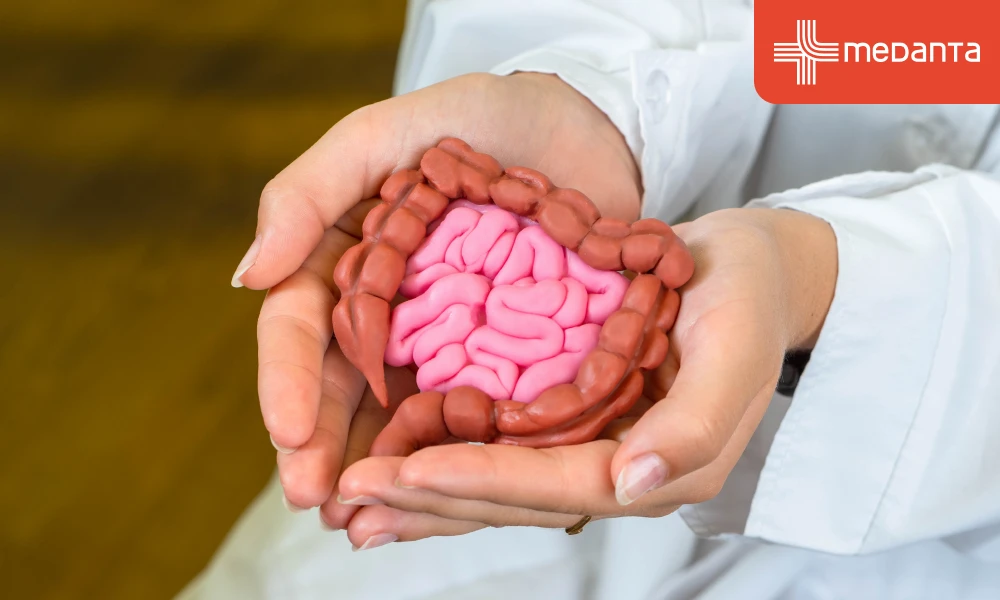
Colon therapy (when done under a doctor's guidance) offers many benefits. These are:
Relief from constipation, bloating, and gas
Better nutrient absorption
Promotes regular bowel movements
Higher energy levels
Detoxify the whole body
Dietary Tips to Support a Healthy Colon
A healthy diet is the key to keeping your colon working well. Your digestive system works best with proper nutrition daily, without needing harsh treatments.
Your plate should prioritise fibre-rich foods. Wholegrains, fresh vegetables, legumes and fruits are your colon's closest allies. These foods make waste move smoothly through your digestive tract and feed the good bacteria in your gut.
Water makes a huge difference to your digestive comfort. Good hydration keeps your stool soft and helps with natural elimination. You need at least eight glasses daily. Warm water works better as it naturally triggers bowel movements.
The following colon friendly foods deserve a spot on your menu:
Fermented foods like yoghurt, kimchi and sauerkraut add beneficial probiotics
Green leafy vegetables pack nutrients and fibre
Apples, pears and berries contain pectin that helps elimination
Chia and flax seeds expand in your digestive tract and sweep away debris
The foods you avoid matter just as much. Processed foods, too much red meat, refined sugar and alcohol can upset your digestive system and cause inflammation. Stick to whole, unprocessed foods with simple preparation.
This smart approach to eating is the most gentle and effective way to keep your colon healthy long-term. Your digestive wellness improves with these daily habits rather than relying on occasional cleanses.
Precautions and Risks of Colon Cleansing
Colon cleansing methods might be popular, but their risks often outweigh any claimed benefits.
Colon cleansing can lead to several serious health issues. These are:
Dehydration and electrolyte imbalances that put stress on your kidneys and could lead to kidney failure
Bowel perforation (a tear in your intestinal wall) that needs emergency surgery
Infection risks from equipment that isn't properly sterilised
Bacterial imbalance because good gut bacteria gets washed away with the waste
You might experience cramping, bloating, nausea, vomiting, and anal irritation.
When to Consult a Doctor
Some people groups have a higher risk of complications and need to talk to their doctors before trying the colon cleansing process. These are:
People with gastrointestinal conditions (diverticulitis, Crohn's disease, or ulcerative colitis)
Those with recent colon surgery or rectal tumours
Individuals with severe haemorrhoids
Patients with kidney disease or heart conditions
Anyone with diabetes
Conclusion
Many people try colon cleansing to improve their digestion, but evidence shows a careful approach works better. Natural methods are safer than hydrotherapy, laxatives, and enemas. You can support your colon health by drinking warm water daily, eating foods rich in fibre, and adding probiotics to your diet. These balanced approaches keep your colon working properly without extreme measures.
You should talk to your doctor before starting any cleansing method, especially if you have health conditions. Note that your body can cleanse itself naturally. Supporting these functions through healthy habits works better than aggressive treatments. A careful approach to colon health ended up giving better long-term results than quick fixes.
FAQs
What is colon cleanse and why is it done?
A colon cleanse flushes out the large intestine to remove waste and toxins. Doctors use it mainly as preparation for colonoscopies. Some people also need colon cleansing to help with chronic constipation or faecal incontinence.
How does colon hydrotherapy work?
The procedure involves a professional sending about 60 litres of fluid through a tube into your rectum. Each session takes 45-60 minutes. The therapist might massage your abdomen to help release waste.
Are there safe ways to cleanse your colon at home?
Water stands out as the safest natural method. You should drink six to eight glasses daily. On top of that, eating fibre-rich foods, fermented products, and resistant starches helps natural cleansing.
What are the benefits of colon therapy?
Supporters say it improves digestion, reduces bloating, boosts nutrient absorption, and increases energy levels.
Can colon cleansing help with digestive issues?
You might see temporary relief from constipation symptoms. But this shouldn't become your go-to solution for digestive problems.
Are there any risks associated with colon cleansing?
The risks include dehydration, electrolyte imbalances, infection, bowel perforation, and disruption of gut bacteria. These dangers usually outweigh any potential benefits.
How often should colon cleansing be done?
Most people who choose to cleanse find that once every few months is sufficient. Note that you should talk to a doctor first, especially when you have existing medical conditions.