1068
1068
 Request Call Back
 Contact
 1068
1068
Fatty Pancreas: Causes, Symptoms, Treatment and Is It Dangerous?
Published on: Sep 30, 2026
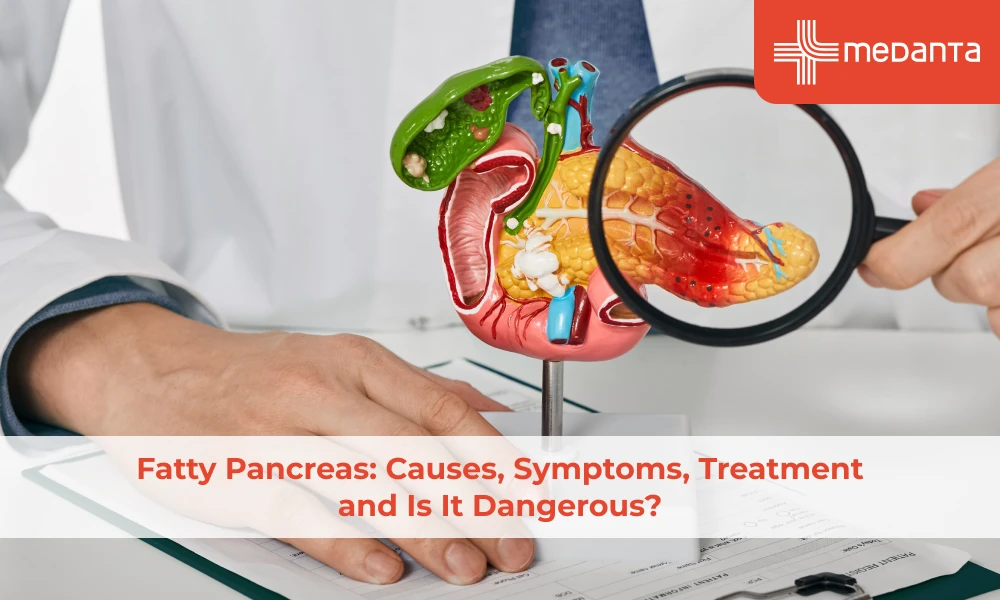
TABLE OF CONTENTS
- What Is Fatty Infiltration of the Pancreas?
- Common Causes of Fatty Pancreas
- Symptoms to Watch For
- Best Diet for Fatty Pancreas - Foods to Eat and Foods to Avoid
- Is Fatty Pancreas Dangerous? Long-Term Risks
- Does Fatty Pancreas Mean Cancer? Clearing the Myth
- How Fatty Pancreas Is Diagnosed
- Who Is at Risk of Developing Fatty Pancreas?
- Treatment and Diet Changes for Fatty Pancreas
- Prevention Tips
- Conclusion
- FAQs
- References
Fatty pancreas medically known as pancreatic steatosis or non-alcoholic fatty pancreas disease is a condition in which excess fat accumulates within the tissue of the pancreas. Just as fat can build up in the liver (fatty liver) or in the arteries, it can also build up silently in the pancreas, gradually affecting how the organ functions.
The pancreas produces digestive enzymes that break down food in the small intestine and hormones (mainly insulin and glucagon) that regulate blood sugar. When fat infiltrates the pancreatic tissue, both of these functions can be impaired over time. In India, where obesity, type 2 diabetes, and fatty liver disease are rising rapidly, fatty pancreas is increasingly detected on routine abdominal ultrasounds and represents an important and growing clinical problem.
What Is Fatty Infiltration of the Pancreas?
Fatty infiltration of the pancreas refers to the abnormal replacement of normal pancreatic cells particularly the enzyme-producing acinar cells by fat cells. This is not a fatty cyst or tumour. It is a diffuse process in which fat gradually infiltrates the entire gland rather than forming a discrete lump.
On imaging, a fatty pancreas appears hyperechoic (unusually bright) on abdominal ultrasound because fat reflects sound waves differently from normal pancreatic tissue. Mild fatty infiltration may have no functional impact whereas severe infiltration can impair both the exocrine (digestive enzyme-producing) and endocrine (insulin-producing) functions of the pancreas. Fatty pancreas is not the same as pancreatitis, though the two conditions can coexist.
Common Causes of Fatty Pancreas
Fatty pancreas is the result of accumulated metabolic stress on the pancreas over months to years.
Obesity and central adiposity: Excess visceral fat is the single strongest risk factor for fatty pancreas. In India, central obesity is especially significant because Indian body composition predisposes people to accumulate visceral fat at a lower BMI than Western populations. A waist circumference above 90 cm in men and above 80 cm in women signals increased metabolic risk.
Type 2 diabetes: Both Type 2 diabetes and prediabetes are associated with fatty pancreas as insulin resistance causes excess fat storage in organs including the pancreas.
Unhealthy diet and metabolic syndrome: A diet high in refined carbohydrates (maida, white bread, packaged biscuits, excess white rice), added sugar, deep-fried foods (samosa, puri, pakora) and vanaspati promotes fat accumulation in the pancreas and is a main factor of metabolic syndrome.
Alcohol, NAFLD, and other factors: Chronic, heavy alcohol use causes direct toxic damage to pancreatic cells and promotes fat deposition in the pancreas. NAFLD shares the same metabolic root causes as fatty pancreas and frequently occurs alongside it.
Symptoms to Watch For
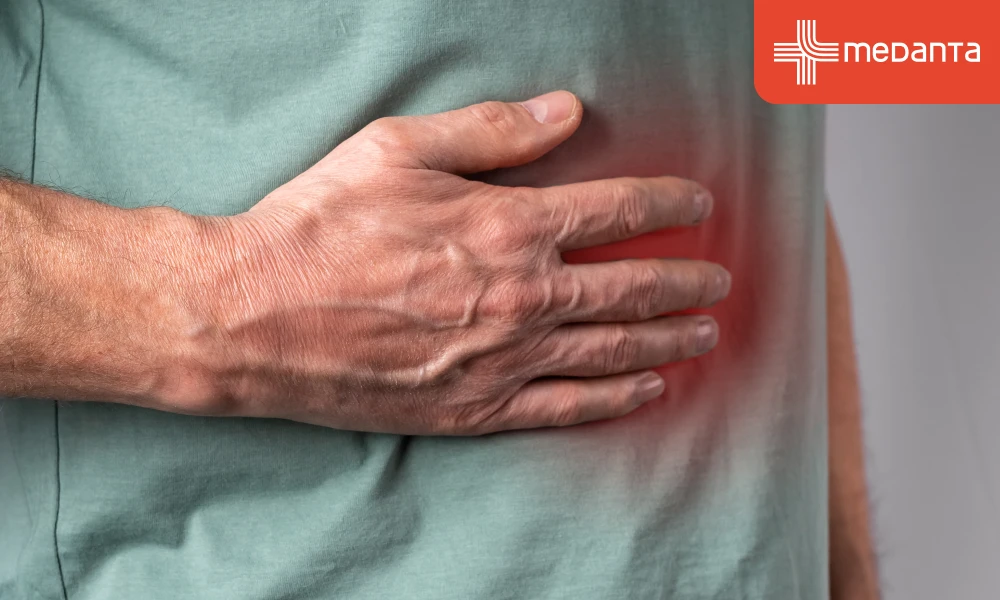
Fatty pancreas is often called a silent condition because most patients have no noticeable symptoms in the early stages. Most cases are discovered incidentally on an abdominal ultrasound ordered for an unrelated reason. When symptoms appear they present as:
Upper abdominal discomfort or dull aching pain below the breastbone, which may worsen after eating a fatty or heavy meal.
Bloating, indigestion and a feeling of fullness after eating.
Fatty or oily stools (steatorrhoea) - pale, loose, difficult-to-flush stools indicate that dietary fat is not being properly digested because of insufficient pancreatic lipase.
Worsening blood sugar control in patients with existing diabetes may reflect beta cell dysfunction caused by fat infiltration of the pancreatic islets.
Sudden, severe upper abdominal pain radiating to the back with nausea and vomiting suggests acute pancreatitis.
Best Diet for Fatty Pancreas - Foods to Eat and Foods to Avoid
Diet is the most powerful tool for treating and preventing fatty pancreas. The goal is to reduce metabolic stress on the pancreas by reducing visceral fat improving insulin sensitivity and lowering blood triglycerides.
Foods to eat:
Whole grains and millets: Replace refined grains with jowar, bajra, ragi, whole wheat atta and brown rice (all these are high in dietary fibre which slows glucose absorption and reduces blood triglycerides). Dal (toor, moong, masoor), rajma, chana and all types of beans provide plant based protein and complex carbohydrates that keep blood sugar stable.
Healthy fats and lean protein: Mustard oil and groundnut oil are healthier cooking choices than vanaspati. Fatty fish such as rohu and sardines provide omega-3 fatty acids that reduce blood triglycerides. Eggs and low-fat curd (dahi) are good protein sources. All non-starchy vegetables like spinach, methi, lauki, capsicum and tomatoes can be eaten freely.
Foods to avoid:
Refined carbohydrates and sugar: Maida-based foods (white bread, puri, bhatura, packaged biscuits and processed snacks), excess white rice, and all forms of added sugar (in chai, cold drinks, packaged fruit juices, and mithai) cause rapid blood glucose spikes and raise triglycerides.
Deep-fried and ultra-processed foods: Samosa, pakora, kachori, chips, and packaged ultra-processed foods are high in saturated fat, trans fat (vanaspati), and refined carbohydrates, promoting visceral fat accumulation and worsening metabolic syndrome.
Alcohol: Any amount of alcohol is harmful to a fatty pancreas. Alcohol directly damages pancreatic cells, worsens insulin resistance, and raises blood triglycerides therefore complete cessation is strongly recommended.
Is Fatty Pancreas Dangerous? Long-Term Risks
Fatty pancreas in its early stages is not immediately dangerous for most people. However it carries significant long-term risks that make it important to take seriously.
Increased risk of type 2 diabetes: Fat infiltration of the pancreatic beta cells directly impairs insulin production.
Increased risk of pancreatitis and cardiovascular disease: Fatty pancreas increases the vulnerability of the pancreas to inflammation from triggers including alcohol, high triglycerides, and gallstones. Fatty pancreas is also almost always accompanied by metabolic syndrome, which significantly elevates the risk of heart attack, stroke, and hypertension.
Does Fatty Pancreas Mean Cancer? Clearing the Myth
This is one of the most common fears among patients told they have a fatty pancreas. The direct answer is no - a fatty pancreas is not cancer and does not mean you have cancer.
Some observational studies have suggested a modest statistical association between fatty pancreas and a slightly elevated risk of pancreatic ductal adenocarcinoma particularly in patients who also have long-term smoking, a family history of pancreatic cancer or new-onset diabetes in middle age. This association should not cause alarm in the average patient with fatty pancreas who has none of these additional risk factors.
How Fatty Pancreas Is Diagnosed
Most cases of fatty pancreas are diagnosed incidentally on an abdominal ultrasound ordered for another reason. There is no specific symptom that prompts a diagnosis.
Abdominal ultrasound is the most widely used investigation. A fatty pancreas appears hyperechoic (unusually bright) because fat reflects sound waves more intensely than normal pancreatic tissue.
CT scan detects fat within the pancreatic tissue as areas of low density and is useful for evaluating complications such as pancreatitis.
MRI with fat quantification techniques is the most accurate method for quantifying pancreatic fat content.
A full metabolic work-up including fasting blood glucose and HbA1c, lipid profile, liver function tests and serum lipase.
Who Is at Risk of Developing Fatty Pancreas?
Fatty pancreas is most common in people with one or more of the following risk factors.
People with central obesity (waist above 90 cm in men or 80 cm in women), type 2 diabetes or prediabetes, a family history of type 2 diabetes, NAFLD, metabolic syndrome or persistently high blood triglycerides.
People who consume alcohol heavily and regularly, people on long-term corticosteroids, and people above the age of 50, in whom natural ageing increases fat replacement of glandular tissue.
Treatment and Diet Changes for Fatty Pancreas
There is no approved specific medicine for fatty pancreas. Fatty pancreas can be significantly reduced and in many cases reversed with sustained lifestyle changes targeting the underlying metabolic risk factors.
Weight loss is the single most effective treatment. Clinical studies show that weight loss of 5 to 10% of total body weight produces a meaningful reduction in pancreatic fat.
Medicines that target the metabolic cause. GLP-1 receptor agonists and SGLT2 inhibitors promote weight loss and reduce pancreatic fat in addition to improving blood glucose control. Fibrate medicines are used to lower high triglycerides.
For patients whose fatty pancreas is related to alcohol use, stopping alcohol completely is the most impactful single intervention.
Prevention Tips
The most effective approach is preventing fatty pancreas from developing in the first place, or from progressing once detected.
Maintain a healthy waist circumference. This is best achieved through a whole-food diet and regular physical activity rather than crash dieting.
Replacing refined carbohydrates with whole grains and pulses is one of the most impactful dietary changes for reducing metabolic risk and protecting the pancreas.
Exercise for at least 30 minutes on most days. Brisk walking, cycling, swimming or yoga reduces visceral fat, improves insulin sensitivity and lowers triglycerides.
Limit alcohol and avoid tobacco.
People with any major risk factor for fatty pancreas like central obesity, type 2 diabetes, high triglycerides, or NAFLD should have regular metabolic blood tests and abdominal ultrasound as recommended by their doctor.
Conclusion
Fatty pancreas is a common and growing condition in India, closely linked to central obesity, type 2 diabetes, unhealthy dietary patterns, physical inactivity, and alcohol consumption. Most people with fatty pancreas have no symptoms and are diagnosed by chance, making proactive screening important for those with risk factors. The condition is not cancer, and with appropriate lifestyle changes it can be substantially improved and in many cases reversed. A fatty pancreas is a warning sign and an opportunity to make changes that will benefit not just the pancreas but the heart, liver and overall metabolic health.
FAQs
Can a fatty pancreas be reversed naturally?
Yes, fatty pancreas can be significantly reduced and in many cases reversed through sustained lifestyle changes. Weight loss of 5 to 10% of total body weight, a diet rich in millets, vegetables, and pulses, regular aerobic exercise, and complete alcohol cessation have been shown to reduce pancreatic fat.
What foods should I avoid if I have a fatty pancreas?
Avoid refined carbohydrates (maida, white bread, packaged biscuits), added sugar (in chai, cold drinks, packaged juices, and mithai), deep-fried foods (samosa, puri, pakora, chips), vanaspati, and all forms of alcohol. These foods worsen insulin resistance and raise triglycerides.
Which foods are good for a fatty pancreas?
The best foods for fatty pancreas are whole grains (jowar, bajra, ragi, whole wheat atta, and brown rice), dal and pulses (toor, moong, masoor, rajma, chana), non-starchy vegetables, fatty fish (rohu and sardines for omega-3 fatty acids), eggs, and low-fat curd (dahi).
Can fatty pancreas cause diabetes?
Fatty pancreas can cause or worsen type 2 diabetes. Fat accumulating in the pancreas infiltrates the insulin producing beta cells reducing their function and impairing insulin production. Fatty pancreas and type 2 diabetes frequently occur together and worsen each other.
Is fatty pancreas the same as fatty liver?
No fatty pancreas and fatty liver (NAFLD) are distinct conditions affecting different organs. However, they share the same root causes including central obesity, insulin resistance and high triglycerides and frequently occur together. Treating the root causes through diet, exercise, and weight loss benefits both organs simultaneously.
How long does it take to improve a fatty pancreas?
Meaningful improvement in pancreatic fat content can typically be detected on imaging after 3 to 6 months of sustained lifestyle changes that achieve weight loss of 5 to 10% of body weight. Full reversal may take longer and requires ongoing commitment to dietary change and physical activity.
Can alcohol make a fatty pancreas worse?
Yes alcohol directly damages pancreatic cells, promotes fat deposition in the pancreas, raises blood triglycerides, and increases the risk of acute and chronic pancreatitis. Complete alcohol cessation is strongly recommended for anyone diagnosed with fatty pancreas.
Does exercise help reduce fat in the pancreas?
Regular physical activity reduces pancreatic fat by reducing visceral fat improving insulin sensitivity, and lowering blood triglycerides. A combination of aerobic exercise (brisk walking, cycling or swimming) and resistance training is more effective than aerobic exercise alone for reducing organ fat.
Can a fatty pancreas affect digestion?
Yes if fatty infiltration is extensive enough to impair the exocrine function of the pancreas, digestion can be affected. The pancreas produces digestive enzymes including lipase, amylase and protease that break down food in the small intestine. When fat replaces enzyme-producing cells, these enzymes are produced in insufficient amounts, leading to indigestion, bloating, and fatty or oily stools (steatorrhoea).
References
1. Tushuizen ME, Bunck MC, Pouwels PJ, et al. Pancreatic fat content and beta-cell function in men with and without type 2 diabetes. Diabetes Care. 2007;30(11):2916–21. https://doi.org/10.2337/dc07-0326
2. Singh RG, Yoon HD, Wu LM, et al. Ectopic fat accumulation in the pancreas and its clinical significance. Clin Sci (Lond). 2017;131(20):2387–405. https://doi.org/10.1042/CS20170298
3. Olaf M, Schwartz BJ, Smits MM, et al. Pancreatic fat and its relationship with metabolic disease. Metabolism. 2023;138:155337. https://doi.org/10.1016/j.metabol.2022.155337
4. Targher G, Mantovani A, Pichiri I, et al. Non-alcoholic fatty pancreas disease and its relationship with type 2 diabetes mellitus. Diabetes Metab. 2013;39(3):203–12. https://doi.org/10.1016/j.diabet.2012.11.004
5. Lee Y, Cho YK, Park JH, Kim HJ, Park DI, Sohn CI. Relationship between non-alcoholic fatty pancreas disease and coronary artery disease. Pancreatology. 2019;19(4):498–503. https://doi.org/10.1016/j.pan.2019.04.006