1068
1068
 Request Call Back
 Contact
 1068
1068
Common Musculoskeletal Disorders: Causes and Prevention Tips
Published on: Dec 18, 2025

TABLE OF CONTENTS
- Anatomy of the Musculoskeletal System
- Common Musculoskeletal Conditions
- Causes of Musculoskeletal Pain
- Diagnostic and Treatment
- Treatments
- Role of Exercise and Strength Training
- Nutrition for Bone and Muscle Health
- Preventing Musculoskeletal Injuries in Daily Life and Sports
- Rehabilitation Techniques and Recovery Timeline
- Emerging Technologies
- Conclusion
- FAQs
The human body's locomotor system creates an amazing framework. Bones, muscles and connective tissues work together to enable movement and provide structural support. Conditions affecting these tissues are called musculoskeletal disorders. People who suffer from them often experience pain, limited mobility, swelling, and stiffness.
People develop these painful conditions in many forms (from carpal tunnel syndrome and tendonitis to fibromyalgia and osteoarthritis). The risk increases significantly with heavy physical work, long hours of sitting or standing awkwardly and repeated strain on the body. The silver lining is that simple lifestyle changes (regular stretching, maintaining good posture, and using ergonomic tools) can prevent many of these problems.
This article explains the most common musculoskeletal disorders, why they happen, and easy ways to keep your body's support system working at its best.
Anatomy of the Musculoskeletal System
The musculoskeletal system has over 600 muscles, multiple joints, cartilage, tendons, ligaments and bones (206 in adults or 300 in children). The skeleton serves as the main framework and protects vital organs while storing minerals like calcium and phosphorus. Tendons connect muscles to bones to generate the force needed for movement. Ligaments connect bones to bones and keep joints stable. Cartilage works as a vital shock absorber and prevents bone ends from rubbing against each other during motion.
Common Musculoskeletal Conditions
Many conditions can affect this complex system. These are:
Back or neck pain
Arthritis (osteoarthritis, rheumatoid arthritis, gout)
Weak bones from osteoporosis and osteopenia
Fractures
Sprains and strains (stretched or torn ligaments and muscles)
Inflammation or injury of tendons
Fibromyalgia
Nerve compression (Sciatica, Carpal Tunnel issue)
Mobility issues
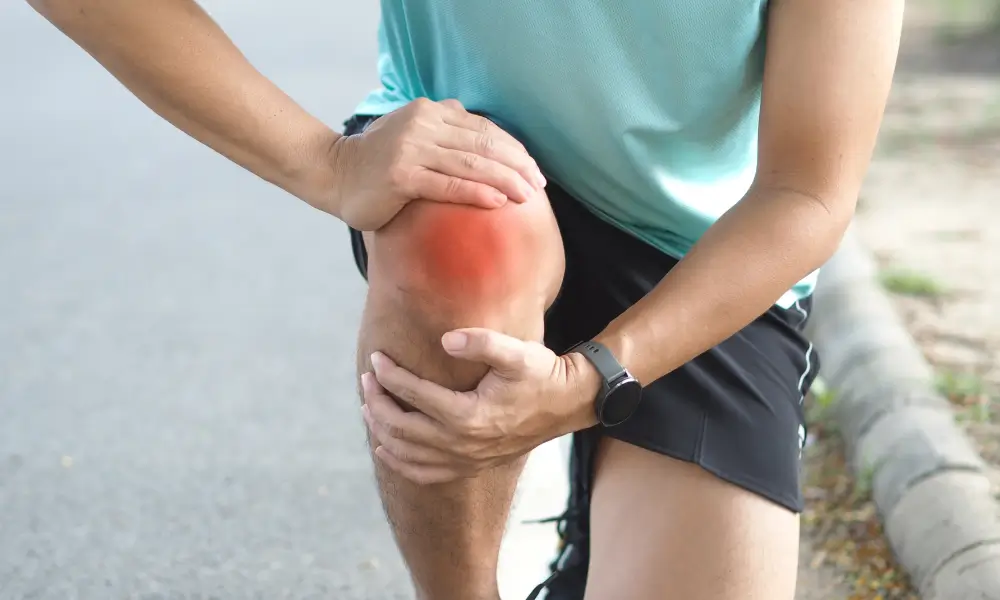
Causes of Musculoskeletal Pain
Here are some common causes of musculoskeletal pain:
Injuries (the most common cause)
Bone fractures
Ligament or muscle strains/sprains
Repetitive or overuse can cause stress injuries like tendinitis
Age-related degeneration plays a major role, especially in conditions like osteoarthritis.
The immune system sometimes attacks the body's tissues in autoimmune disorders like rheumatoid arthritis and lupus, which leads to joint inflammation.
Age, genetics, obesity, smoking, and inactive lifestyle increase the risk of these conditions. While older people face these problems more often, younger people can develop them too—often during their most productive years.
Diagnostic and Treatment
Clinical assessment: Doctors will ask about your symptoms and take a history of your injury or other medical conditions. They assess your joints, muscles and overall function before recommending specific tests.
Blood tests: These tests measure erythrocyte sedimentation rate (ESR) and C-reactive protein (CRP) indicate inflammation levels.
Imagings:
X-rays are the first-line imaging choice to assess bone abnormalities, fractures, and joint damage.
MRI scans are a great way to get detailed tissue views of muscles, ligaments, and tendons.
Ultrasound imaging identifies sprains, tears, and inflammation without radiation, making it safe and non-invasive.
Treatments
Condition severity determines the treatment approach. Treatment options are:
Conservative treatment: For mild pain or minor musculoskeletal injuries doctors recommend the RICE (rest, cold/ heat pack, compression, or elevation) technique for quick healing.
Medications: Doctors prescribe pain medicines, anti-inflammatories, disease modifying antirheumatic drugs and corticosteroid injections
Physical therapy: This therapy restores movement and function.
Biofeedback: This is helpful in chronic musculoskeletal pain.
Stabilisation: Sometimes to stabilise the injured area doctors use splints, casts or other methods.
Surgery: Severe cases might need surgical interventions, including joint replacements.
Role of Exercise and Strength Training
Strength training builds muscle mass and increases bone density. Your bones become stronger and more resilient through weight-bearing exercises. Most adults benefit from strength exercises (twice weekly) that target major muscle groups to maintain musculoskeletal health.
Nutrition for Bone and Muscle Health
Adults need 700mg of calcium every day. They can get this from milk products, leafy greens, and foods with added calcium. To help the body use calcium, people should aim for 10 micrograms of vitamin D. The sun is still the main source of vitamin D. Protein provides the building blocks for bones to grow. You should eat 0.36g of protein for each pound you weigh.
Preventing Musculoskeletal Injuries in Daily Life and Sports
Smart preventive measures are (including but not limited to):
Always do some warm up before you start any activities
Use the right gear
Keep good posture when you sit or stand
Regular breaks every 20-30 minutes during prolonged sitting or standing help prevent stiffness
Using your legs instead of your back (bend your knees not your back) for lifting weights reduces injury risk.
Rehabilitation Techniques and Recovery Timeline
Different tissues heal at different rates:
Bones need 6-12 weeks
Muscles take 2-8 weeks
Tendons require 6-12 weeks
Ligaments heal in 6 weeks to 12 months
Doctors tailor a rehabilitation program according to each person's requirements. It helps in a gradual return to function through targeted exercises & pain management.
Emerging Technologies
Game changing breakthroughs have an influence on musculoskeletal medicine making diagnosis and treatment more precise than ever before.
Doctors now use 3D bioprinting to create personalised implants for patients. These implants use biological materials that integrate with the patient's own tissues. This approach reduces rejection risk and helps patients recover faster.
New treatments using stem cells and growth factors help tendons, cartilage, and bone
heal faster, giving patients better options for wear-and-tear conditions.
AI-powered tools help diagnose problems & analyse scans with high accuracy, spotting small issues that doctors might miss.
Smart wearable devices with built in sensors keep track of how people move all the time. This provides immediate feedback during recovery and doctors can change recovery plans if needed.
Conclusion
Musculoskeletal disorders affect millions of people worldwide and substantially reduce
their quality of life and work productivity. Doctors choose different treatment approaches based on severity - from medication and physical therapy to surgery when needed. The best defence against these painful conditions is prevention. Small changes in daily habits make a big difference. Your muscles and bones become stronger with regular exercise. Good nutrition gives your body the vital nutrients it needs for musculoskeletal health.
Your musculoskeletal health needs attention before problems start. You can keep your body's support system strong and working well for years by moving mindfully, eating right, and staying aware of ergonomics. Better mobility and comfort improve not just your wellbeing but also reduce healthcare costs across communities nationwide.
FAQs
What is the musculoskeletal system?
Your body has an amazing framework of bones, muscles, joints, ligaments, tendons and cartilage that work together. This system gives your body its shape, holds up your weight, lets you move and shields your vital organs. It stores important minerals like calcium and phosphorus and makes blood cells in bone marrow. As your body's largest system, it has 206 bones in adults, over 600 muscles, and many connecting tissues.
What causes musculoskeletal pain?
Injuries - fractures, sprains, muscle tears, and overuse injuries like tendinitis
Long-term conditions - arthritis, fibromyalgia, and osteoporosis
Autoimmune disorders also cause joint inflammation
Bad posture, too much work strain, sitting too long, and infections can also cause discomfort.
How are musculoskeletal disorders diagnosed?
Doctors begin with a thorough history and physical exam. They might run blood tests to check inflammation markers like C-reactive protein or erythrocyte sedimentation rate. Different imaging tests help confirm what's wrong—X-rays show bone problems, MRI reveals soft tissue issues, and ultrasound spots inflammation. Sometimes doctors test joint fluid to find infections or gout-causing crystals.
What are the treatment options for common musculoskeletal conditions?
Your treatment depends on what's wrong and how bad it is. Rest, over-the-counter pain relievers, and ice packs often help mild pain from minor injuries. Serious cases might need:
Medications - NSAIDs, corticosteroids, or disease modifying antirheumatic drugs
Physical therapy to help you move better and reduce stiffness
Surgery like joint replacement for advanced cases
Can exercise prevent musculoskeletal problems?
Regular physical activity makes your bones and muscles stronger. Office workers who do just 10-15 minutes of adapted exercise 3-5 days a week have less low back pain. Strength training builds bone density and muscle mass while lowering your risk of osteoporosis. Stretching helps reduce muscle tension and protects you from injuries.
How does nutrition affect bone and muscle health?
To keep your musculoskeletal system strong include these nutrients in your diet:
Calcium - dairy, green vegetables, and fortified foods
Vitamin D from sunlight and supplements
Protein - low-fat dairy, whole grains, fruits and vegetables
What is the difference between acute and chronic musculoskeletal pain?
Acute pain strikes suddenly with sharp sensations but usually goes away within days or weeks. Pain that lasts beyond three months becomes chronic and often turns into a long-term health challenge. Most acute pain results from injuries, while specific conditions lead to chronic discomfort. Improper treatment of acute injuries can develop into chronic problems.
What signs indicate you need to see a doctor for musculoskeletal problems?
Consult a doctor if:
Your pain interferes with daily activities or limits movement
The pain shows no improvement after two weeks
You can't put weight on a limb
Basic activities like climbing stairs become challenging
A sudden injury causes severe pain
How does ageing affect the musculoskeletal system?
Everyone's bone density begins to decline around age 30. Women experience a faster decline after menopause. Joint cartilage becomes thinner over time and loses its smooth surface. Your body's connective tissues become stiffer, limiting movement. Muscle mass decreases gradually through sarcopenia, which affects strength. Your spine shortens as discs lose fluid, which can lead to changes in posture.
What new technologies are improving musculoskeletal treatment?
The medical field now uses wearable sensors that provide immediate feedback during recovery. Virtual reality creates new options for pain management. Mobile apps enable remote physiotherapy sessions for correct home exercises. Diagnostic accuracy improves with AI-enhanced imaging. Rehabilitation becomes more engaging through video game therapy.