1068
1068
 Request Call Back
 Contact
 1068
1068
Cinnamon Benefits: Types, Uses, Cinnamon Tea, Cinnamon Water & Medicinal Properties
Published on: Apr 08, 2026
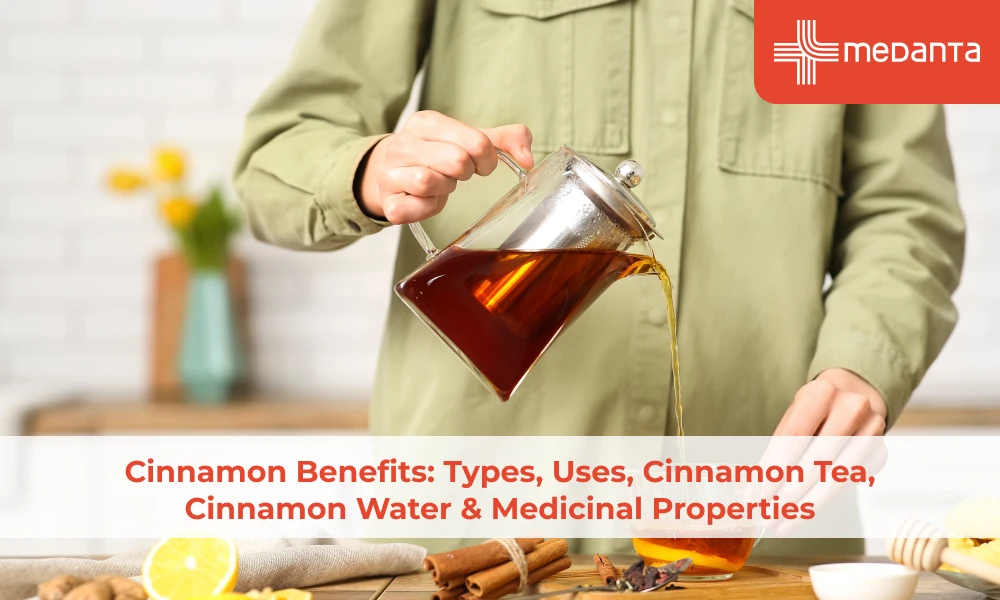
TABLE OF CONTENTS
- What Is Cinnamon?
- Types of Cinnamon
- Nutritional & Medicinal Properties of Cinnamon
- Health Benefits of Cinnamon
- Cinnamon Water Benefits
- Benefits of Cinnamon Tea
- Cinnamon Benefits for Skin
- Cinnamon for Weight Loss
- Cinnamon Benefits for Men
- Cinnamon Leaf Uses
- Cinnamon Uses in Daily Diet
- Cinnamon Side Effects
- Conclusion
- FAQs
Before pharmaceuticals, there was the spice rack. Cinnamon features in ancient Egyptian embalming records, in Chinese medical texts from 2700 BCE and throughout Ayurvedic literature as a remedy for digestion, fever and respiratory complaints. The interesting thing is that modern research has not really disproved any of that; it has largely confirmed it and added more. Blood sugar management, anti-inflammatory activity, cardiovascular support, antimicrobial action. For a spice people mostly associate with chai and dessert, the clinical profile is unusually strong.
What Is Cinnamon?
Cinnamon is the inner bark of trees belonging to the Cinnamomum genus, dried and rolled into the familiar quills. The primary active compound is cinnamaldehyde, responsible for both the smell and most of the biological activity. Procyanidins and polyphenols contribute to the antioxidant and insulin-mimicking effects. It comes as sticks, ground powder, essential oil and in supplement form, each with a slightly different concentration and bioavailability profile.
Types of Cinnamon
The distinction that actually matters: Ceylon versus Cassia. Ceylon (true cinnamon from Sri Lanka) is lighter in flavour, tan in colour and very low in coumarin. Cassia is what most Indian households and global supermarkets sell - darker, stronger, more pungent and significantly higher in coumarin, which can stress the liver at high daily doses. For cooking occasionally, either is fine. For anyone taking cinnamon daily for therapeutic reasons, Ceylon is the one to use.
Nutritional & Medicinal Properties of Cinnamon
At the doses used in cooking, cinnamon does not contribute meaningfully to macronutrient intake. Its value is in the phytochemicals. Cinnamaldehyde inhibits inflammatory enzymes. Procyanidins bind to insulin receptors and partially mimic insulin’s action which is why cinnamon has a measurable effect on blood glucose even without increasing insulin secretion. Manganese, small amounts of Vitamin K, calcium and a broad antioxidant profile round out what is present.
Health Benefits of Cinnamon
Blood sugar regulation has the most robust evidence. Cinnamon slows gastric emptying, reduces post-meal glucose spikes and improves peripheral insulin sensitivity. All of these effects show up in clinical trials involving people with Type 2 diabetes and pre-diabetes. Anti-inflammatory activity is documented across multiple pathways and consistent across study types. Modest but real reductions in LDL cholesterol and triglycerides appear with regular intake. Antimicrobial activity extends to E. coli, Salmonella and several fungal strains.
On the neurological front, early research has found that cinnamon compounds reduce tau protein aggregation(a hallmark of Alzheimer’s progression).
Cinnamon Water Benefits

Overnight cold-steeping extracts water-soluble polyphenols without the heat that degrades some of them. A stick soaked in a glass of water and drunk in the morning provides a gentler dose than powder, easier on the stomach, lower intensity, still effective for blood sugar stability and baseline anti-inflammatory activity. Useful for people who want the benefits but find cinnamon powder irritating or strong.
Benefits of Cinnamon Tea
Brewed hot, cinnamon releases more cinnamaldehyde and volatile oils than cold-steeping does. A cup before or with a meal reduces the post-meal glucose spike. The antimicrobial compounds soothe sore throats and support mucosal immunity. Ginger added to the brew amplifies the anti-inflammatory effect; honey adds antimicrobial activity. One to two cups a day is practical for most people and covers the main therapeutic bases without overshooting safe coumarin levels if Ceylon is used.
Cinnamon Benefits for Skin
Two routes here: internal and topical. Taken internally, cinnamon’s anti-inflammatory effect reduces the systemic inflammation that drives acne, rosacea and certain forms of eczema. Topically, mixed with honey, its antimicrobial activity reduces bacterial load on acne-prone skin. The antioxidant compounds slow collagen degradation with repeated UV exposure.
One caution: the essential oil is concentrated and will irritate sensitive skin if applied neat. Dilute or patch-test before use.
Cinnamon for Weight Loss
Not a fat burner. What cinnamon does is reduce the post-meal blood sugar spike that drives subsequent cravings particularly for sugar and refined carbohydrates. It slows gastric emptying, which extends satiety. These are genuine effects and genuinely useful for weight management, but they work within a caloric deficit.
Cinnamon Benefits for Men
Several studies have pointed to cinnamon’s effect on testosterone levels and sperm quality. The antioxidant activity protects sperm cells from oxidative damage, a factor that is meaningful for male fertility. Post-exercise, the anti-inflammatory effect supports faster recovery and reduced muscle soreness. Cardiovascular benefits like blood pressure and lipid management are particularly relevant for men, who carry a higher baseline cardiovascular risk, especially after 40.
Cinnamon Leaf Uses
The leaf oil is eugenol-dominant rather than cinnamaldehyde-dominant, making it clove-like in character rather than the sweet warmth of the bark. Used in aromatherapy, dental antiseptic preparations and South Asian cooking as a whole spice added to rice or biryanis. The leaf itself imparts flavour without the intensity of bark powder and can be used as a bay leaf substitute in slow-cooked dishes.
Cinnamon Uses in Daily Diet
Into oats, porridge, smoothies, coffee, chai or yoghurt. Added to marinades, curries or baked goods. A stick dropped into soups or dals during cooking. A quarter to half a teaspoon of Ceylon powder daily is safe for ongoing use. No complicated preparation needed. Cinnamon fits into existing eating habits without adding steps.
Cinnamon Side Effects
Coumarin overload: High Cassia intake over weeks or months can cause liver enzyme elevation. Switch to Ceylon for daily use.
Hypoglycaemia: Real glucose-lowering effects mean real risk of overcorrection in people on insulin or oral diabetes drugs.
Drug interactions: Anticoagulants and antihypertensives may be potentiated. Therapeutic use alongside these medications needs medical oversight.
Skin irritation: The essential oil, when applied neat to the skin, causes burns in sensitive individuals. Always dilute.
Conclusion
The evidence for cinnamon is broader and better supported than most people realise. Getting it right comes down to choosing Ceylon over Cassia for daily use, keeping amounts reasonable and being aware of interactions if you are on relevant medications. Used consistently and sensibly it earns its place in a health-conscious daily routine.
At Medanta our nutrition and internal medicine teams can help integrate evidence based dietary practices (including therapeutic spice use) into a plan suited to your individual health profile.
FAQs
What are the major health benefits of cinnamon?
Blood sugar regulation, anti-inflammatory and antimicrobial activity, LDL and triglyceride reduction, immune support and emerging neurological benefits. Consistent daily use at moderate doses is where results show up.
What is the difference between Ceylon cinnamon and regular cinnamon?
Ceylon is lower in coumarin, milder in flavour and the right choice for daily therapeutic use. Cassia the common supermarket variety, is cheaper and stronger but carries liver risk at high chronic doses.
Is cinnamon tea good for immunity?
Yes, the antimicrobial and anti-inflammatory compounds in brewed cinnamon support mucosal immunity and reduce infection duration. Most useful when taken consistently, not just when symptoms appear.
Does cinnamon help with weight loss?
Indirectly. It curbs post-meal cravings by flattening the glucose spike and extends satiety by slowing gastric emptying. Useful within a caloric deficit, not in place of one.
What are the benefits of drinking cinnamon water?
Gentler than powder, easier on the stomach, still effective for blood sugar stability and antioxidant intake. Cold-steeping overnight extracts polyphenols without degrading them with heat.
Is cinnamon good for skin health?
Internally, it reduces the inflammation behind acne and eczema. Topically with honey, it lowers bacterial load on acne-prone skin. Dilute the essential oil before any direct skin application.
How much cinnamon should you consume per day?
A quarter to half a teaspoon of Ceylon powder daily for most healthy adults. Cassia should stay occasional its coumarin content makes it unsuitable for daily therapeutic dosing.
Are there any side effects of cinnamon?
Common side effects are:
Hypoglycaemia risk with diabetes medication
Interaction with anticoagulants
Contact irritation from the undiluted essential oil.
Is cinnamon good for men's health?
Supports testosterone levels, protects sperm quality through antioxidant activity and manages cardiovascular risk factors that are particularly relevant in men over 40. Post-exercise recovery also benefits.
Can cinnamon help control blood sugar levels?
Yes cinnamon improves insulin sensitivity, slows glucose absorption, and reduces post-meal spikes. Anyone on diabetes medication should monitor readings when starting regular cinnamon intake.