1068
1068
 Request Call Back
 Contact
 1068
1068
Cholestasis of Pregnancy
Published on: Dec 29, 2025
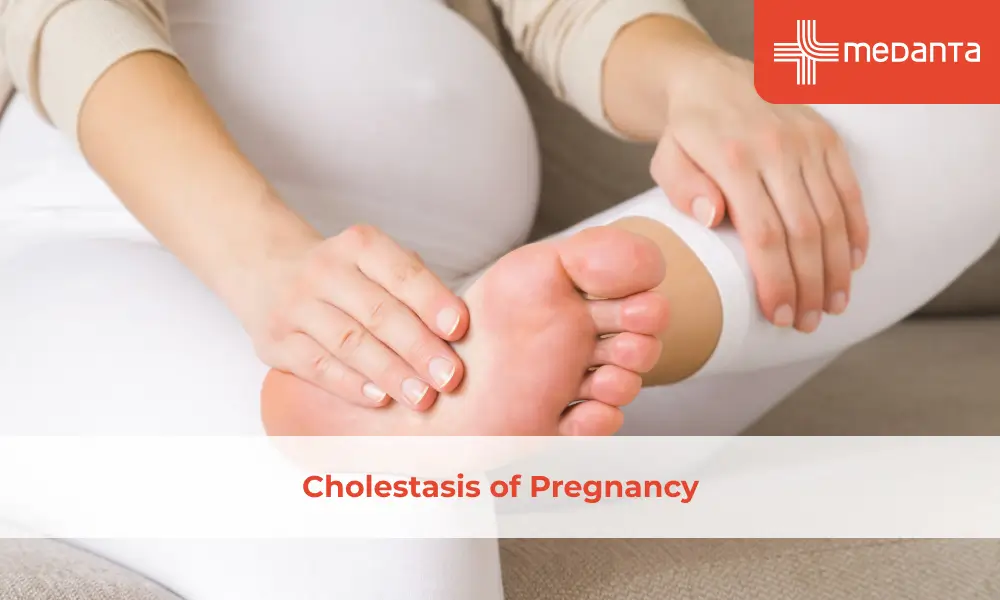
TABLE OF CONTENTS
- What Is Cholestasis of Pregnancy?
- Causes and Risk Factors
- Signs and Symptoms of Cholestasis of Pregnancy
- Complications of Cholestasis for Mother and Baby
- Diagnosis
- Treatment Options for Cholestasis of Pregnancy
- Managing Itching and Discomfort During Pregnancy
- Living With Cholestasis During Pregnancy
- Prevention and Early Detection
- When to See a Doctor
- Conclusion
- FAQs
Have you ever felt an intense itch during pregnancy, especially on your hands and feet, that just would not go away? While many assume it is a normal pregnancy symptom, it can sometimes indicate a serious condition called cholestasis of pregnancy.
Cholestasis of pregnancy affects about 0.2% to 2% of pregnancies worldwide and is the most common liver disorder during pregnancy. Certain regions, especially South America and Northern Europe, report higher rates of intrahepatic cholestasis of pregnancy (ICP).
This article explains what cholestasis of pregnancy is, its symptoms, causes, diagnosis, treatment options, and possible complications.
What Is Cholestasis of Pregnancy?
Cholestasis of pregnancy, also known as intrahepatic cholestasis of pregnancy (ICP) or obstetric cholestasis, occurs when bile flow from the liver slows down or becomes blocked.
The liver produces bile, a digestive fluid that normally flows into the intestines. In cholestasis, bile cannot flow properly and builds up in the liver, leaking into the bloodstream. This leads to high bile acid levels, which cause symptoms and increase health risks for the baby.
Causes and Risk Factors
The exact cause of cholestasis of pregnancy is not fully known, but several factors are involved:
Hormonal Factors: High levels of estrogen and progesterone during pregnancy can slow bile flow.
Genetic Factors: Certain genes affect how bile is transported in the liver, increasing risk.
Environmental Factors: Seasonal changes and geographic location may influence occurrence.
Higher Risk If You Have:
A family history of cholestasis
Cholestasis in a previous pregnancy
Twin or multiple pregnancies
Age over 35 years
Existing liver disease
Pregnancy during winter months
Signs and Symptoms of Cholestasis of Pregnancy
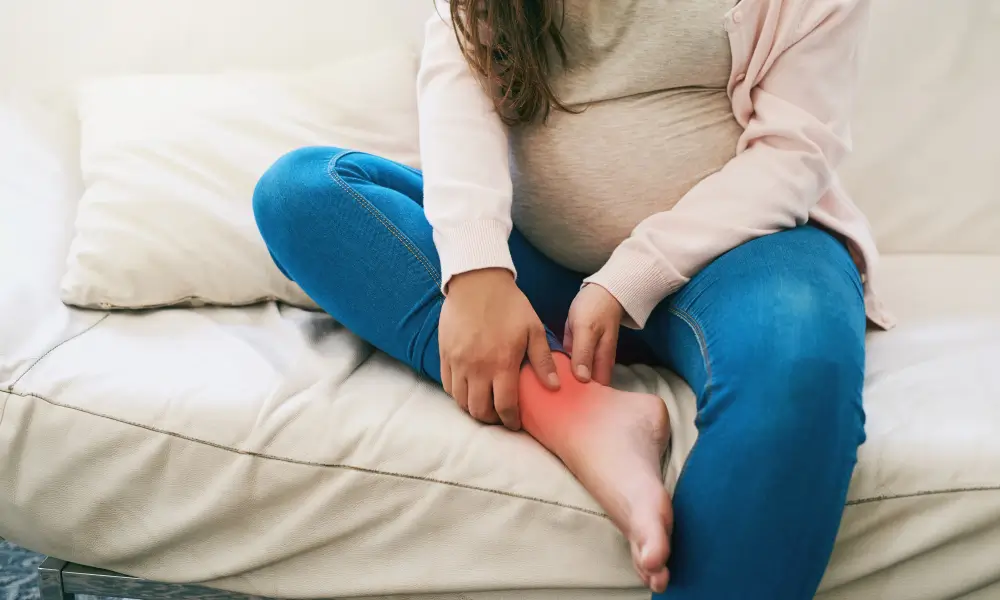
The most common symptom is severe itching without a rash, usually affecting the palms of the hands and soles of the feet, often worsening at night.
Other symptoms may include:
Dark-colored urine
Pale or clay-colored stools
Yellowing of skin or eyes (jaundice)
Fatigue
Poor appetite
Pain in the upper right side of the abdomen
Complications of Cholestasis for Mother and Baby
For the Mother
Complications are usually mild and may include difficulty absorbing vitamin K, which can increase bleeding risk.
For the Baby
Risks are more serious and include:
Meconium aspiration
Fetal distress
Stillbirth
The risk increases significantly when bile acid levels exceed 100 micromol/L.
Diagnosis
After ruling out other causes, doctors usually order the following tests:
Blood Tests
Liver function tests (LFTs)
Serum bile acid levels
A bile acid level above 10 micromol/L confirms the diagnosis. Fasting is not required for bile acid testing.
Studies show that liver enzymes are elevated in about 60% of cases, with ALT being the most helpful marker.
Treatment Options for Cholestasis of Pregnancy
The primary treatment is Ursodeoxycholic Acid (UDCA) at a dose of 10–21 mg/kg per day. This medication helps lower bile acid levels, improve liver function, and reduce itching.
Doctors may also prescribe vitamin K supplements if there is a risk of bleeding.
Managing Itching and Discomfort During Pregnancy
To reduce itching, doctors may recommend:
Cool baths or ice packs on itchy areas
Aqueous creams with menthol
Antihistamines such as chlorphenamine to help with sleep
Living With Cholestasis During Pregnancy
Women with cholestasis require:
Weekly bile acid testing
Regular liver function tests
Close monitoring of the baby, especially after 32 weeks of pregnancy
Prevention and Early Detection
There is no proven way to prevent cholestasis of pregnancy. To reduce the risk of stillbirth, doctors usually plan delivery between 36 and 39 weeks, depending on bile acid levels.
Women with bile acid levels above 100 micromol/L are often advised to deliver at 36 weeks due to increased risk.
When to See a Doctor
Contact your doctor immediately if you experience persistent itching, especially on your palms and soles.
Seek urgent medical care if you notice:
Severe itching affecting sleep or daily life
Yellowing of skin or eyes
Sudden abdominal pain or swelling
Reduced fetal movements
Dark urine or pale stools
Loss of appetite or nausea
Prepare for your appointment by noting all symptoms and listing medications, vitamins, and supplements you are taking.
Conclusion
Cholestasis of pregnancy is a serious liver condition that affects a small number of pregnant women but carries significant risks for the baby. Persistent itching without a rash, especially on the hands and feet, is the most important warning sign.
Although cholestasis cannot be prevented, early diagnosis, proper treatment, and close monitoring can greatly reduce complications. Always trust your instincts and consult your healthcare provider if something feels wrong during pregnancy.
FAQs
What is cholestasis of pregnancy?
Intrahepatic cholestasis of pregnancy is a liver disorder where bile flow slows or stops, causing bile acids to build up in the bloodstream.
What causes itching in pregnancy due to cholestasis?
Itching occurs when bile acids accumulate in the skin. Hormonal changes and genetic factors affect bile flow and liver function.
At what stage of pregnancy does cholestasis usually occur?
It usually develops in the late second or early third trimester, often after 30 weeks.
Can cholestasis harm my baby?
Yes. It can lead to fetal distress, preterm birth, meconium aspiration, and stillbirth.
How is cholestasis of pregnancy diagnosed?
Diagnosis is confirmed through blood tests measuring bile acid levels above 10 micromol/L, along with liver function tests.
What treatments are available?
The main treatment is Ursodeoxycholic Acid (UDCA). Vitamin K may also be prescribed if needed.
Are there home remedies to relieve itching?
While nothing fully stops the itching, relief may come from cool baths, loose clothing, menthol creams, cool rooms, pine tar soap, and staying hydrated.
Is cholestasis dangerous for the mother?
It usually resolves after delivery and rarely causes long-term liver damage, though vitamin K deficiency and gallstones can occur.
Can cholestasis recur in future pregnancies?
Yes. It recurs in about 60–70% of future pregnancies.
How can cholestasis be detected early?
There is no prevention, but women with prior cholestasis should have early liver tests, watch for itching, and get follow-up liver tests after delivery.