1068
1068
 Request Call Back
 Contact
 1068
1068
7 Most Common Symptoms of Gastritis
Published on: Mar 12, 2022
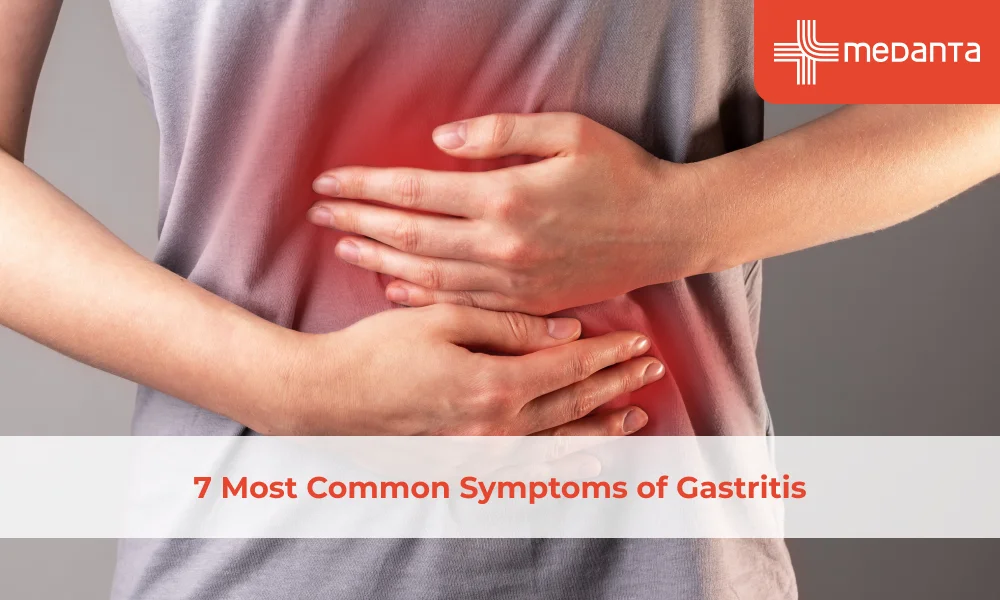
TABLE OF CONTENTS
The human stomach has a protective lining of mucus called mucosa to protect it from the acids responsible for digesting food. Any inflammation or erosion in the stomach lining exposes the stomach to the acids, causing the condition called gastritis. While infection caused by Helicobacter pylori (H.pylori) bacteria is the most common Symptom for gastritis, there are many other factors that cause gastritis. It includes alcohol consumption, indigestion, ingestion of chemicals, autoimmune disorders, etc.
Acute gastritis involves sudden but severe inflammation that may last for a day or two, while chronic gastritis causes loss of appetite due to long-term inflammation and can lead to other conditions too, if left untreated.
Prior to discussing the gastrointestinal treatments for reducing inflammation of the stomach lining, let us look at the major signs of gastritis that must not be neglected.
7 Signs and Symptoms of Gastritis
Some people with gastritis may not have any symptoms. In other acute or chronic cases, the patient may experience some of the following symptoms:
The most common symptom that a person with gastritis may experience is pain or discomfort in the upper abdomen. The pain can be aching, burning, or gnawing depending on the severity of the condition and other factors.
Nausea or vomiting
When gastritis leads to stomach lining tears or ulcers, the patient may feel nauseous or experience vomiting. The vomiting may be clear, yellow, or green in mild cases. Blood-streaked or completely bloody vomit may be experienced in acute erosive gastritis cases, usually several days after the onset of the condition.
Loss of appetite
In severe or acute gastritis, the patient may experience a sudden loss of appetite generally triggered due to the feeling of nausea or vomiting sensation right after eating the meal, thus disturbing the entire food processing cycle.
Frequent upset stomach or diarrhoea
The sensation of uneasiness or discomfort and chronic diarrhoea are amongst the first and major signs of gastritis. Black or tarry bowel movements are usually caused by erosive gastritis.
Belching
Belching, also called burping, is a natural process. However, too much burping may be a sign of gastritis, and in most cases of gastritis, burping is accompanied by other symptoms like heartburn and foul-smelling flatulence.
Feeling of fullness
Eating less than usual and feeling full too soon caused by appetite loss or nausea may be another symptom of inflammation in the stomach lining.
Bloating
A common symptom of gastritis is to watch out for maybe swelling or prolonged bloating in the abdominal region accompanied by stomach pain or discomfort in the upper abdomen.
In case, the stomach lining is exposed to the stomach acid due to erosion (erosive gastritis), it may result in stomach ulcers or bleeding. In such cases of severe or acute gastritis, the following symptoms may be experienced by the patient:
Shortness of breath, tiredness, racing heartbeat and paleness caused by anaemia.
Severe chest pain
Vomiting blood or coffee-grounds like materials
Bloody and/or foul-smelling bowel movements
How is gastritis diagnosed?
The main problem with delayed diagnosis of gastritis is that, in the initial stages, the symptoms seem trivial and many patients neglect them. However, any person experiencing more than one of the aforementioned symptoms must consult a gastro physician and undergo a proper diagnosis for effective treatment.
The doctor may use one or more of the following tests to diagnose the condition and establish its severity:
An assessment of medical history that would typically include the doctor asking questions about eating, smoking, and drinking habits and the use of medication like antacids, antibiotics, aspirin, ibuprofen, etc. An expert doctor also examines the possibility of any other underlying conditions like celiac disease, Crohn’s disease, or any other auto-immune disorder.
A breath test to identify infection caused by Helicobacter pylori (H. pylori) in this, the patient is given a glass of clear, tasteless liquid containing radioactive carbon to drink and is requested to blow into a bag to measure the isotopic carbon in the exhaled carbon dioxide.
If the person experiences bloody stools, a stool test may be recommended by the doctor to check for H. pylori infection and bleeding from the stomach.
An endoscopy may also be done to check for signs of inflammation in the stomach.
Treating Gastritis
Gastritis is a curable condition and its line of treatment may vary for each patient depending on the cause and the type of condition, i.e., whether it is acute or chronic gastritis. Usually, the treatment may be a mix of medications that includes antibiotics to treat bacterial infections, antacids and H2 blockers to neutralise acid formation, anti-nausea medication, and coating agents to protect the stomach lining.
Along with medication, the doctors also recommend strict dietary changes, quitting alcohol consumption and smoking, and managing stress.
Medanta Institute of Digestive and Hepatobiliary Sciences
With a highly experienced team of gastro physicians in India, the super-specialized institute at Medanta provides superior-quality diagnostic and treatment services for gastritis. If you have gastritis or any other digestive system problems, consult one of the best gastroenterologists in India only at Medanta.
Conclusion
Gastritis is a common yet often overlooked digestive condition that can significantly affect daily life if not addressed in time. While the symptoms may appear mild initially, ignoring them can lead to complications such as ulcers, bleeding, or chronic discomfort. The good news is that with early diagnosis, appropriate treatment, and mindful lifestyle changes, gastritis can be effectively managed and even prevented. Paying attention to your body’s signals and seeking timely medical care ensures better digestive health and overall well-being.
FAQs
What exactly are gastric symptoms?
Gastric symptoms refer to discomfort or problems related to the stomach and digestive system, such as gas, bloating, acidity, stomach pain, and indigestion.How do I know if I have gastric symptoms?
You may notice signs like frequent bloating, burping, burning sensation in the chest, stomach discomfort, or feeling full जल्दी after eating.What are the early warning signs of gastric symptoms?
Early signs include bloating, mild stomach pain, acidity, nausea, excessive gas, and loss of appetite.What usually causes gastric symptoms?
Common causes include overeating, spicy or oily foods, stress, irregular eating habits, infections, and conditions like Gastritis or Gastroesophageal reflux disease.Are gastric symptoms serious or life-threatening?
Most gastric symptoms are mild and manageable, but persistent or severe symptoms may indicate underlying conditions that need medical attention.What tests are done to diagnose gastric symptoms?
Doctors may suggest blood tests, stool tests, ultrasound, or an endoscopy to examine the stomach lining.What are the best treatment options for gastric symptoms?
Treatment includes dietary changes, avoiding trigger foods, medications like antacids or acid reducers, stress management, and proper eating habits.Can gastric symptoms be cured completely?
Yes, in many cases they can be controlled or resolved with proper treatment and lifestyle changes, depending on the cause.What complications can happen if gastric symptoms are untreated?
Untreated symptoms can lead to ulcers, chronic acidity, digestive issues, or worsening of underlying conditions.When should I consult a doctor for gastric symptoms?
You should see a doctor if symptoms are persistent, severe, associated with vomiting, weight loss, difficulty swallowing, or blood in stools.