1068
1068
 Request Call Back
 Contact
 1068
1068
Cardiotoxicity in Cancer Treatment: How Cancer Drugs Affect Your Heart
Published on: Dec 23, 2025

TABLE OF CONTENTS
- How Cancer Treatments Affect the Heart
- Chemotherapy and Cardiotoxicity: Common Drugs Involved
- Radiation-Induced Heart Damage
- Symptoms and Early Warning Signs of Cardiotoxicity
- Risk Factors for Developing Cardiotoxicity During Cancer Care
- Diagnostic Tests for Detecting Cardiotoxicity
- Strategies to Prevent or Minimise Heart Damage During Treatment
- Managing Cardiac Side Effects Without Interrupting Cancer Therapy
- Importance of Collaboration Between Oncologists and Cardiologists (Onco-Cardiology)
- FAQs
Cancer therapies save lives and have dramatically improved survival rates, yet they pose potential risks to heart health. Research shows that heart problems develop in some cancer patients after treatment. Cardiotoxicity emerges as a serious side effect of cancer treatment that damages the heart, with effects sometimes surfacing years after therapy ends. Heart disease and cancer remain the two leading causes of death worldwide. This creates a critical situation where treating one condition might increase the risk for the other.
Scientists and doctors now better understand how chemotherapy drugs affect heart function. This knowledge has sparked the development of cardio-oncology as a specialised field.
This article explores various types of cardiotoxicity linked to cancer treatments, key warning signs, diagnostic methods, and ways to protect heart health during cancer therapy.
How Cancer Treatments Affect the Heart
Certain cancer treatments can harm the heart both immediately and over time. Anthracycline medicines cause permanent cell death that cannot be reversed (type I cardiotoxicity). HER2 inhibitors cause temporary damage (type II cardiotoxicity) that may improve once treatment ends.
Cancer therapies can damage everything in the heart, including:
Heart muscle (myocardium) weakens pumping function
Heart valves that become narrow or leak
Electrical system that creates abnormal rhythms
Pericardium (outer lining) that becomes inflamed or retains fluid
Coronary arteries that reduce blood flow
Problems range from minor changes seen only in tests to serious conditions like heart failure. These issues might surface within weeks or emerge decades after treatment.
Chemotherapy and Cardiotoxicity: Common Drugs Involved
Drug Class | Examples | Common Cardiac Effects |
Anthracyclines | Doxorubicin, Daunorubicin, Epirubicin | Heart failure, arrhythmias |
HER2 Inhibitors | Trastuzumab, Pertuzumab | Heart failure |
Tyrosine Kinase Inhibitors | Sunitinib, Sorafenib | Hypertension, heart failure |
Antimetabolites | 5-Fluorouracil, Capecitabine | Coronary vasospasm, chest pain |
Checkpoint Inhibitors | Nivolumab, Pembrolizumab | Myopericarditis, atrial fibrillation, ventricular arrhythmias |
Radiation-Induced Heart Damage
Chest radiation therapy can harm any heart area. The heart becomes inflamed at first, then develops fibrosis and calcification. Patients may develop coronary artery disease, valve problems, and pericarditis 10-30 years after treatment.
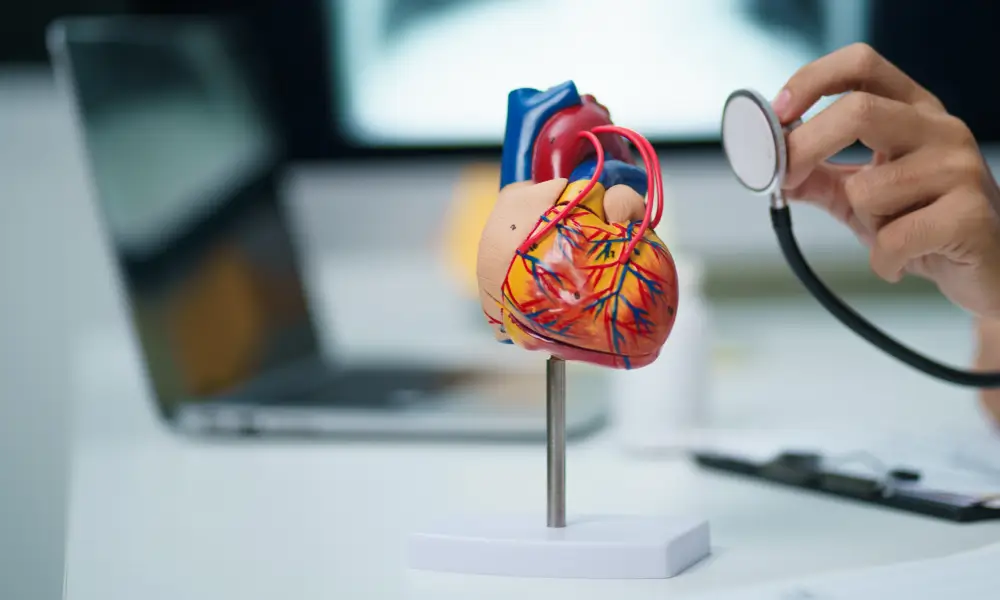
Symptoms and Early Warning Signs of Cardiotoxicity
The following are common signs and symptoms of cardiotoxicity that you should keep an eye:
Shortness of breath during activity
Chest pain or pressure
Unusual fatigue or weakness
Heart palpitations or irregular heartbeat
Swollen ankles, legs or abdomen
Dizziness or lightheadedness
Risk Factors for Developing Cardiotoxicity During Cancer Care
These factors increase your risk of heart problems:
Heart disease or cardiovascular issues
Age over 65
High doses of heart-toxic medications
Multiple heart-toxic treatments used together
Diabetes, hypertension, obesity, and smoking
Previous chest radiation exposure
Diagnostic Tests for Detecting Cardiotoxicity
Doctors use several tools to monitor heart health during cancer treatment:
Echocardiography: The most common and available test that uses ultrasound to assess heart function
Cardiac MRI: Provides detailed heart images and serves as the gold standard for detecting cardiotoxicity
Blood biomarkers: Cardiac troponins and natriuretic peptides can signal heart damage before symptoms develop, and elevated troponin levels link to 12 times higher odds of heart dysfunction
Strain imaging: Detects early heart muscle changes before ejection fraction drops, making it more sensitive than standard testing
Electrocardiogram (ECG): Helps identify rhythm abnormalities and electrical changes
Strategies to Prevent or Minimise Heart Damage During Treatment
Medical teams start prevention before cancer treatment begins. They assess cardiovascular risk using specialised tools like the Cardio-Oncology Risk Score (CORS), which looks at cancer-related factors alongside traditional heart risk factors.
Prevention strategies may include:
Dexrazoxane stands as the only FDA-approved cardioprotective agent for anthracycline-induced cardiotoxicity. It changes topoisomerase IIb to prevent doxorubicin binding. Medicines like beta-blockers and ACE inhibitors have shown promise in preventing heart damage.
Regular exercise combined with a heart-healthy diet plays a vital role in protecting cardiac function during treatment.
Managing Cardiac Side Effects Without Interrupting Cancer Therapy
Medical teams aim to manage heart problems without stopping lifesaving cancer treatment if cardiotoxicity develops. Treatment decisions emerge through cooperative work between oncologists and cardiologists.
Heart medications including ACE inhibitors, beta-blockers, and diuretics can manage symptoms effectively. Patients with cancer treatment-related cardiac dysfunction show encouraging results - 82% recovered normal heart function with these medicines.
Timing makes a difference in intervention success. Patients who started heart medications within six months of detecting cardiac injury recovered better than those who waited longer.
Importance of Collaboration Between Oncologists and Cardiologists (Onco-Cardiology)
Modern cancer care needs a team approach, and the emergence of onco-cardiology proves this point. Medical teams now know that cancer treatment without thinking about heart health creates unnecessary risks.
Better outcomes emerge when oncologists and cardiologists work together, especially for patients who face cardiotoxicity challenges. Their partnership will give patients protection from heart problems that might otherwise force doctors to stop cancer treatments. The team can adjust therapies or add protective drugs when needed.
The teams combine their expertise through:
Joint clinics where both specialists see patients together
Shared treatment planning before starting cardiotoxic drugs
Monitoring throughout therapy
Joined follow up care after treatment ends
Studies show this all-encompassing approach cuts cardiac complications by up to 50% compared to separate care models. Patients spend less time in hospitals and their cancer treatments continue with fewer disruptions.
This teamwork becomes vital if you have high risks - being over 65, living with heart conditions, or receiving multiple treatments that might affect your heart. Having both specialists involved from day one often makes a significant difference.
FAQs
What is cardiotoxicity?
Cancer treatment can damage your heart - doctors call this cardiotoxicity. The damage affects your heart muscle, pericardium, valves, and blood vessels. This condition can become severe and turn into cardiomyopathy. Your heart then struggles to pump blood through your body.
How does cancer treatment cause heart damage?
Cancer treatments can harm your heart in several ways. Heart cells die directly from chemotherapy drugs. These drugs increase oxidative stress, affect calcium processing, and harm DNA. Your heart cells need specific proteins to grow and repair themselves. Targeted therapies block these proteins. Chest radiation first causes inflammation. The inflammation then turns into heart tissue scarring.
Which chemotherapy drugs are most associated with cardiotoxicity?
Medicines include:
Anthracyclines like doxorubicin
5-Fluorouracil
Newer immunotherapies, such as checkpoint inhibitors, cause myocarditis in roughly 1% of patients.
What are the symptoms of cardiotoxicity?
Watch out for these warning signs:
Shortness of breath
Chest pain
Fatigue
Heart palpitations
Swelling in the legs or abdomen
Dizziness
Can cardiotoxicity be reversed?
Recovery depends on your treatment type. Heart problems from trastuzumab usually get better after stopping treatment. About 88% of patients can restart therapy without issues. However, anthracycline damage usually lasts forever. Your chances of recovery improve by a lot with early detection and quick treatment.
How is cardiotoxicity diagnosed?
Doctors use several tools:
Echocardiography (most common)
Cardiac MRI (gold standard)
Blood tests for troponin and BNP
Electrocardiograms
Global longitudinal strain imaging
Monitoring starts before treatment and continues throughout therapy and after it ends.
What steps can be taken to protect the heart during cancer treatment?
These strategies help protect your heart during therapy:
Beta-blockers cut down cardiotoxicity risk by a lot
ACE inhibitors and angiotensin receptor blockers shield the heart from damage
Dexrazoxane stands as the only FDA-approved cardioprotective agent for anthracycline therapy
Your heart needs regular checkups before, during, and after treatment
You should keep your blood pressure and other cardiac risk factors under control
Are some patients at higher risk of cardiotoxicity than others?
These factors can double your risk of heart complications:
Smoking, diabetes, high blood pressure and obesity
Previous heart procedures or interventions
Problems with cholesterol and kidney function
Higher doses or combinations of drugs that affect the heart
Using anthracycline before trastuzumab makes the risk four times higher
Can cancer treatment continue if cardiotoxicity occurs?
Cancer therapy can often continue with some changes, even if heart problems develop:
Treatment can go on after stopping medications that cause problems
Different drug combinations can replace ones that harm the heart
Mild heart issues might not stop treatment but need careful watching
Heart medications can be added while cancer treatment continues
How do cardiologists and oncologists work together to manage cardiotoxicity?
Good teamwork leads to better care:
Doctors from both fields talk regularly to balance your treatment
Heart specialists need to know your cancer treatment plan
Cancer doctors should know about your heart risks
Teams of specialists work to reduce side effects while fighting cancer
Getting heart specialists involved early helps you stick to treatment and live longer