1068
1068
 Request Call Back
 Contact
 1068
1068
Carbon Monoxide Poisoning: Health Risks, Symptoms and Prevention Tips
Published on: Mar 03, 2026
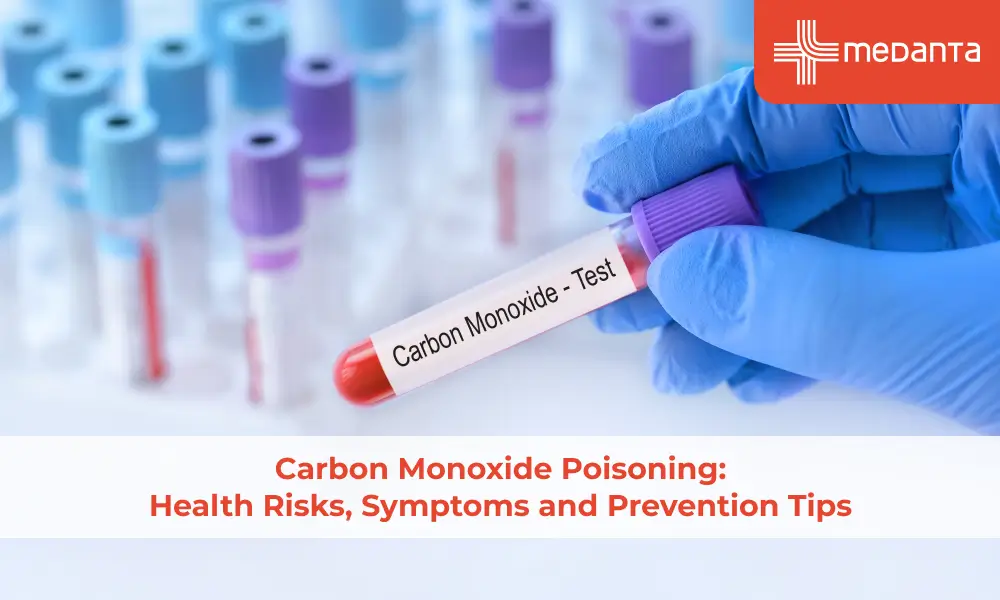
TABLE OF CONTENTS
- How Carbon Monoxide Is Produced
- Common Sources of Carbon Monoxide Exposure
- Symptoms of Carbon Monoxide Poisoning
- Risk Factors and Vulnerable Populations
- Short-Term and Long-Term Health Effects
- Diagnosing Carbon Monoxide Poisoning
- Treatment and Emergency Response
- Prevention Tips and Safety Measures
- Conclusion
- FAQs
Carbon monoxide poisoning claims thousands of people worldwide every year. The danger often goes unnoticed until it becomes life-threatening. People who breathe in this colourless, odourless gas suffer because their bodies can't use oxygen effectively. The symptoms include headaches, dizziness, confusion, and nausea. Winter months see the highest number of cases, mainly from household sources like unvented space heaters. A person's exposure level and duration determine the impact, which ranges from mild discomfort to permanent organ damage.
This article explains what carbon monoxide poisoning is, its warning signs, risk factors, and significant prevention strategies that could save your life.
How Carbon Monoxide Is Produced
Carbon monoxide poses a unique danger because you can't see or smell it.
Partial combustion of carbon-containing fuels produces carbon monoxide. The gas forms when fuel doesn't get enough oxygen to burn completely. You'll find this happening in:
Malfunctioning heating systems
Blocked chimneys or flues
Improperly ventilated appliances
Poorly maintained engines
The chemical process kicks in when carbon-based materials don't oxidise fully, which releases this harmful gas instead of harmless carbon dioxide.
Common Sources of Carbon Monoxide Exposure
Your everyday household items cause most CO exposures. Indoor CO levels can climb way higher than outdoor levels. The main sources include:
Fuel-burning appliances (gas stoves, furnaces, water heaters)
Vehicle exhaust in enclosed garages
Space heaters, especially unvented models
Fireplaces and wood-burning stoves
Portable generators
Residential settings account for over 76% of carbon monoxide exposures.
Symptoms of Carbon Monoxide Poisoning

Your exposure level and duration determine CO poisoning symptoms. The gas latches onto haemoglobin 200-250 times better than oxygen and slowly starves your body of oxygen.
Early warning signs are:
Higher exposure leads to worse symptoms:
Confusion
Shortness of breath
Rapid heartbeat
The most severe cases can trigger unconsciousness, seizures, and death.
Risk Factors and Vulnerable Populations
CO exposure threatens everyone, but some groups face higher risks:
Developing foetuses
Infants and young children
Adults over age 65
People with heart disease, anaemia or respiratory issues
Individuals living at high altitudes
Your risk increases during winter because of heating systems and less ventilation.
Short-Term and Long-Term Health Effects
The effects range from mild headaches to cardiac arrest.
Severe exposure can lead to lasting effects like:
Memory problems and cognitive decline
Movement disorders that look like Parkinson's disease
Speech difficulties
Depression and personality changes
These brain-related issues affect up to 50% of patients with toxic CO exposure and might show up weeks after the original poisoning.
Diagnosing Carbon Monoxide Poisoning
Blood testing helps doctors diagnose carbon monoxide poisoning. A small blood sample shows carboxyhemoglobin levels (compound formed when CO binds to haemoglobin). The normal ranges differ between people. Nonsmokers should have levels below 2%, while smokers usually show 4-5%. Levels higher than these measures point to possible poisoning.
Regular pulse oximeters can't separate normal haemoglobin from carboxyhaemoglobin and often show false normal readings. Doctors also look at exposure history because blood CO levels drop faster after leaving the contaminated area, which can lead to misleading results.
Treatment and Emergency Response
Here are the essential steps for carbon monoxide first aid:
Move the person to the fresh air right away
Call emergency services
Help them breathe normally while waiting for help
Start CPR if they're unresponsive and not breathing properly
Oxygen therapy is the main medical treatment. Doctors give 100% oxygen through a mask to speed up CO removal from the bloodstream. This lowers the carboxyhemoglobin's half-life from about 5 hours (in room air) to 74 minutes.
Doctors might recommend hyperbaric oxygen therapy for severe cases—including unconsciousness, neurological symptoms or carboxyhemoglobin levels above 25%. This treatment uses pressurised chambers to deliver oxygen at higher pressures (reducing elimination time to about 20 minutes).
Prevention Tips and Safety Measures
Carbon monoxide detectors play a crucial role in keeping your home safe. Install alarms near all bedrooms and on every level of your house. You should test them monthly and put in new batteries yearly.
A doctor should inspect all your fuel-burning appliances once a year, including furnaces, water heaters, and fireplaces. Never run cars in attached garages or use portable generators inside—even with open doors.
Keep all vents clear so air can flow properly. After winter storms, make sure snow hasn't blocked your heating system outlets. Never use gas stoves or grills to heat indoor spaces.
Conclusion
Carbon monoxide is a silent killer that takes hundreds of lives every year. This deadly gas gives no warning - you can't see, smell, or taste it. In spite of that, knowing about this danger could save your life and your family's lives.
Quick symptom recognition can make a huge difference. Headaches, dizziness, and confusion might look like regular health issues. These warning signs need extra attention, especially during the winter months. Children, elderly people, and those with health conditions face higher risks.
Quick action is vital if you suspect exposure. Fresh air and emergency medical help can improve your chances significantly. Short-term effects can be severe. Many survivors deal with memory problems and personality changes, which shows why prevention is so important.
Here's some good news - you can prevent this threat completely. Basic safety steps will keep your family safe from this hidden danger. Knowing the risks of carbon monoxide will allow you to make your home safer so everyone
can breathe without worry.
FAQs
What is carbon monoxide poisoning?
Breathing harmful levels of carbon monoxide gas leads to carbon monoxide poisoning. This deadly condition happens when CO enters your lungs and blocks oxygen from reaching your bloodstream.
How does carbon monoxide affect the body?
Carbon monoxide enters your body and latches onto haemoglobin in red blood cells, creating carboxyhemoglobin. The chemical bond it creates is incredibly strong. CO binds to haemoglobin 200-250 times better than oxygen. Your body slowly suffocates as vital organs run out of oxygen.
What are the early signs of carbon monoxide exposure?
The early warning signs include:
Mild headache (usually dull and in the front)
Dizziness and weakness
Nausea or upset stomach
Shortness of breath
Which groups are most at risk of CO poisoning?
Carbon monoxide threatens everyone, but some groups face greater danger:
Developing foetuses and pregnant women
Young children and infants
Adults over 65
People with anaemia, heart disease or respiratory conditions
Those living at high altitudes
How can carbon monoxide poisoning be treated?
Medical teams use 100% pure oxygen through a mask to treat victims. This helps push carbon monoxide out of the bloodstream. Severe cases might need hyperbaric oxygen chambers where patients receive oxygen under high pressure.
Can carbon monoxide poisoning be fatal?
Accidental CO poisoning unrelated to fires kills hundreds of people each year. The situation becomes more dangerous when people sleep, as death can occur before any symptoms appear. High levels of CO can kill someone in minutes.
What are common household sources of carbon monoxide?
Many everyday items release this deadly gas:
Fuel-burning appliances (furnaces, water heaters, gas stoves)
Vehicles running in attached garages
Portable generators and power tools
Charcoal grills and camp stoves
Fireplaces with blocked chimneys
Gas-powered lawn equipment
How can I prevent carbon monoxide poisoning at home?
You need CO detectors close to every bedroom. These detectors need replacement every 5 years. A professional should inspect your fuel-burning appliances yearly. Your chimney needs regular cleaning. The gas oven should never heat your house. Keep generators outside, at least 20 feet away from windows.
How is carbon monoxide poisoning diagnosed?
Blood tests that measure carboxyhemoglobin levels help doctors diagnose CO poisoning. Doctors also look at exposure history and symptoms since CO leaves the body quickly.
Are there long-term effects of carbon monoxide exposure?
People who survive often deal with lasting brain-related problems. Memory loss, poor concentration, speech issues, depression, and movement disorders like Parkinson's disease can occur. These problems might show up right away or take weeks to develop.