1068
1068
 Request Call Back
 Contact
 1068
1068
Bloating During Ovulation: Symptoms, Causes, and Effective Remedies
Published on: Jan 02, 2026
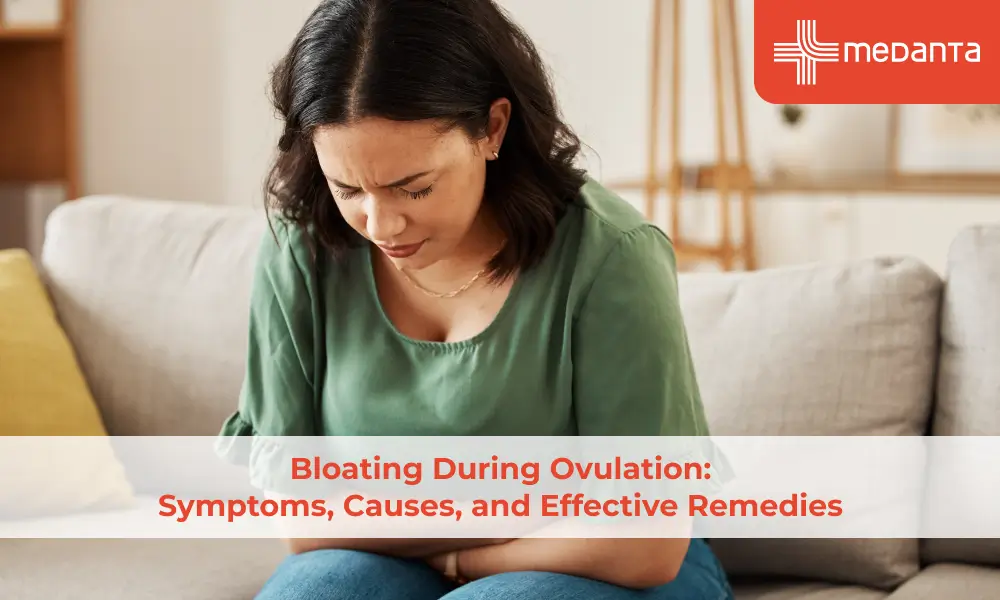
TABLE OF CONTENTS
- Why Bloating Happens During Ovulation
- Common Symptoms of Ovulation-related Bloating
- Ovulation Bloating vs PMS Bloating
- Home Remedies to Relieve Bloating During Ovulation
- Dietary Tips to Reduce Ovulation Bloating
- Exercises and Physical Activity for Relief
- When to Consult a Doctor
- Lifestyle Habits to Minimise Ovulation Discomfort
- Conclusion: Managing Bloating During Ovulation Naturally
- FAQs
Ovulation bloating affects many women and ovulation pain affects up to 40% of women of reproductive age. As a woman you may have often overlooked this uncomfortable sensation of fullness in your abdomen during the menstrual cycle.
You may have a bloating between days eleven and fourteen of the menstrual cycle, though individual cycle lengths can cause variations in timing. Some women experience symptoms for just a few hours, while others feel bloated for a few days. Many women ask if bloating during ovulation is normal. The answer is reassuring - bloating during and after ovulation is a natural occurrence. Hormonal changes during this phase of the reproductive cycle trigger these symptoms. Women can manage this discomfort effectively with several methods.
This article explains the mechanisms behind ovulation-related bloating, helps distinguish between ovulation and premenstrual bloating, and offers practical natural remedies to reduce these symptoms.
Why Bloating Happens During Ovulation
That uncomfortable fullness in your belly is real. Your body's hormonal changes cause ovulation bloating. The body goes through several changes as it releases an egg mid-cycle:
Your body retains more water due to a surge in Luteinizing Hormone (LH) and rising oestrogen levels.
Progesterone levels increase after ovulation and slow down digestion (which gives you a feeling of heaviness). The body releases hormone-like substances called prostaglandins that trigger mild cramping and discomfort.
The follicle that contains the egg reaches its maximum size at this time, which puts extra pressure on your abdomen.
Common Symptoms of Ovulation-related Bloating
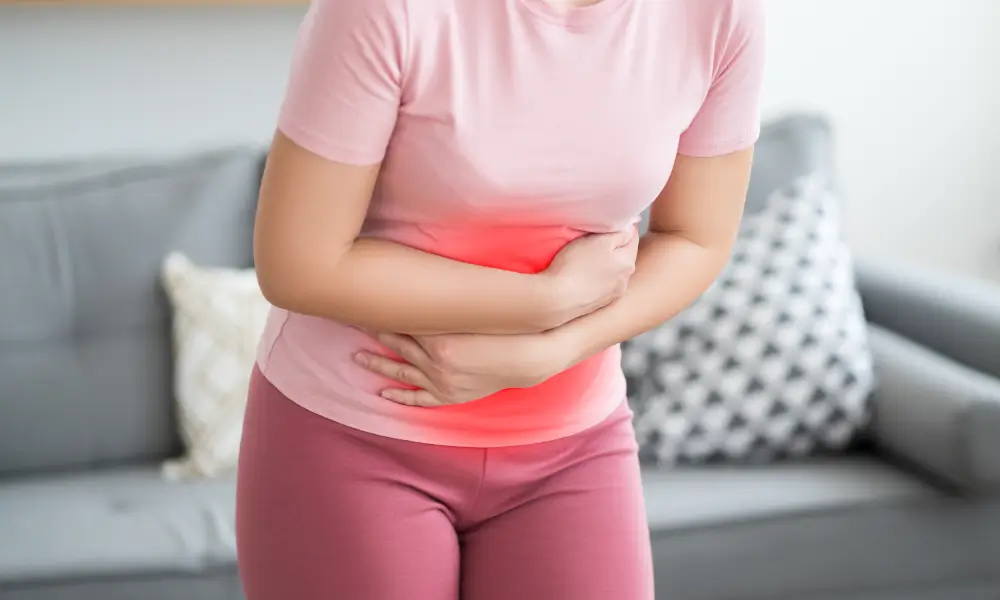
These symptoms usually show up between days 11-14 of your menstrual cycle and last anywhere from a few hours to two days. Common symptoms are:
Puffiness around your middle section
Abdominal discomfort ranging from mild cramps to sharp sensations (typically on one side)
Temporary weight gain because of water retention
Clear, stretchy vaginal discharge that looks like egg whites
Breast tenderness or swelling
Your sense of taste and smell becomes stronger
Sexual desire increases
Ovulation Bloating vs PMS Bloating
Feature | Ovulation Bloating | PMS Bloating |
Timing | Mid-cycle (around day 14) | 7-14 days before period |
Duration | A few hours to 2 days | Lasts until the period begins |
Hormones | LH surge, progesterone rise | Prostaglandins build up, oestrogen and progesterone fall |
Additional Symptoms | Mild cramping, clear discharge | Mood swings, headaches, fatigue, irritability |
Home Remedies to Relieve Bloating During Ovulation
Herbal teas can ease digestive discomfort naturally. Ginger helps calm your stomach and fights inflammation, while peppermint relaxes your digestive muscles. A cup of chamomile tea soothes both your mind and belly. A heating pad or hot water bottle placed on your lower abdomen can relax muscles and bring quick relief.
Dietary Tips to Reduce Ovulation Bloating
Foods packed with potassium and magnesium help your body reduce water retention and bloating. You might want to add these to your meals:
Bananas, spinach, tomatoes, and avocados
Anti-inflammatory foods like berries, fatty fish and leafy greens
Probiotics from yoghurt and fermented foods
Stay away from sodium, processed foods, and fizzy drinks since they make water retention worse.
Exercises and Physical Activity for Relief
Your body responds well to light exercise that helps digestion and reduces water retention. A quick 20-minute walk or some gentle yoga can help you feel better. Yoga poses with twists or forward folds work great for digestive comfort. Cat-Cow and Extended Triangle poses help stretch your digestive organs.
When to Consult a Doctor
You should talk to your doctor if bloating:
Lasts more than 2-3 days
Brings severe pain
Gets in the way of daily activities
Shows up with fever, vomiting, or extreme discomfort
Lifestyle Habits to Minimise Ovulation Discomfort
Your body benefits from stress management through meditation, deep breathing, or a relaxing warm bath. If you eat mindfully you are at advantage - try smaller meals more often and chew your food well to avoid swallowing extra air.
Conclusion: Managing Bloating During Ovulation Naturally
Bloating during ovulation is a natural component of your monthly cycles. The body goes through hormonal changes during this time (leading to water retention and an uncomfortable full feeling). This temporary discomfort usually passes within two days. Basic lifestyle changes often bring substantial relief. Ginger and peppermint teas soothe digestive issues and potassium rich foods deal with water retention. Light exercise and gentle yoga poses can give you relief from discomfort naturally. Heat therapy works wonders for many women and relaxes tense abdominal muscles quickly.
Note that if you have severe bloating or bloating is bothering you for a long time you need a doctor's attention. The body sends these signals as part of its natural reproductive cycle. Working with these changes through thoughtful self-care makes ovulation more comfortable instead of fighting against them. Many women have discovered that by tracking these bodily changes they can learn about their overall health and fertility patterns. The body's unique rhythms enable you to take better care of yourself throughout your cycle.
FAQs
Why do I feel bloated during ovulation?
Your body goes through hormone changes that cause this uncomfortable fullness. Right before ovulation rising oestrogen makes your body hold onto extra water. The surge in luteinizing hormone (LH) adds to fluid retention. The egg release triggers higher progesterone levels that can slow down digestion and create that heavy feeling. You might also feel pressure in your lower abdomen from the growing follicle with the egg.
How long does bloating last during ovulation?
The discomfort usually goes away in a few days. Most women notice ovulation bloating lasting anywhere from a few hours to two days. The fullness might stick around until your period starts if you have hormone changes. Every woman's cycle is different, so your experience might vary.
What home remedies help with ovulation bloating?
Drinking enough water helps flush out extra sodium and cuts down water retention. A warm compress or hot water bottle on your belly can relax your muscles and ease discomfort. You'll feel better if you eat slowly and chew well to avoid swallowing air. A quick 20-minute walk around the block can make a real difference.
Are there foods that worsen bloating during ovulation?
Salty foods make your body hold onto more water. Processed foods and artificial sweeteners tend to make bloating worse. You might feel better if you cut back on FODMAP foods - these are fermentable carbs found in some fruits, vegetables, and wheat products. Sugar can also upset your digestion during this time.
How can I distinguish ovulation bloating from PMS bloating?
The timing tells you the difference - ovulation bloating shows up mid-cycle (around day 14), while PMS bloating hits 7-14 days before your period. PMS brings other signs like mood swings, irritability, headaches, and tender breasts. Ovulation symptoms don't last as long as PMS discomfort, which can hang around until your period starts.
Can exercise reduce bloating during ovulation?
Light or moderate exercise gets your digestion moving and helps with water retention. Walking, swimming, or gentle yoga work great. Some women find that intense workouts make inflammation and bloating worse. Just 20 minutes of moving around each day can help you feel much better.
When should I see a doctor for bloating during ovulation?
You should talk to a doctor if bloating stays with you through your entire cycle instead of just around ovulation. Don't wait to get checked if you have bad pain, fever or bloating that gets in the way of your daily life. Watch out for unusual signs like strange discharge, nausea, or irregular bleeding. Getting checked helps rule out issues like endometriosis or ovarian cysts that might cause long-lasting bloating.