

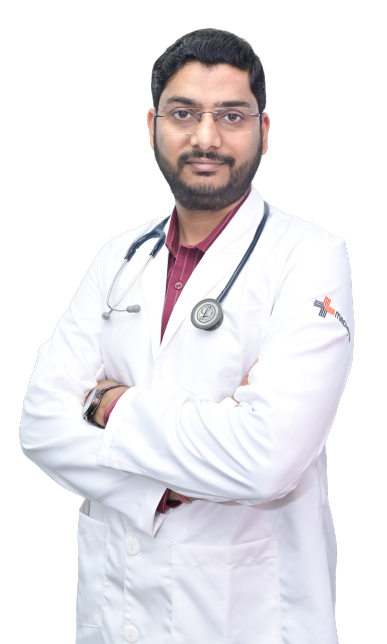
Endocrinology is the medical speciality concerned with the hormone-producing glands and the metabolic consequences of their dysfunction. Diabet...
Endocrinology is the medical speciality concerned with the hormone-producing glands and the metabolic consequences of their dysfunction. Diabetes, thyroid disease, pituitary and adrenal disorders, osteoporosis, polycystic ovarian syndrome and disorders of calcium and bone metabolism all fall within its scope. What these conditions share is that they are rarely curable - they are managed over years, with treatment goals that shift as the disease evolves and as the patient's circumstances change. The quality of long-term endocrine management therefore depends heavily on continuity with a doctor who understands both the specialty's complexity and the individual patient's clinical history.
Medanta Indore's Department of Endocrinology and Diabetes provides specialist endocrine care across this full clinical spectrum. Two DM-qualified endocrinologists - Dr. Tanmay Bharani and Dr. Rahul Chauda - manage diabetes mellitus in all its forms, thyroid and parathyroid disease, pituitary and adrenal disorders, metabolic bone disease including osteoporosis, obesity and hormonal disorders including PCOD and menstrual irregularity.
The department operates in clinical collaboration with other Medanta Indore specialities - endocrinology intersects regularly with cardiology in the management of diabetic cardiovascular risk, with nephrology in diabetic nephropathy, with ophthalmology in diabetic retinopathy and with the GI surgery team when bariatric surgery is being considered as a metabolic intervention.
Diabetes Mellitus - Type 1, Type 2, and Gestational
Type 2 diabetes is the most prevalent endocrine condition in India. Management has become considerably more varied over the past decade - the choice between metformin, SGLT2 inhibitors, GLP-1 receptor agonists, DPP-4 inhibitors, and insulin is no longer simple, and the decision involves not just glycaemic targets but also cardiovascular risk profile, renal function, weight considerations and the risk of hypoglycaemia.
Type 1 diabetes (a fundamentally different autoimmune condition) requires insulin management from diagnosis and ongoing optimisation of regimens, monitoring for complications and where appropriate, consideration of insulin pump therapy or continuous glucose monitoring.
Gestational diabetes requires its own management framework, with implications for both maternal and foetal outcomes and for the long-term risk of type 2 diabetes in the mother. Both Dr. Bharani and Dr. Chauda manage all three presentations.
Thyroid and Parathyroid Disorders
Hypothyroidism, hyperthyroidism, thyroid nodules, thyroid cancer follow-up and the management of thyroid disease in pregnancy are all within the department's scope. Parathyroid disorders - primary hyperparathyroidism with its associated hypercalcaemia, nephrocalcinosis, and bone disease; hypoparathyroidism post-thyroid or parathyroid surgery - require endocrinological assessment and management. The medical management of thyroid conditions, including the use of antithyroid drugs, radioiodine therapy, and thyroid hormone replacement, sits with the endocrinologist; surgical management of thyroid and parathyroid disease is coordinated with the surgical team. Both consultants manage thyroid and parathyroid conditions, with Dr. Chauda also listing parathyroid disorders explicitly.
Pituitary and Adrenal Disorders
Pituitary tumours - functioning adenomas producing excess prolactin, growth hormone, or ACTH, and non-functioning adenomas causing mass effects - require biochemical and radiological assessment and management decisions that involve both endocrinology and neurosurgery. Adrenal disorders including Cushing's syndrome from cortisol excess, Conn's syndrome from aldosterone excess, phaeochromocytoma, adrenal insufficiency, and incidentally discovered adrenal masses - each carry specific diagnostic and therapeutic implications. Dr. Chauda lists both pituitary and adrenal disorders as specific areas of his endocrine practice.
Metabolic Bone Disease, Obesity, and Reproductive Endocrinology
Osteoporosis assessment through DEXA scanning and fracture risk calculation as well as the initiation and monitoring of bone-protective therapy are specific areas of Dr. Bharani's practice. Metabolic bone diseases more broadly, including vitamin D deficiency with secondary hyperparathyroidism and Paget's disease, also fall within endocrine scope. Obesity managed as a metabolic condition with pharmacological options and bariatric surgery is within Dr. Chauda's clinical scope. PCOD and menstrual disorders - presenting with anovulation, hyperandrogenism, insulin resistance, and associated metabolic risk are conditions where endocrinological assessment and management is central, complementing gynaecological input.
Dr. Tanmay Bharani, Senior Consultant, holds a DM in Endocrinology, an MD in General Medicine and an MBBS. His clinical focus centres on diabetes mellitus type 1 and 2, thyroid diseases, metabolic bone diseases, and gestational diabetes. The depth of subspecialty training represented by a DM in Endocrinology reflects a postgraduate programme structured specifically around the full range of hormonal and metabolic conditions, rather than a general medicine qualification with an endocrine interest.
Dr. Rahul Chauda, Consultant, holds a DrNB in Endocrinology from Vardhaman Mahavir Medical College and Safdarjung Hospital, New Delhi. His MD in Medicine was completed at PGIMS Rohtak and his MBBS at Thanjavur Government Medical College, Tamil Nadu - a training trajectory that spans three different medical institutions across three different states, reflecting a breadth of exposure uncommon in a single physician's formation. His clinical scope covers the full range of endocrine conditions: diabetes mellitus of all types, obesity, thyroid and parathyroid disorders, PCOD and menstrual disorders, osteoporosis, and pituitary and adrenal conditions.
My HbA1c has been above 8% for two years despite medication. Should I see an endocrinologist rather than managing through a general physician?
Persistently suboptimal glycaemic control - HbA1c above 7 to 7.5% over an extended period despite treatment needs a specialist endocrinology review. A general physician manages diabetes competently in uncomplicated cases, but when control is poor, when the medication regimen needs rationalisation, when there are complications developing in target organs or when newer agents such as GLP-1 receptor agonists or SGLT2 inhibitors should be considered for their cardiovascular and renal protective benefits beyond glycaemia, an endocrinologist adds specific value. The review at Medanta Indore will assess your current regimen, investigate whether there are contributors to poor control beyond medication choice, and adjust the treatment plan accordingly.
What is polycystic ovarian syndrome and why does it need endocrinological management?
PCOD (polycystic ovarian disease or syndrome) is a hormonal disorder characterised by anovulation or irregular ovulation, hyperandrogenism causing acne and hirsutism and often insulin resistance and compensatory hyperinsulinaemia. While it presents with gynaecological symptoms like irregular periods or difficulty conceiving the underlying pathophysiology is substantially metabolic and endocrine. Insulin resistance drives androgen excess in many cases; addressing the insulin resistance through lifestyle modification, metformin, and in some cases newer insulin-sensitising agents can restore ovulatory function and reduce the long-term metabolic risk of PCOD - which includes a significantly elevated risk of type 2 diabetes and cardiovascular disease over time. An endocrinologist's assessment addresses both the hormonal profile and the metabolic risk dimension alongside gynaecological management.
I have been told I have high calcium in my blood. What could be causing this and who should evaluate it?
Hypercalcaemia (elevated serum calcium) has a differential diagnosis that begins with primary hyperparathyroidism and malignancy, which together account for the large majority of cases. Primary hyperparathyroidism results from autonomous overproduction of parathyroid hormone, typically from a single benign parathyroid adenoma, and is confirmed by finding an elevated or inappropriately normal PTH alongside elevated calcium. Other causes include granulomatous diseases such as sarcoidosis, vitamin D toxicity, malignancy and certain medications. The investigation starts with a simultaneous calcium and PTH measurement. An endocrinology consultation at Medanta Indore is the appropriate first step for unexplained hypercalcaemia after which imaging and further workup will be directed by the biochemical findings.


 1068
1068
 Request Call Back
 Contact
 1068
1068