1068
1068
 Request Call Back
 Contact
 1068
1068
Stomach Cramps: Causes, Symptoms & Quick Relief Tips
Published on: Jan 21, 2026
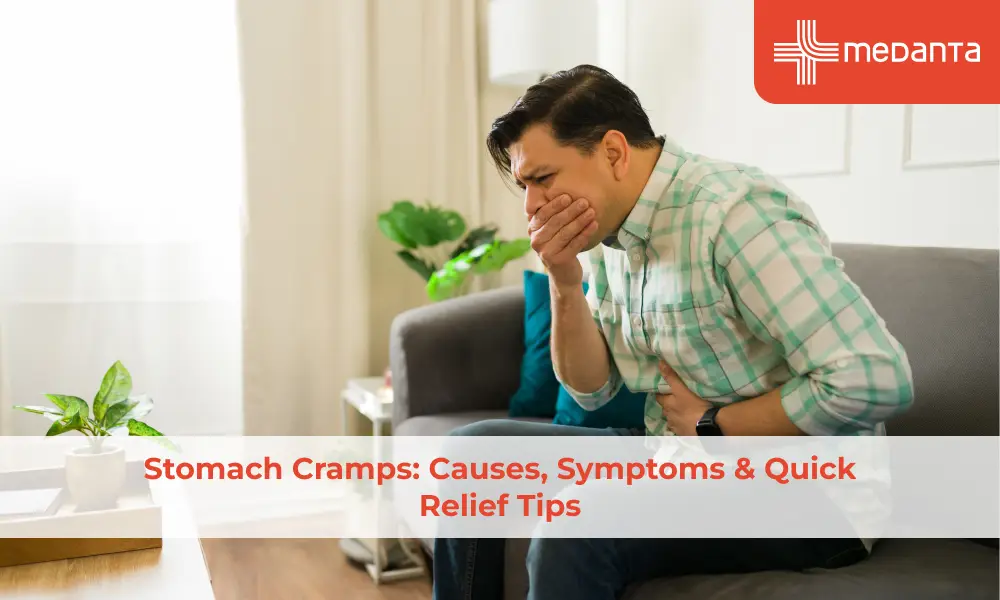
TABLE OF CONTENTS
Almost everyone experiences stomach cramps at the time they least expect it. The pain ranges from a mild annoyance to something that can leave you completely debilitated. Most people recover from abdominal pain without needing medical help, though the discomfort often feels more intense than others might realise.
Your belly contains many vital organs like the stomach, liver, kidneys, and intestines. This explains why stomach pain has such diverse causes. The pain often stems from indigestion, food allergies, irritable bowel syndrome, constipation, or even stress. The risk of stomach problems increases for specific groups of people. Older adults, children under 5, pregnant women, and people with weakened immune systems face a greater chance of getting food poisoning.
This article explains everything about stomach cramps - from what triggers them to how you can find quick relief. The content helps you spot warning signs and know the time to seek medical help.
What Causes Stomach Cramps?
Your stomach cramps happen when digestive muscles squeeze too hard, which creates that familiar tight, painful feeling. The pain can range from mild discomfort to severe pain that stops you from going about your day.
Several things can trigger stomach cramps. These are:
Digestive problems like indigestion, gas, constipation, or diarrhoea
Food poisoning or stomach flu can inflame your digestive system and cause stomach cramps
People with food allergies or those who can't handle lactose, gluten, or certain food additives often experience painful reactions.
Many large intestine conditions like IBS, constipation, diarrhoea, diverticulitis, and inflammatory bowel disease (Ulcerative colitis, Crohn's disease) can cause cramps in your stomach
Liver & gallbladder related conditions like fatty liver disease, hepatitis, liver abscess, gallstones or cholecystitis might cause upper abdomen cramps
Pancreatic issues like acute or chronic pancreatitis or tumours also result in abdominal pain
Kidney or bladder stones, UTIs, pyelonephritis or bladder infection cause severe pain & cramps
Hernias or abdominal muscle strain can result in belly pain
Appendicitis typically results in right lower abdominal cramps
Your emotional state plays a big role too - stress and anxiety can show up as stomach pain by throwing off your digestion.
Common Symptoms of Stomach Cramps
Stomach cramps rarely come alone. Other symptoms include (but not limited to):
Bloating & gas
Nausea or need to throw up
Change in bathroom habits (diarrhoea or constipation)
The pain itself comes in different forms - it might stab at you suddenly, hang around as a dull ache or twist and squeeze. Many people notice their symptoms get worse after eating or during stressful times.
Quick Relief Tips for Stomach Cramps
A heating pad on your belly can help relax those tight muscles right away.
Over the counter antacids provide relief from bloating and gas related pain.
Getting some rest helps you recover, especially if a stomach bug is behind your pain.
Make sure to drink clear fluid or sip ORS if you're throwing up to avoid dehydration.
Skip solid foods at first then start with bland stuff like crackers or bananas once you start feeling better.
Home Remedies to Relieve Stomach Cramps Naturally
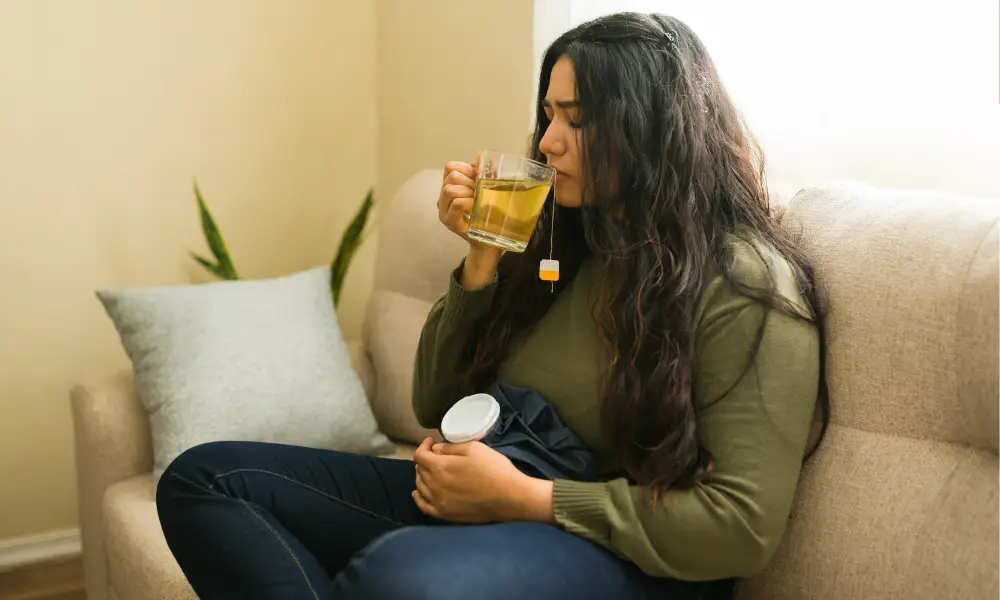
The following are some effective home remedies:
Ginger works great as a natural anti-inflammatory that helps digestion and fights nausea.
The menthol in peppermint tea can relax your intestinal muscles and stop painful spasms.
Chamomile tea also helps calm your stomach through its anti-inflammatory properties.
A warm water bottle or gentle belly massage can boost blood flow and ease those tense stomach muscles.
Prevention Tips to Avoid Stomach Cramps
Take your time eating and chew your food well to help digestion.
Keep yourself hydrated throughout the day.
Start a food diary to spot what triggers your cramps.
Learn to handle stress through deep breathing or meditation.
Eating smaller meals more often works better than three big ones.
Regular exercise helps keep your digestion running smoothly.
When to See a Doctor for Stomach Cramps
Most stomach cramps go away by themselves, but some warning signs need immediate medical attention.
Seek emergency care immediately if stomach pain comes with:
Severe, sudden pain that gets worse quickly
Blood in stool or vomit
High fever (over 100°F for adults or 100.4°F for children)
Chest pain or trouble breathing
Pain spreading to the neck, shoulders or back
Rigid or very tender abdomen
Not being able to pass stool or gas, especially with vomiting
Yellowing of skin and eyes (jaundice)
If you have severe pain in the lower right abdomen — especially with fever, nausea, and inability to find a comfortable position — seek emergency care immediately. This could be appendicitis, which requires urgent surgical assessment.
Contact your doctor if you experience:
Stomach pain that lasts more than 24-48 hours
Ongoing vomiting or diarrhoea that causes dehydration
Unexplained weight loss
Burning sensation when urinating
Bloating that continues for more than two days
Some situations need a quick medical evaluation. Pregnant women must take abdominal discomfort seriously. Stomach cramps with changed bowel habits might point to conditions that need treatment.
Conclusion
Everyone experiences stomach discomfort differently, but it remains a common issue we all face in life. These belly pains usually don't signal anything serious, yet they can disrupt your daily routine and cause worry. Your body usually tells you clearly when something needs professional care.
Your digestive health links directly to how well you feel overall. While most stomach cramps go away on their own, you must listen to your body. However ongoing or severe pain needs proper attention. This balanced approach helps you handle stomach issues with confidence while knowing when to get expert help.
FAQs
What are the biggest problems that cause stomach cramps?
Stomach cramps happen for many reasons. These are:
Indigestion & gas
Constipation
Diarrhoea
Stomach flu
Food poisoning
Food allergies - especially with lactose, gluten or food additives
Long-term conditions like IBS or gastritis
Abdominal muscle strain
Appendisitis
Hernia
Liver and gall bladder issues
Reproductive organ issues like endometrisis, ectopic pregnancy, ovary cysts or tumours, prostatitis, or testicular torsion
How can I relieve stomach cramps quickly at home?
A heating pad works great to relax your stomach muscles. You should drink clear fluids to stay hydrated. Ginger or peppermint tea can help reduce inflammation naturally. Your body needs rest to recover, especially if you have a stomach virus. Start with no food, then slowly add bland foods as you feel better.
Can certain foods trigger stomach cramps?
Yes! Your stomach might hurt after eating spicy, fatty or fried foods. Dairy, citrus fruits, caffeine, alcohol and fizzy drinks often cause problems. Many people get bloated and uncomfortable from artificial sweeteners. Even healthy foods like corn can upset your stomach if you eat too much.
At what point should I see a doctor for stomach cramps?
Get medical help right away if you have severe, sudden pain, blood in your stool or vomit, high fever, breathing problems, yellow skin, or severe vomiting. You should call your doctor if the pain lasts more than 24 hours or keeps coming back.
Are stomach cramps a sign of a serious condition?
Most stomach cramps aren't dangerous. But strong or lasting cramps might point to appendicitis, gallstones, kidney stones, ulcers, pancreatitis or inflammatory bowel disease. Research shows that many people who visit emergency rooms with non-traumatic stomach pain need urgent treatment.
Can stress or anxiety cause stomach cramps?
Yes, it is true! Scientists have found a strong connection between your brain and gut. Stress hormones can change how your gut moves and affect your gut bacteria. This leads to cramping, bloating, diarrhoea or constipation. Your nervous system talks to your gut during anxiety, which makes your digestive muscles react.
What home remedies help with stomach cramps?
The BRAT diet works well for an upset stomach - that's Bananas, Rice, Applesauce, and Toast. Try drinking chamomile tea to relax your digestive system. Mix some apple cider vinegar with water to help with indigestion. A short walk can improve digestion. Deep breathing helps relax your stomach muscles.
How can I prevent recurring stomach cramps?
Take time to eat and chew your food well. Drink water throughout the day. Keep track of foods that upset your stomach in a diary. Eat smaller meals more often instead of big ones. Learn to handle stress better through relaxation. Regular exercise helps keep your digestion healthy.