1068
1068
 Request Call Back
 Contact
 1068
1068
Processed Plant-based Foods: Potential Health Risks You Should Know
Published on: Dec 02, 2025

TABLE OF CONTENTS
- What Are Processed Plant-based Foods?
- Nutritional Differences: Whole Foods vs. Processed Options
- Hidden Sugars, Sodium, and Additives in Plant-Based Products
- Impact on Heart Health and Cholesterol
- Effects on Weight Management and Metabolism
- Gut Health and Digestive Concerns
- Risk of Nutrient Deficiencies from Processed Plant-Based Foods
- How to Identify and Avoid Unhealthy Processed Plant-Based Foods
- Tips for Maintaining a Healthy, Whole-Food Plant-Based Diet
- FAQs
Many people might be shocked to learn about the health risks of processed plant-based foods they thought promoted wellness.
Plant-based labels don't guarantee health benefits. Packaged plant-based
products that undergo heavy processing - like nuggets, patties and ready to eat meals - often have excessive salt, unhealthy fats, sugar, preservatives and artificial flavour enhancers.
What Are Processed Plant-based Foods?
"Processed plant-based foods" encompass products ranging from slightly modified to extensively transformed plant ingredients. These products include simple frozen vegetables and sophisticated meat substitutes that replicate animal products.
Food manufacturers craft plant-based meat analogues from vegetarian or vegan ingredients to match conventional meat's taste, texture and appearance. Soy, legumes (chickpeas, lentils, peas), grain proteins, and various oils (sunflower, coconut, palm) serve as primary ingredients. The products incorporate colourings like cumin and beetroot juice, along with spices, herbs, and yeast extract that enhance flavour.
The expansion of the vegan food market has driven technological innovations in manufacturing, including 3D printing, extrusion, and shear cell processes.
The NOVA classification system categorises food items by their processing levels:
Unprocessed or minimally processed foods
Processed culinary ingredients
Processed foods
Ultra-processed foods
Nutritional Differences: Whole Foods vs. Processed Options
The nutritional differences between whole plant foods & their processed substitutes are remarkable. This table emphasises the vital differences:
Nutrient/Component | Whole Plant Foods | Processed Plant-Based Foods |
Fibre | Rich source (14-35g per day recommended) | By a lot reduced during processing |
Protein Quality | Complete in combinations (e.g., beans with grains) | Often lower quality |
Essential Amino Acids | Varied profiles (legumes high in lysine, grains high in methionine) | May be incomplete unless fortified or blended |
Vitamins | Abundant, especially water-soluble vitamins | Reduced by half compared to minimally processed foods |
Minerals | Naturally occurring iron, calcium, zinc | Often lower in zinc and calcium unless fortified |
Added Sugars | None | Often excessive |
Sodium | Naturally low | Frequently high ( |
Energy Density | Lower (e.g., potato: 95 kcal/100g) | Higher (e.g., potato chips: 545 kcal/100g) |
Beneficial Phytochemicals | Abundant | Often removed or diminished during processing |
Saturated Fat | Naturally low | Variable |
Plant-based foods lose much of their nutritional value through increased processing. Some nutrients get artificially restored through fortification.
Hidden Sugars, Sodium, and Additives in Plant-Based Products
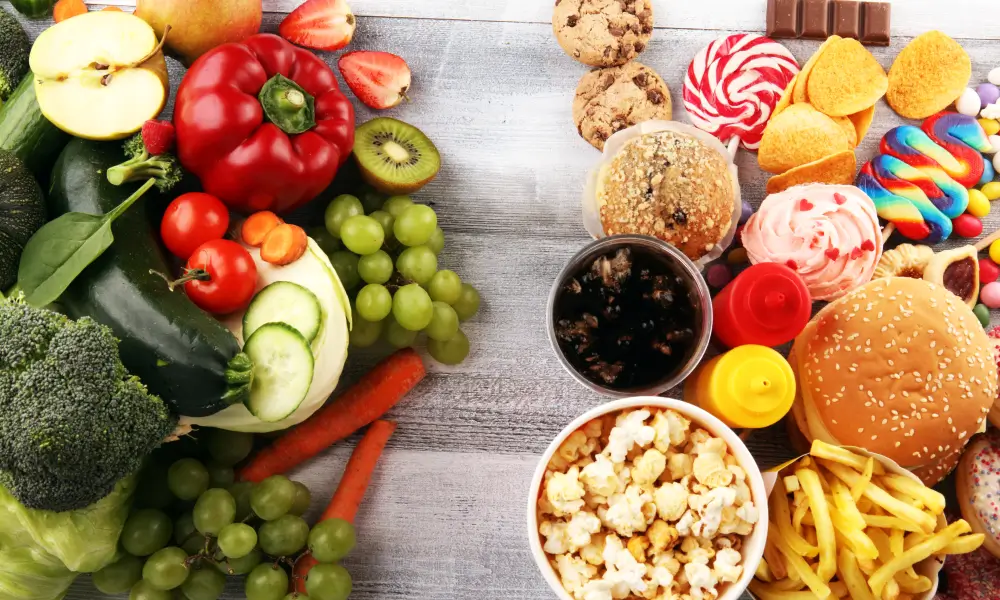
Hidden sugars lurk in many processed plant-based foods. Plant-based milks come with misleading "no added" or "low sugar" claims that don't show you everything. Added sugar shows up in the majority of packaged foods. The sodium content in plant alternatives ranges widely - from just 1 milligramme per 100 grams in tofu to a whopping 2,000mg per 100g in some plant-based mince products. A single bowl could max out your daily recommended sodium intake.
Impact on Heart Health and Cholesterol
Plant-based ultra-processed food might raise your cardiovascular disease risk. However, switching from meat to plant-based alternatives can drop total cholesterol and LDL cholesterol to some extent. Your cholesterol levels might drop even more with mycoprotein-based foods because of their high fibre conten
Effects on Weight Management and Metabolism
Science challenges what we think about processed foods and weight gain. According to various studies cutting back on animal foods and adding plant-based options led to real weight loss. People who stuck to a vegan diet dropped more weight than others in the control group.
Gut Health and Digestive Concerns
Ultra-processed foods can throw your gut bacteria out of balance. Your gut might get irritated by additives like emulsifiers and artificial sweeteners. Plant-based diets help good gut bacteria grow. These bacteria make short-chain fatty acids that strengthen your gut barrier and reduce inflammation.
Risk of Nutrient Deficiencies from Processed Plant-Based Foods
Vegans often miss out on vitamin B12, iron, calcium, vitamin D, iodine, zinc, and omega-3 fatty acids. Their vitamin B12 intake runs way lower than what's recommended. Most vegans don't get enough calcium to meet the daily target. More challenges pop up if you have a low income and can't afford fortified foods.
How to Identify and Avoid Unhealthy Processed Plant-Based Foods
The world of plant-based alternatives demands watchfulness because not all "plant-based" products support good health. You should get into the ingredient list—shorter lists are better. Products with long paragraphs of ingredients usually belong to the ultra-processed category.
Look for these red flags:
Chemical-sounding names: If it reads like a chemistry experiment (maltodextrin, hydrolysed proteins, potassium sorbate), it's best avoided
Multiple types of sugar: Watch for dextrose, high-fructose corn syrup, maltose—these are simply different forms of sugar
Artificial colours: E-numbers between 100-199 often indicate artificial colours linked to health concerns
Trans fats: Avoid partially hydrogenated oils entirely
High sodium content: Choose products with less than 1.5g of salt per 100g
Most plant milks and plant-based meat alternatives fall into the ultra-processed category.
Your best choices are whole foods that don't need ingredient lists—fruits, vegetables, legumes, nuts, and seeds. When buying packaged items, stick to products with ingredients you'd find in your kitchen.
Note that "dairy-free" or "lactose-free" labels don't automatically mean vegan or healthy. As with allergen warnings that say "may contain," these usually point to manufacturing practices rather than actual ingredients.
Tips for Maintaining a Healthy, Whole-Food Plant-Based Diet
A balanced whole-food plant-based lifestyle can be simple to adopt. Your experience becomes easier when you replace two animal foods with plant alternatives each week.
Stock your kitchen with these nutrient-rich staples:
Fresh and frozen produce in rainbow colours
Dried and canned beans, lentils
Whole grains like brown rice, buckwheat and quinoa
Raw nuts, seeds and natural nut butters
Herbs and spices add flavour without extra salt
Smart meal planning saves time and money. You can prepare larger batches twice weekly and focus on foods that store well - legumes, grains and hardy vegetables. This strategy helps avoid ultra-processed foods after busy days.
Label reading becomes second nature quickly. Look for products with simple ingredients you'd find in any kitchen. Foods high in fibre yet low in added sugars and sodium make the best choices.
Plant-based meals often need larger portions since they pack fewer calories. Listen to your body's signals and eat until you feel satisfied.
If you include animal products occasionally, higher-quality options serve you better. Organic, grass-fed or pasture-raised varieties make good choices. Vitamin B12 supplementation is vital since most plant foods lack this significant nutrient.
FAQs
What are processed plant-based foods?
These foods are industrial formulations that use plant ingredients changed through mechanical or chemical processes. You'll find everything from canned vegetables to plant-based meat alternatives. Studies show that many meat alternatives and plant milks fall into the ultra-processed category.
Are processed plant-based foods bad for your health?
The answer isn't simple. Whole plant foods are your best choice, but even ultra-processed plant options usually have less cholesterol, saturated fat, and more fibre than animal products. The health effects depend mostly on specific ingredients and how they're processed.
How do processed plant-based foods affect heart health?
Your risk of heart disease increases with the consumption of plant-based ultra-processed foods. The good news? Switching to minimally processed plants cuts heart disease risk.
Can these foods contribute to weight gain or metabolic issues?
Research reveals something interesting. Switching from animal products to plant-based options helps with weight loss. One study found that people following a vegan diet lost more weight than non-vegans.
Are there hidden sugars and additives in plant-based products?
Yes, there are. Many products contain too much sugar, sodium, emulsifiers, modified starches, and artificial flavours. Watch out for ingredients like aspartame, sodium benzoate, and thickeners like carrageenan.
Do processed plant-based foods affect gut health?
These foods can disrupt your gut microbiota through additives and lack natural fibre. High-fat, high-carbohydrate processed foods increase endotoxemia, unlike meals with whole grains and fruits.
Can relying on processed plant-based foods cause nutrient deficiencies?
Of course. Vegan diets often lack vitamin B12 and calcium. You might also end up short on zinc, selenium, and vitamin D.
How can I tell if a plant-based food is processed or healthy?
The quickest way is to check the ingredient list—shorter is better. Stay away from products with multiple additives, artificial flavours, or long chemical names.
Are plant-based meat substitutes harmful if you keep taking them?
Plant-based meat alternatives come with their own set of benefits and drawbacks. You should know about their different nutritional profiles before eating them regularly.
Here's the good news: most plant-based alternatives pack beneficial dietary fibre, phytochemicals, and less saturated fat than animal products. They don't contain cholesterol and have fewer calories.
The key lies in balance. A nutrition expert points out, "Just the fact that something might fall under the definition of ultra-processed doesn't mean it's bad". These foods work best as an occasional choice rather than a daily staple.
What are some tips to keep people fed on a whole-food plant-based diet?
A healthy plant-based eating pattern follows some simple principles:
Build your meals around whole, minimally processed foods
Load up on vegetables, fruits, whole grains, legumes, nuts, and seeds
Choose quality foods—go organic when possible
Stay away from refined foods including added sugars, white flour, and processed oils
Read labels on packaged foods and pick ones with fewer ingredients