1068
1068
 Request Call Back
 Contact
 1068
1068
How Many Calories Are in Guava: Nutrition Facts and Health Benefits
Published on: Jan 09, 2026
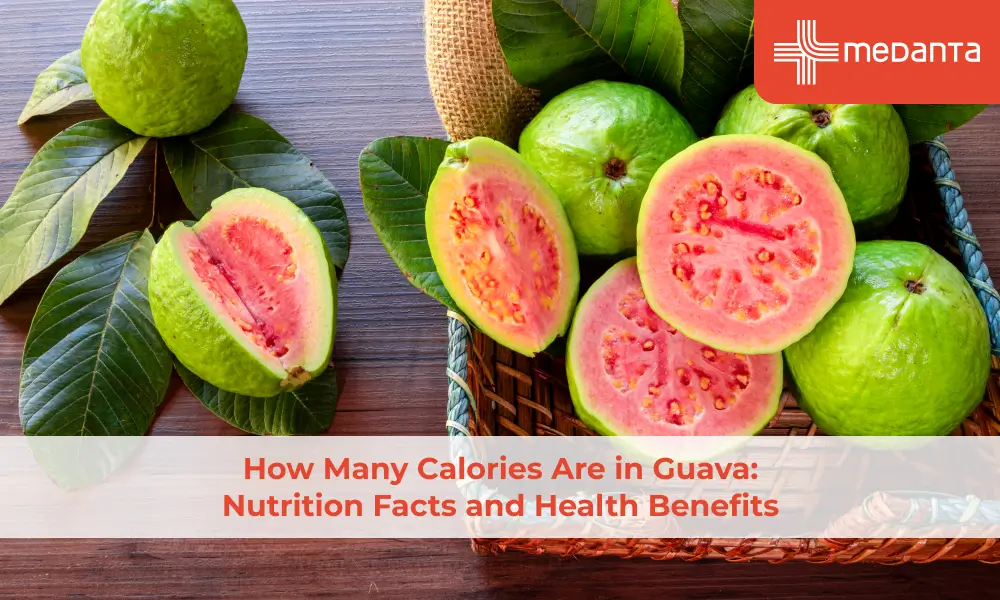
TABLE OF CONTENTS
- Calories in Guava: Small, Medium, and Large Sizes
- Macronutrient Content: Protein, Carbohydrates, and Fibre
- Vitamins and Minerals in Guava
- Health Benefits of Eating Guava
- Guava for Immunity and Digestive Health
- How Guava Can Aid in Weight Management
- Ways to Include Guava in Your Diet
- Precautions for Diabetics and Low-Sugar Diets
- Conclusion
- FAQs
Guava has low calories. But do not underestimate this fruit just because of this reason. It gives you exceptional nutritional benefits. A medium-sized guava has only 37 to 41 calories which makes it perfect for health-conscious eaters. This tropical fruit contains four times more vitamin C than oranges and provides more than double the recommended daily intake in a single serving.
The fruit's nutritional benefits go far beyond its modest calorie count. One cup of chopped guava (165g) contains 112 calories, where carbohydrates make up 75%, protein 13%, and fat 12%. The fruit's impressive fibre content provides 12% of the daily recommended intake. Your body feels full longer because of this unique combination of low calories and high fibre, which naturally reduces overall food intake.
Guava's health benefits are truly remarkable. The fruit's vitamins and minerals come with a very low glycemic index of 12-24. Research indicates that guava extract could prevent and stop cancer cell growth. The fruit has zero cholesterol and minimal sodium thus it is an excellent choice for most diet plans.
Calories in Guava: Small, Medium, and Large Sizes
It’s kind of surprising that a small guava has only 37 calories. If you go for a medium size, you’re looking at about 68. A big cup size guava? That’s just 112. Most of those calories come from carbs, with a little bit from protein and fat. Here’s a quick breakdown:
• Carbs: about three-quarters
• Protein: 13%
• Fat: 12%
Macronutrient Content: Protein, Carbohydrates, and Fibre
The protein content in guava surprises many people - 2.6g per 100g, and a large serving delivers up to 4.2g.
The carbohydrate content reaches 14.3g per 100g, and natural sugars make up 8.92g of this total.
Guava's fibre content sets it apart from other fruits completely. Each 100g serving provides 5.4g of fibre, and larger portions give you nearly 9g. This rich fibre content helps your digestion and makes weight management easier.
Vitamins and Minerals in Guava
The micronutrient profile makes this fruit truly exceptional. Each 100g of guava gives you an impressive 228.3mg of vitamin C (more than 1.5 times of what you need daily). You will also get below mentioned nutrients including but not limited to:
Potassium: 417mg (12% DV)
Folate: 49μg (12% DV)
Vitamin A: 624 IU (13% DV)
Magnesium: 22mg (6% DV)
This nutrient-rich profile makes guava a great way to boost your immunity and overall health.
Health Benefits of Eating Guava
Guava helps your heart by lowering harmful cholesterol in your bloodstream.
The fruit's potassium helps control blood pressure, so it reduces your risk of heart disease and stroke.
Research shows that guava leaf extract can lower 'bad' LDL cholesterol while raising 'good' HDL cholesterol.
Women who experience period discomfort might find relief with guava, as it can reduce menstrual pain.
Guava for Immunity and Digestive Health
Your immune system gets a boost from guava's vitamin C - it has four times more than oranges. This high vitamin C content can:
Help you fight off infections and colds
Help your body absorb iron from food
Help reduce inflammation in your body
Guava really stands out when it comes to digestive health. The fruit's high fibre adds bulk to stools and makes them easier to pass. It helps relieve constipation and promotes regular bowel movements. Studies show that guava leaf extract can reduce how long diarrhoea lasts through its germ-fighting properties.
How Guava Can Aid in Weight Management
Despite its sweetness, guava can help you manage your weight. Guava is one of those snacks that actually keeps you satisfied. Thanks to all that fibre, you stay full for longer and don't get hungry right away. You will be surprised to learn that a medium guava has just 40 to 50 calories, but more than 5 grams of fibre. That makes it a great pick when you need something between meals. Plus its low glycemic index means you would not get sudden sugar crashes (that leave you craving junk food). There are also natural compounds in guava that help your body burn fat and keep your metabolism going strong.
Ways to Include Guava in Your Diet
The perfect guava should smell fragrant and feel slightly soft when you gently press it. You can just grab a guava and eat it whole (seeds and skin). It’s light, sweet, and honestly, there are so many ways to enjoy it.
• Thirsty? Toss some guava into a smoothie with yoghurt and spinach, or try making tea with the leaves if you want something a little different.
• For salads, you can slice up guava and mix it with greens, cucumber, and tomatoes. It makes everything taste brighter.
Feeling adventurous? Try making a guava BBQ sauce for chicken or bake some Cuban style guava pastries if you’re in the mood for something sweet.
Precautions for Diabetics and Low-Sugar Diets
Guava helps control blood sugar levels, but you should watch your portions. People with diabetes can safely enjoy this fruit thanks to its low glycemic index. Here are some important things you need to know (including but not limited to):
Whole guava beats juice every time because its fibre slows digestion and keeps blood sugar stable after meals.
Guava leaf extract might lower blood sugar temporarily so diabetics taking medication should monitor their levels carefully.
The fruit works best when paired with protein-rich foods like nuts or seeds.
Conclusion
Guava might look simple, but it’s packed with healthy nutrients. One medium fruit has only about 40 calories, but it gives you way more vitamin C than an orange. That’s pretty amazing for such a small fruit. It’s hard to find another food that gives you so much nutrition for so few calories. Guava is full of fibre, so it helps you feel full longer. That means you can snack on it without worrying about getting hungry right after. All these vitamins and minerals help your body fight off sickness and keep your heart strong. It’s really easy to add guava to your day. You can just eat it as it is, toss it into a smoothie, or slice it up for a salad. It tastes sweet, but it won’t mess with your blood sugar. That’s a win if you’re trying to eat better.
If you spot guavas at the store, pick up a couple and give them a try. You might be surprised at how good they taste and how good they make you feel. Sometimes the healthiest foods are the ones that feel like a treat. Guava is proof you don’t have to give up flavour to eat well.
FAQs
How many calories are in a medium guava?
A medium-sized guava has 37-41 calories. This makes it a great low-calorie snack choice. A 100-gram serving contains about 68 calories, which makes it an ideal option if you want to watch your calories.
How much protein does guava contain?
Guava is known for its protein content. A 100-gram serving gives you 2.55 grams of protein, while a full cup (165 grams) provides 4.2 grams. This tropical fruit has one of the highest protein contents among fruits.
Can guava help with weight loss?
Guava helps with weight management because it combines low calories with high fibre (it keeps you feel full and reduces unnecessary snacking). The fruit's fibre content (5.4g per 100g) keeps you satisfied longer & supports your weight loss goals.
Is guava safe for diabetics?
Guava works great for people with diabetes. Its low glycemic index (between twelve to twenty four) prevents blood sugar spikes. The fibre helps slow down carbohydrate absorption which keeps glucose levels stable. Research shows that guava leaves might also help lower blood sugar.
How does guava compare to other fruits nutritionally?
Guava's nutritional value surpasses many common fruits. It has:
Five times more vitamin C than oranges
More protein than most fruits, including apples
Higher potassium levels than bananas.
What are the main vitamins and minerals in guava?
Guava is rich in vitamin C (228mg per 100g), giving you over 254% of daily requirements. You will also get:
Potassium: 417mg per 100g
Vitamin A: 31μg per 100g
Calcium: 18mg per 100g
Magnesium: 22mg per 100g.
How often should I eat guava for maximum health benefits?
To get the best health benefits, eat one medium-sized guava (150-200g) daily. This amount gives you essential nutrients without excess calories or sugars, making it perfect for daily consumption.