1068
1068
 Request Call Back
 Contact
 1068
1068
Gripe Water for Babies: Safety, Dosage and Hidden Risks Parents Must Know
Published on: Jun 15, 2026

TABLE OF CONTENTS
- Why Is Gripe Water Given to Babies?
- Gripe Water for Newborns: Is It Safe?
- Gripe Water Benefits for Babies
- When to Give Gripe Water to Breastfed Babies
- Gripe Water Age Limit for Babies
- Gripe Water Dosage for Newborns and Infants
- How Often Can You Give Gripe Water per Day?
- Ingredients in Gripe Water
- Possible Side Effects and Hidden Risks of Gripe Water
- When Should Parents Avoid Giving Gripe Water?
- Safe Alternatives to Gripe Water for Babies
- When to Consult a Paediatrician
- FAQs
Gripe water is an oral liquid preparation - combining herbal extracts such as fennel (Foeniculum vulgare), ginger (Zingiber officinale), or dill with sodium bicarbonate - for the relief of infant gastrointestinal discomfort, particularly colic, flatulence, and hiccups. Classified as a dietary supplement rather than a licensed medicine in most jurisdictions, including India, gripe water is not subject to the same efficacy and safety standards that govern pharmaceutical drugs.
Why Is Gripe Water Given to Babies?
Infantile colic - defined as crying exceeding three hours per day, three days per week, for more than three weeks in an otherwise healthy infant - affects many newborns globally and has no reliably confirmed aetiology. Caregivers turn to gripe water as an accessible, over-the-counter option for colicky crying, trapped wind, flatulence, and hiccups. The sodium bicarbonate component is believed to neutralise gastric acid transiently; herbal constituents such as fennel may exert mild antispasmodic effects on intestinal smooth muscle, though controlled trial data in neonates remain limited.
Gripe Water for Newborns: Is It Safe?
The American Academy of Paediatrics does not endorse gripe water use, and no randomised controlled trial has established efficacy superior to placebo for neonatal colic.
Gripe Water Benefits for Babies
The clinical evidence base is limited. Parents frequently report subjective improvement within 20–30 minutes of administration, most likely reflecting sensory distraction during oral administration rather than a pharmacological mechanism.
When to Give Gripe Water to Breastfed Babies
Breastfed infants already receive immunoglobulins, lactoferrin, and oligosaccharides that regulate gut flora and reduce functional gastrointestinal disorders. Introducing gripe water during or immediately after a feed risks displacing breast milk volume and may disrupt latch-on before feeding is established.
Gripe Water Age Limit for Babies
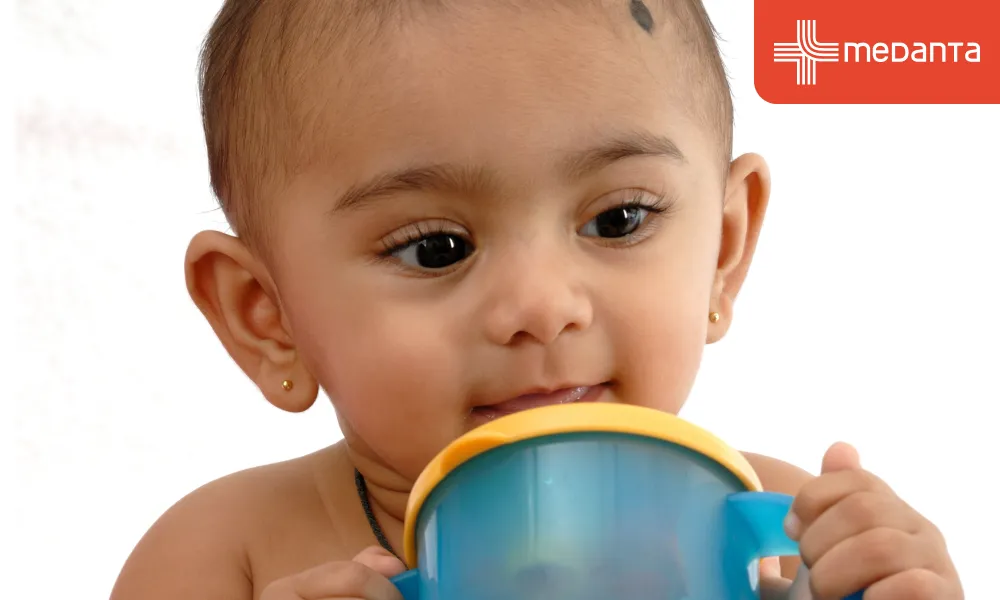
Most manufacturers specify a minimum age of four to six weeks. Clinicians advise against administration before four weeks under any circumstances, and recommend paediatric consultation before use in infants aged 4–12 weeks. Beyond six months, when the gut microbiome is more resilient, the risk profile diminishes - though colic typically resolves by three to four months, limiting the product's applicable window considerably.
Gripe Water Dosage for Newborns and Infants
There is no pharmacopoeial standard; dosing varies by brand. Typical manufacturer-recommended ranges: 2.5 mL per dose up to twice daily for infants aged 4–8 weeks; 5 mL up to three times daily from two to six months; 5–10 mL up to three times daily beyond six months. Exceeding stated doses raises the risk of sodium bicarbonate-induced metabolic alkalosis - manifesting as irritability, poor feeding, and in severe cases tetany. Always verify against the specific product label.
How Often Can You Give Gripe Water per Day?
Gripe water dosage per day should not exceed two to three administrations in 24 hours. Cumulative sodium bicarbonate load becomes clinically relevant in low-birth-weight infants and those with compromised renal function. Colic does not respond in a dose-dependent manner to gripe water; escalating frequency without clinical guidance risks electrolyte disturbance and masks symptoms requiring paediatric assessment.
Ingredients in Gripe Water
Formulations differ substantially between brands. Common active and inactive ingredients include sodium bicarbonate (antacid, 2–5 mg/mL), fennel seed extract (antispasmodic), ginger extract (prokinetic), dill seed oil (carminative), chamomile extract (mild antispasmodic), sucrose or glucose syrup (palatability, cariogenic with prolonged use), and preservatives such as sodium benzoate. Alcohol appears in legacy and unregulated formulations. Products marketed as natural are not synonymous with safe; herbal concentrations in supplement-grade products can be inconsistent across batches.
Possible Side Effects and Hidden Risks of Gripe Water
Documented adverse effects include:
Hypersensitivity reactions (urticaria, periorbital oedema, anaphylaxis) to herbal constituents
Metabolic alkalosis from repeated sodium bicarbonate doses
Disruption of gut microbiome colonisation by preservative compounds
Dental caries from sucrose
Aspiration risk if administered incorrectly.
Most underrecognised is symptomatic masking - persistent crying may indicate intussusception, cow's milk protein allergy, or gastro-oesophageal reflux disease (GORD), all of which require diagnosis rather than supplementation.
When Should Parents Avoid Giving Gripe Water?
Contraindications are:
Infants under four weeks
Known ingredient allergy
Projectile or bilious vomiting
Blood or mucus in stool
Fever above 38°C in infants under three months
Abdominal rigidity
Failure to regain birth weight by two weeks or sustained inadequate weight gain thereafter.
Safe Alternatives to Gripe Water for Babies
Lactobacillus reuteri DSM 17938 oral drops (10⁸ CFU/day) have demonstrated a reduction in daily crying time in breastfed colicky infants across multiple randomised trials - the strongest current evidence-based intervention for this indication. Simethicone disperses intestinal gas mechanically without systemic absorption. Structured infant abdominal massage, skin-to-skin contact, and cow's milk protein exclusion for 2–4 weeks address dietary and somatosensory contributors more directly than supplementation.
When to Consult a Paediatrician
Consult promptly if:
Crying is high-pitched, inconsolable, or of acute onset
Feeding refusal accompanies distress
The abdomen is distended or rigid
Stool is bloody or mucoid
Fever is present in an infant under three months.
FAQs
What is gripe water used for in babies?
Primarily for colicky crying, trapped wind, flatulence, and hiccups. Though controlled trial evidence for efficacy over placebo is limited.
Is gripe water safe for newborns?
Not recommended below four weeks. Paediatric consultation is required before use.
Can gripe water cause side effects in infants?
Yes common side effects include allergic reactions, metabolic alkalosis from sodium bicarbonate accumulation, gut microbiome disruption, dental caries from sucrose and masking of conditions requiring clinical diagnosis.
Are there alcohol-free gripe water options?
Several brands in India are formulated without alcohol and carry regulatory clearance. Confirm via ingredient declarations - alcohol-free does not automatically confer safety with respect to sucrose content or herbal concentrations.
Can gripe water cause allergies?
Hypersensitivity to fennel, chamomile (a known cross-reactor within the Asteraceae family), and ginger has been documented, ranging from urticaria to anaphylaxis. Discontinue immediately and seek emergency care if respiratory distress or facial swelling develops.
What are natural alternatives to gripe water?
Lactobacillus reuteri DSM 17938 drops, infant abdominal massage, skin-to-skin contact, cow's milk protein exclusion, and simethicone all carry a more favourable evidence or safety profile for managing infantile colic.
When should I consult a paediatrician for colic?
When crying is inconsolable or high-pitched, weight gain is inadequate, vomiting is bilious, stool contains blood or mucus, or fever is present in an infant under three months. Medanta Paediatrics offers a structured colic assessment to exclude cow's milk protein allergy and structural gastrointestinal pathology.