1068
1068
 Request Call Back
 Contact
 1068
1068
Freedom from Lifestyle Diseases: Small Steps, Big Health Gains
Published on: Aug 12, 2026

TABLE OF CONTENTS
- What Are Lifestyle Diseases?
- Why Lifestyle Diseases Are Rising in India
- Early Symptoms People Often Ignore
- Small Lifestyle Changes That Make a Big Difference
- Obesity - Cause, Consequence & Treatment
- Nutrition Basics for Prevention
- Checkups That Matter - Full Body vs. Preventive vs. Targeted Screening
- Treatment Options Once Diagnosed
- FAQs
- References
Lifestyle diseases now account for the majority of premature deaths in India. Type 2 diabetes, hypertension, coronary artery disease, obesity, and non-alcoholic fatty liver disease share a common origin as sustained mismatches between the body's biological expectations and modern patterns of eating, movement, sleep and stress. The same factors driving disease are largely modifiable as small, consistent changes accumulate into clinically meaningful outcomes over months and years.
What Are Lifestyle Diseases?
Lifestyle diseases (also called non-communicable diseases (NCDs)) are chronic conditions whose onset is substantially influenced by behavioural and environmental factors rather than infection or genetics alone. The principal categories are cardiovascular disease (coronary artery disease, hypertension, heart failure), metabolic disease (type 2 diabetes, obesity, metabolic syndrome), chronic respiratory disease (COPD), and certain cancers linked to tobacco, alcohol, and physical inactivity. They share a slow, silent development period - often a decade of subclinical damage before clinical presentation.
Why Lifestyle Diseases Are Rising in India
India faces what epidemiologists call a double burden as infectious diseases have not fully retreated while non-communicable diseases have advanced rapidly. Studies show that 24% of Indian adults are overweight or obese and the International Diabetes Federation estimates approximately 101 million people with diabetes in India. The drivers are structural: rapid urbanisation, sedentary occupations, ultra-processed food, tobacco and alcohol. Indians are also genetically predisposed to insulin resistance and central adiposity at lower BMI thresholds than European populations meaning metabolic disease develops earlier and at lighter body weights.
Early Symptoms People Often Ignore
Lifestyle diseases produce symptoms that are easy to normalise. Persistent fatigue, increased thirst and frequent urination, blurring of vision after meals, tingling in the hands and feet, unexplained abdominal weight gain and recurring morning headaches are among the earliest signals. Breathlessness on mild exertion (climbing one flight of stairs) that was absent a year earlier often reflects early cardiac or pulmonary compromise. Their presence should prompt a blood pressure measurement, fasting glucose, and lipid panel.
Small Lifestyle Changes That Make a Big Difference
Evidence consistently shows that even modest interventions produce meaningful clinical outcomes. These are:
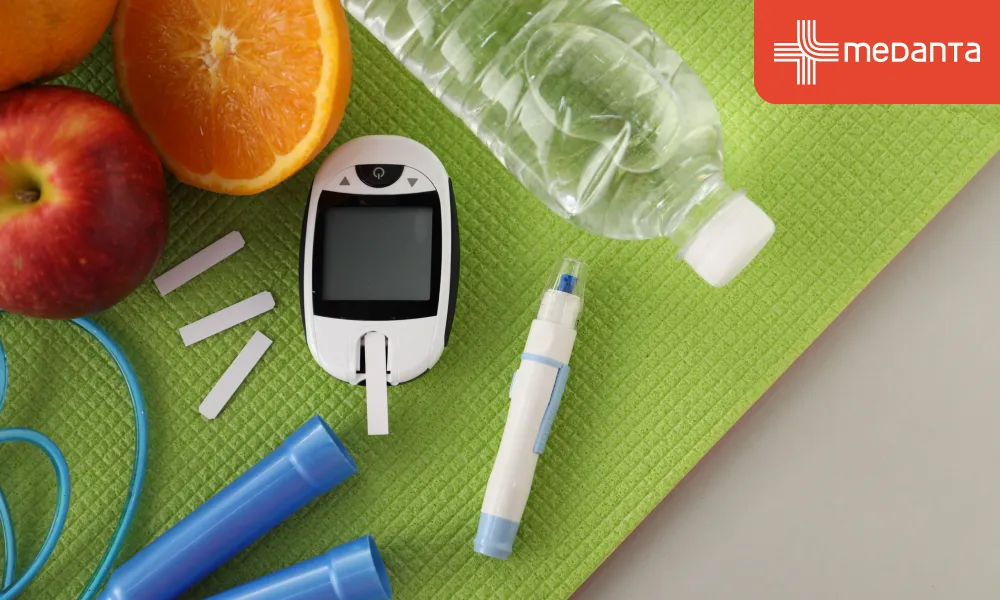
The Diabetes Prevention Program demonstrated that a 7% reduction in body weight combined with 150 minutes of moderate intensity physical activity per week reduced the progression from prediabetes to type 2 diabetes by half.
Replacing two servings of white rice with millets (ragi, jowar, bajra), cutting added sugar in chai and walking 7,000 to 10,000 steps daily are changes achievable without gym membership or supplement spending.
Sleep is an underappreciated lever. Adults consistently sleeping fewer than six hours per night have significantly higher rates of insulin resistance, hypertension and weight gain.
Tobacco cessation in any form, including bidi, gutka, khaini, and betel quid produces cardiovascular risk reduction within weeks of quitting.
Obesity - Cause, Consequence & Treatment
Obesity is simultaneously a lifestyle disease and a cause of others. In India, waist circumference above 90 cm in men and above 80 cm in women signals central obesity associated with increased cardiometabolic risk, even at normal BMI. Causes are multifactorial including but not limited to genetic predisposition, sedentary occupation, caloric surplus, hormonal factors (hypothyroidism, PCOS, Cushing's syndrome), medication side effects (corticosteroids, antipsychotics, insulin) and psychological drivers including stress eating.
Lifestyle modification (dietary caloric deficit of 500 to 750 kcal/day combined with aerobic exercise) is first line for most. Where lifestyle modification is insufficient, pharmacotherapy with orlistat or GLP-1 receptor agonists is appropriate. Bariatric surgery is considered for BMI above 37.5 or above 32.5 with serious comorbidities.
Nutrition Basics for Prevention
No single food prevents lifestyle disease; the pattern matters more than any individual component. Evidence favours a dietary pattern high in vegetables, legumes (dal, rajma, chana), whole grains (millets, unpolished rice, whole wheat) and fruit with limited ultra-processed food, added sugar and saturated fat.
Practical adjustments include: replacing maida with whole wheat or millet flours; reducing cooking oil to one to two teaspoons per meal; increasing sabzi and salad portions; choosing curd over sweetened packaged dairy; and limiting pickles and papads, which are high in sodium. The ICMR recommends limiting dietary sodium to below 5 grams per day.
Checkups That Matter - Full Body vs. Preventive vs. Targeted Screening
A full body health checkup is a broad panel which includes CBC, liver and kidney function, thyroid, lipid panel, fasting glucose, HbA1c, urine analysis, ECG and chest X-ray regardless of symptoms or risk factors.
A preventive health checkup selects tests based on age, sex, and risk profile; for example, HbA1c and lipid panel for a 40-year-old with a family history of diabetes, or mammography and PAP smear for a 45 year old woman.
A targeted screening investigates a specific concern like fasting insulin and HOMA-IR for suspected insulin resistance or an echocardiogram for exertional breathlessness. The appropriate choice depends on individual risk and clinical significance.
Treatment Options Once Diagnosed
A lifestyle disease diagnosis does not immediately mandate pharmacotherapy. For newly diagnosed type 2 diabetes with HbA1c below 8%, a three month structured lifestyle intervention before initiating medication is supported by guidelines. For stage 1 hypertension without cardiovascular risk, lifestyle modification is recommended first.
When medication is required, the approach is individualised: metformin remains first-line for type 2 diabetes; ACE inhibitors or ARBs are preferred for hypertension with diabetes or kidney disease; statins are indicated where cardiovascular risk exceeds defined thresholds. HbA1c above 9%, blood pressure above 160/100 mmHg or target organ damage generally require combination therapy.
FAQs
What are lifestyle diseases and why are they increasing?
Lifestyle diseases are chronic conditions including type 2 diabetes, hypertension, coronary artery disease, obesity and COPD whose onset is substantially driven by diet, physical inactivity, tobacco, alcohol, and stress. They are rising in India due to rapid urbanisation, sedentary occupations, ultra-processed food availability, and widespread tobacco use. India's genetic predisposition to insulin resistance at lower BMI thresholds accelerates metabolic disease relative to European populations.
Can lifestyle changes alone prevent or reverse lifestyle diseases?
Yes, in many cases particularly when caught early. The Diabetes Prevention Program demonstrated that lifestyle intervention reduced progression from prediabetes to diabetes by a lot. Early-stage hypertension and fatty liver disease frequently normalise with sustained weight loss and dietary modification. Type 2 diabetes remission (HbA1c below 6.5% without medication) is achievable with significant weight loss in people with shorter disease duration.
What are the early symptoms of lifestyle diseases people often ignore?
Persistent fatigue, increased thirst, frequent urination, tingling in the hands and feet, abdominal weight gain, morning headaches, and breathlessness on mild exertion are commonly dismissed. Each can be attributed to stress or ageing which is precisely why they go unaddressed. Any combination warrants at minimum a fasting glucose, a blood pressure measurement, and a lipid panel.
What's the difference between a full body health checkup and a preventive health checkup?
A full body checkup is a broad fixed panel regardless of individual risk. A preventive health checkup selects tests based on age, sex, family history, and risk profile, making it more clinically targeted and cost-effective. For most people, a risk-stratified preventive checkup offers more actionable information than a comprehensive package.
How is obesity treated, and does treatment differ by cause?
Treatment is matched to cause. A dietary caloric deficit combined with aerobic exercise is first-line for most. Where hormonal causes are identified (hypothyroidism, PCOS, Cushing's syndrome), treating the underlying condition is necessary first. Pharmacotherapy is appropriate where lifestyle modification is insufficient. Bariatric surgery is considered for BMI above 37.5, or above 32.5 with serious comorbidities.
What does a diabetes risk assessment involve?
A standard diabetes risk assessment includes fasting blood glucose, 75g oral glucose tolerance test (OGTT), and HbA1c. Fasting insulin and HOMA-IR are added where insulin resistance is suspected. A waist circumference measurement, blood pressure, and lipid panel complete the cardiometabolic picture. Family history, gestational diabetes, and PCOS are important clinical risk factors. Annual screening is recommended for all adults over 45 and for anyone over 35 with a first-degree relative with diabetes.
What is included in a heart health screening?
A heart health screening typically includes: fasting lipid panel (total cholesterol, LDL, HDL, triglycerides), fasting glucose and HbA1c, blood pressure, resting ECG and waist circumference. High-sensitivity CRP may be added for inflammatory cardiovascular risk. An echocardiogram and exercise stress test are ordered where symptoms (exertional chest pain, breathlessness or palpitations) are present.
What nutrition habits help prevent chronic disease?
The pattern matters more than any single food. A diet high in vegetables, legumes (dal, rajma, chana), whole grains (ragi, jowar, bajra, unpolished rice), and fruit with limited ultra-processed food, added sugar and saturated fat consistently reduces chronic disease risk.
How often should I get a preventive health checkup if I have no symptoms?
Annual checkups are recommended for adults over 40 and for younger adults with risk factors such as family history of diabetes or hypertension. Adults between 20 and 40 with no risk factors can generally be screened every two to three years for blood pressure, fasting glucose, lipid panel, and BMI. This frequency should increase if any result is borderline or if new risk factors emerge.
What treatment options exist once a lifestyle disease has been diagnosed?
Not every diagnosis requires immediate medication. For newly diagnosed type 2 diabetes with HbA1c below 8%, or stage 1 hypertension without cardiovascular risk, a three-month lifestyle intervention before pharmacotherapy is supported by guidelines. When medication is required, it is individualised like metformin for type 2 diabetes, ACE inhibitors or ARBs for hypertension with diabetes or kidney disease, statins where cardiovascular risk exceeds defined thresholds.
References
1. Knowler WC, Barrett-Connor E, Fowler SE, et al. Reduction in the incidence of type 2 diabetes with lifestyle intervention or metformin. N Engl J Med. 2002;346(6):393–403. https://doi.org/10.1056/NEJMoa012512
2. Mohan V, Sandeep S, Deepa R, Shah B, Varghese C. Epidemiology of type 2 diabetes: Indian scenario. Indian J Med Res. 2007;125(3):217–30. https://www.ncbi.nlm.nih.gov/pubmed/17496353
3. International Institute for Population Sciences. National Family Health Survey (NFHS-5), 2019-21: India. IIPS. 2021. https://dhsprogram.com/pubs/pdf/FR374/FR374.pdf
4. World Health Organization. Global status report on noncommunicable diseases 2022. WHO. 2023. https://www.who.int/publications/i/item/9789240082229
5. Misra A, Chowbey P, Makkar BM, et al. Consensus statement for diagnosis of obesity, abdominal obesity and the metabolic syndrome for Asian Indians. J Assoc Physicians India. 2009;57:163–70. https://www.ncbi.nlm.nih.gov/pubmed/19582986