1068
1068
 Request Call Back
 Contact
 1068
1068
Dry Mouth (Xerostomia): Causes, Symptoms & Treatment
Published on: Sep 24, 2026
TABLE OF CONTENTS
Dry mouth known medically as xerostomia is the subjective sensation of dryness in the mouth caused by reduced or absent saliva production. Saliva is not merely a comfort fluid. It is essential for digestion, speech, taste, swallowing and the protection of teeth and oral mucosa from bacterial infection, tooth decay and fungal overgrowth.
Temporary dry mouth from anxiety or mild dehydration is normal and self-resolving. Persistent dry mouth indicates an underlying problem with saliva production or quality. Persistent xerostomia is highly prevalent among older adults, those taking multiple medications and tobacco users. It has real clinical consequences: significantly higher rates of dental caries, difficulty eating & speaking and higher rates of oral candidiasis.
Causes of Dry Mouth
Common causes are:
Medications: The most common cause of persistent dry mouth in adults. More than 400 medications list dry mouth as a side effect, including antihistamines, antidepressants, antihypertensives, antipsychotics, diuretics and bladder medications. The more medications a person takes, the more likely they are to experience significant dry mouth.
Dehydration: Inadequate fluid intake, heavy sweating, fever, vomiting and diarrhoea reduce the body's fluid reserves and saliva production.
Sjögren's syndrome: An autoimmune condition in which the immune system attacks the salivary glands and lacrimal (tear) glands, causing severe and progressive dry mouth and dry eyes. It predominantly affects middle aged women and may occur with rheumatoid arthritis or lupus.
Radiotherapy to the head and neck: Radiation damage to the major salivary glands causes severe, often permanent xerostomia in people treated for oral cancers and other head and neck malignancies.
Diabetes mellitus: Both type 1 and type 2 diabetes are associated with dry mouth through reduced salivary gland function, increased urinary fluid loss and autonomic neuropathy. India has the second highest global burden of diabetes, making this a particularly common cause.
Mouth breathing: Chronic mouth breathing from nasal congestion, nasal polyps, a deviated nasal septum or obstructive sleep apnoea causes rapid evaporation of oral moisture. It is a common cause of morning and nocturnal dry mouth.
Tobacco and alcohol use: Tobacco in all forms (bidi, cigarette, khaini, gutka, paan masala) reduces saliva flow and damages the salivary gland epithelium. Alcohol causes dehydration and has a direct astringent effect on oral mucosa.
Ageing: Saliva production does not necessarily decline with age in the absence of disease or medication, but the accumulation of medications and systemic diseases means xerostomia is significantly more prevalent in older adults. Adults above 60 on five or more medications are at particularly high risk.
Symptoms of Dry Mouth
A persistent feeling of dryness or stickiness in the mouth that is not relieved by drinking water is a common symptom. Other symptoms can be:
Difficulty chewing, swallowing or speaking: Saliva is essential for food bolus formation and lubrication during swallowing. Therefore dry mouth makes eating dry or crumbly foods (roti, bread or biscuits) uncomfortable.
Altered taste: Reduced saliva causes a metallic & bitter or flat taste and familiar foods may taste different.
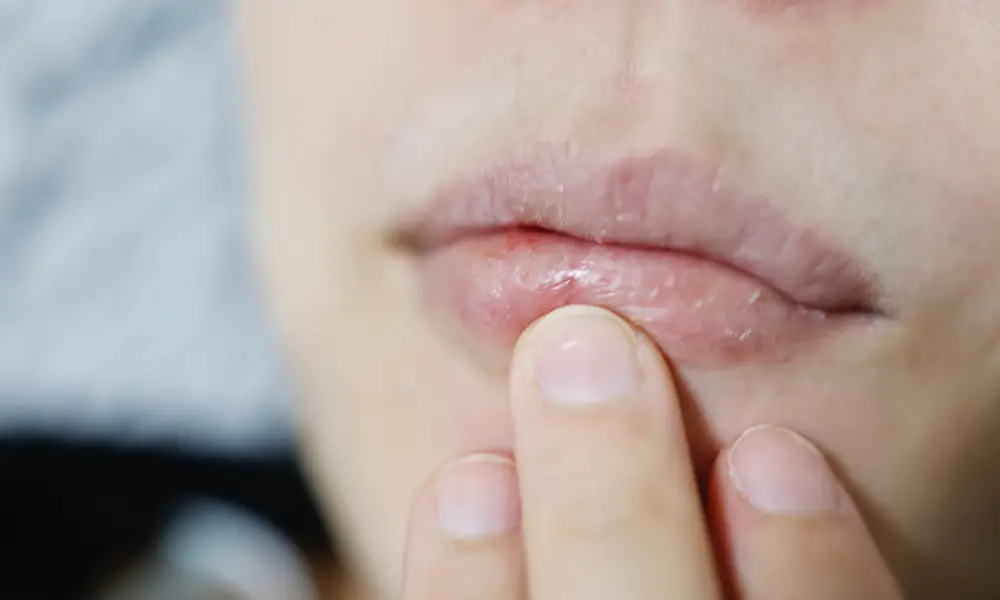
Cracked or dry lips and tongue: The tongue may appear dry, red or fissured. The lips may crack at the corners (angular cheilitis) often associated with secondary Candida infection.
Bad breath (halitosis): Reduced saliva allows bacteria to proliferate producing volatile sulphur compounds that cause persistent bad breath.
Burning or tingling sensation in the mouth or tongue which is more common in post menopausal women with xerostomia.
Increased dental caries: Persistent dry mouth dramatically increases tooth decay, particularly at the gumline and on root surfaces and rapid onset widespread dental caries.
Oral candidiasis: White coating or red raw patches on the tongue, palate or inner cheeks caused by Candida yeast overgrowth when saliva is inadequate. Occurs particularly in patients on immunosuppressants, after radiotherapy or with poorly controlled diabetes
Difficulty wearing dentures: Dry mouth causes dentures to fit poorly, slip and irritate the oral mucosa.
Why Does My Mouth Get Dry?
Saliva is produced by three pairs of major salivary glands (parotid, submandibular & sublingual) and hundreds of minor salivary glands throughout the oral mucosa. Together they produce approximately one to one and a half litres per day in a healthy adult. Saliva production is controlled by the autonomic nervous system: the parasympathetic system stimulates production, while the sympathetic system (activated during stress and anxiety) suppresses it.
Saliva production is highest during eating and lowest at night. This is why everyone experiences slight dry mouth on waking, and why nocturnal dry mouth is particularly common in people with reduced saliva production capacity.
Treatment Options
Address the underlying cause: If a medication is responsible, a doctor may switch to a lower anticholinergic alternative or adjust dosing timing. If poorly controlled diabetes is contributing improving glycaemic control reduces xerostomia severity. Tobacco cessation significantly improves saliva flow over time.
Saliva stimulants (sialogogues): Sugar-free chewing gum (ideally containing xylitol which also has anti-cavity properties) and sugar-free boiled sweets stimulate saliva flow through chewing and taste.
Saliva substitutes and oral lubricants: For people with severely impaired salivary gland function, carboxymethyl cellulose based sprays and gels provide temporary relief. Sipping cold water frequently and keeping a water bottle at the bedside at night are the most practical alternatives when commercial products are unavailable.
Prescription medications (for severe xerostomia): Pilocarpine (a muscarinic agonist that stimulates salivary gland secretion) is the primary prescription medication for severe xerostomia, most commonly used in Sjögren's syndrome and post radiotherapy xerostomia.
Fluoride therapy: People with dry mouth require a high fluoride toothpaste combined with fluoride mouth rinse or professionally applied fluoride varnish every three to four months.
Treatment of oral candidiasis: If oral candidiasis develops antifungal treatment with nystatin suspension or fluconazole tablets is required. Recurrence is common if the underlying xerostomia is not controlled.
Home Remedies
Increase fluid intake: Sip water regularly throughout the day. Aim for at least eight to ten glasses daily (more in hot Indian summer months). Avoid caffeinated drinks (chai, coffee, cold drinks) and alcohol, which worsen dehydration.
Chew sugar-free gum or suck sugar-free hard candy: The chewing motion and taste stimulate saliva production. Use only sugar-free preparations. Gum or sweets containing xylitol provide additional protection against tooth decay.
Breathe through the nose rather than the mouth: Address nasal congestion with saline nasal rinses (prepared with clean water and salt, or purchased as commercial saline sprays) or consult an ENT specialist if nasal obstruction is structural.
Apply coconut oil or sesame oil (til ka tel): Oil pulling (swishing a tablespoon of oil in the mouth for five to ten minutes) is a traditional Ayurvedic practice with some scientific support for lubricating dry oral mucosa. It provides temporary symptomatic comfort.
Avoid tobacco, alcohol and paan masala: All worsen xerostomia directly. Stopping tobacco use reduces dry mouth and substantially reduces the risk of oral cancer and dental caries.
Choose moist, soft foods: Add sauces, curd or dal to dry foods to ease chewing and swallowing. Avoid very dry foods such as plain bread, biscuits or namkeen without accompanying fluids.
When to See a Doctor
Contact a doctor if you experience any of these symptoms.
Dry mouth persisting for more than two to three weeks without an obvious cause such as dehydration or acute illness
Dry mouth accompanied by dry eyes, joint pain or fatigue which may suggest Sjögren's syndrome or another autoimmune condition
Rapid onset of multiple new dental cavities in an adult who previously had good dental health, strongly suggesting significant xerostomia
White patches, red raw areas or a burning sensation in the mouth suggesting oral candidiasis complicating dry mouth
Dry mouth in a person with known diabetes that is not well controlled, indicating the need for glycaemic review along with oral management.
Dry mouth after head and neck radiotherapy, which requires specialist management including prescription pilocarpine and intensive dental fluoride therapy.
FAQs
What causes dry mouth?
The most common causes are medications (antihistamines, antidepressants, antihypertensives), dehydration, diabetes, tobacco use, mouth breathing, Sjögren's syndrome and head and neck radiotherapy. Medications are the most frequent single cause in adults.
Why does my mouth feel dry all the time?
Persistent dry mouth usually indicates reduced saliva production from medication side effects, an underlying systemic condition (diabetes, Sjögren's syndrome), chronic mouth breathing or tobacco use. It does not resolve without treating the underlying cause.
What are the symptoms of dry mouth?
Persistent oral dryness, difficulty chewing and swallowing, altered taste, frequent thirst, bad breath, cracked lips and tongue, increased dental cavities, burning mouth sensation, oral candidiasis and difficulty wearing dentures are the main symptoms.
How is dry mouth treated?
Treatment involves addressing the underlying cause (changing medication, controlling diabetes, stopping tobacco), using saliva stimulants (sugar-free gum, xylitol products), artificial saliva gels, increasing fluid intake and using high-fluoride toothpaste to protect teeth.
Is dry mouth a sign of a serious condition?
Persistent dry mouth may indicate Sjögren's syndrome, poorly controlled diabetes, nerve damage or cancer treatment complications. Dry mouth with dry eyes, joint pain, rapid new dental decay, or difficulty swallowing warrants prompt medical assessment.
Can dehydration cause dry mouth?
Dehydration is a common and reversible cause. Adequate hydration (eight to ten glasses daily, more during India's hot summer months) resolves dehydration-related dry mouth. If dry mouth persists, another cause should be investigated.
Does dry mouth go away on its own?
Transient dry mouth from anxiety, mild dehydration or acute illness resolves once the trigger resolves. Persistent dry mouth from medication side effects, Sjögren's syndrome, radiotherapy or chronic disease requires treatment of the underlying cause.
References
1. Sreebny LM, Schwartz SS. A reference guide to drugs and dry mouth. Gerodontology. 1997;14(1):33–47. https://doi.org/10.1111/j.1741-2358.1997.00033.x
2. Vivino FB, Carsons SE, Foulks G, et al. New treatment guidelines for Sjögren's disease. Rheum Dis Clin North Am. 2016;42(3):531–51. https://doi.org/10.1016/j.rdc.2016.03.010
3. Jensen SB, Pedersen AM, Vissink A, et al. A systematic review of salivary gland hypofunction and xerostomia induced by cancer therapies. Support Care Cancer. 2010;18(8):1061–79. https://doi.org/10.1007/s00520-010-0827-8
4. Gupta A, Epstein JB, Sroussi H. Hyposalivation in elderly patients. J Can Dent Assoc. 2006;72(9):841–6. https://pubmed.ncbi.nlm.nih.gov/17187706/
5. Mohan A, Reddy MP, Kar A, Goyal A. Prevalence of dry mouth in patients with type 2 diabetes mellitus: a cross-sectional study. Indian J Dent Res. 2019;30(2):237–41. https://doi.org/10.4103/ijdr.IJDR_491_17